


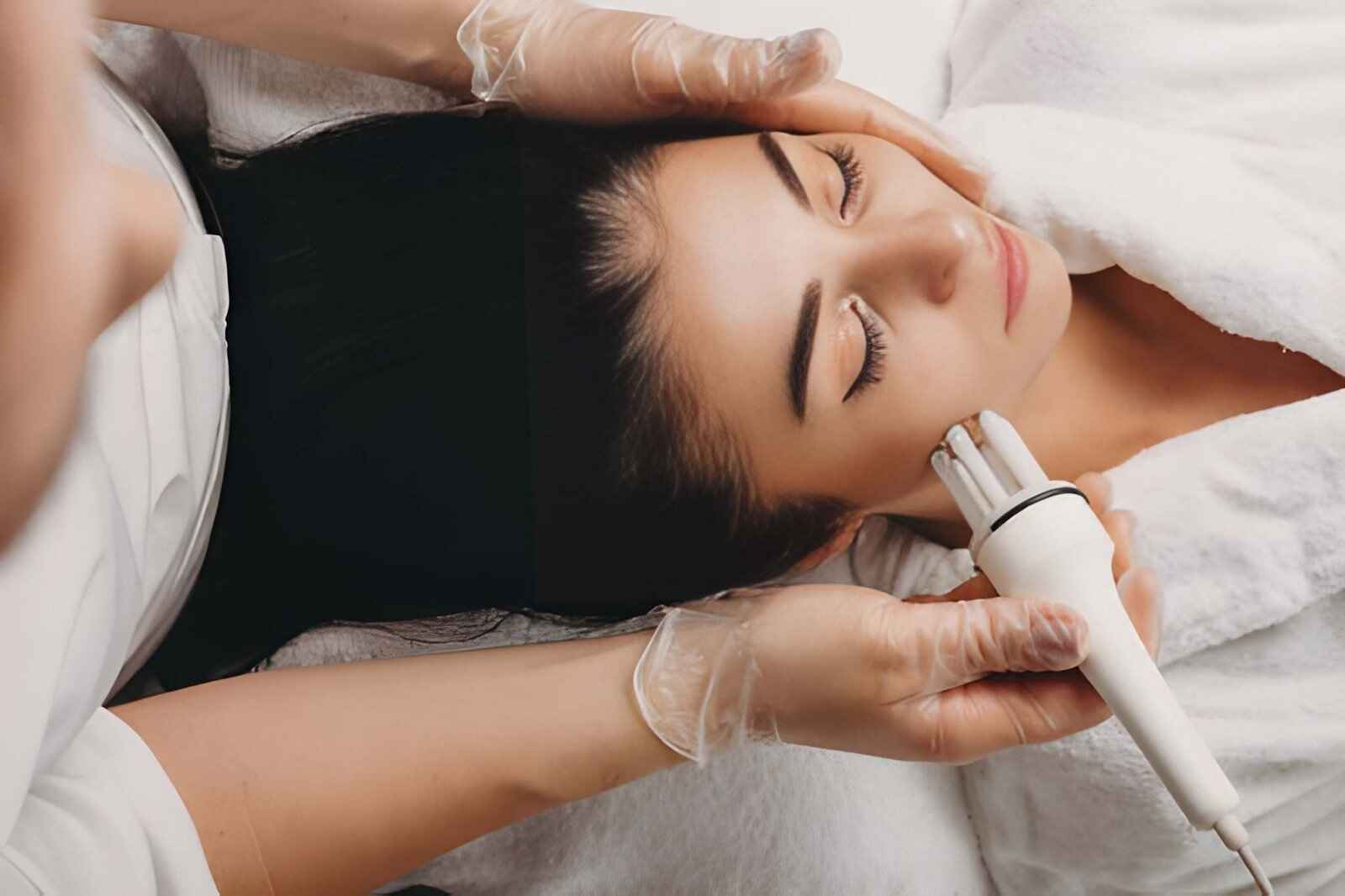

“Laser” is not one treatment. It is a family of devices that use different wavelengths and energy levels, and each is suited to a different skin concern. Choosing the wrong one wastes money at best and causes pigmentation or burns at worst. This guide explains the distinctions that matter, with examples, so you can ask better questions at Elora Dental and Aesthetics in Johar Town.
The Basic Idea: Light Targeting a Specific Target
A laser works by delivering light that a particular target in the skin absorbs, such as melanin (pigment), haemoglobin (blood vessels), water, or hair pigment. The absorbed energy becomes heat, which either destroys the target or triggers the skin to repair itself. This is why one device cannot treat everything: a laser built to break up pigment is not the right tool for acne scars.
Matching the Concern to the Laser Type
| Concern | Laser category | How it works |
| Unwanted hair | Diode or Alexandrite (hair removal) | Heat is absorbed by pigment in the hair follicle, damaging its growth |
| Sun spots, freckles, tattoos | Q-switched or picosecond | Short pulses shatter pigment particles |
| Acne scars, enlarged pores, texture | Fractional (ablative or non-ablative) | Creates tiny columns of controlled injury that trigger collagen repair |
| Redness, thread veins | Vascular (such as pulsed dye or Nd:YAG) | Targets blood in small vessels |
| General dullness, mild tone issues | Low-energy toning | Gentle, repeated pulses |
Knowing the category helps you spot an overpromise. A clinic that says one machine will remove hair, scars, melasma, and wrinkles in the same session should be questioned.
Laser Hair Removal: Specific Details That Matter
Hair grows in cycles, and a laser only affects hairs in the active growth phase. That is why treatment is split into a series, commonly six to eight sessions spaced four to eight weeks apart, rather than a single visit.
Two distinctions are worth knowing:
- Skin tone and device choice: Lasers target pigment, so the contrast between hair and skin matters. For darker Skin Laser Treatment in Johar Town, Lahore, which is common in Pakistan, devices such as Nd: YAG or properly set diode lasers are generally safer because they bypass much of the surface melanin. Using a setting designed for pale skin on darker skin risks burns and patchy pigment.
- Hair colour: Dark, coarse hair responds best. Grey, white, or very fine light hair responds poorly because there is little pigment to absorb the light.
Expect “reduction”, meaning noticeably fewer and finer hairs, rather than guaranteed permanent absence. Hormonal conditions can cause regrowth.
Pigmentation and Melasma: A Careful Distinction
Not all dark patches are the same. Sun spots (solar lentigines) are well-defined and generally respond well to pigment lasers. Melasma is a deeper, hormone-linked pigment that tends to appear as symmetrical patches on the cheeks and forehead. It can worsen with heat and aggressive treatment. Melasma is usually managed with low-energy toning, sun protection, and topical treatments rather than strong lasers. A good clinician identifies which type you have before treating. Starting with a patch test is a sensible sign of caution.
Acne Scars: Setting Realistic Expectations
Scars differ in depth and shape. Rolling scars, boxcar scars, and ice-pick scars respond differently, and often a combination of methods is used. Fractional laser improves texture gradually over a course of three to five sessions. Improvement is commonly described as a percentage reduction in visibility, not complete removal. Active acne usually needs to be controlled first, because treating over active inflammation can worsen marks.
Downtime: A Comparison
- Non-ablative fractional or toning: Mild redness for hours to a day or two, little visible downtime.
- Ablative fractional (such as CO2): Stronger resurfacing with several days of redness, swelling, and peeling, and sometimes up to a week or more before skin looks settled.
- Hair removal: Slight redness and small bumps around follicles that settle within a day.
Ask for the expected downtime in advance if you have a wedding or event scheduled.
Before and After Care That Protects Results
Sun exposure is the biggest risk, especially in Lahore’s summer. Treated skin is more vulnerable, so broad-spectrum sunscreen is essential. Avoid tanning, waxing, or threading in the treated area before hair removal sessions, as plucking removes the hair root the laser needs. Tell the clinician about medications such as isotretinoin, any history of cold sores, and recent sun exposure.
Choosing a Safe Clinic
Look for a consultation before treatment, a patch test on a small area, clear explanation of the device and number of sessions, and a clinician who documents your skin type. A responsible practice says no when a treatment is unsuitable.
Plan Your Treatment Before the End of 2027
Laser results depend on matching the right device to your skin type and concern, and then following a proper course with sun protection. Because most treatments need several sessions spaced weeks apart, starting early gives you time to finish comfortably before the end of 2027. Book a consultation at Elora Dental and Aesthetics in Johar Town, ask for a skin assessment and patch test, and request a written plan listing the number of sessions, expected downtime, and total cost before you begin.
Frequently Asked Questions
How many sessions of laser hair removal will I need?
Most people need six to eight sessions spaced four to eight weeks apart, because hairs grow in cycles and only active hairs respond. Hormonal conditions or fine hair can increase the number. Occasional maintenance visits may be needed later.
What is the difference between laser hair removal and IPL?
Laser uses a single focused wavelength, while IPL uses broad-spectrum light. Lasers are generally more precise and often more effective on stubborn hair, and they come in versions safer for darker skin. IPL is gentler but less targeted.
Why is a patch test important before laser treatment?
A patch test shows how your skin reacts before the whole area is treated. It helps the clinician choose safe settings, particularly for darker skin tones and for conditions like melasma, where aggressive treatment can worsen pigmentation.
How long do results from laser skin treatment last?
It depends on the goal. Hair reduction can last a long time but may need maintenance. Acne scar improvement is lasting because new collagen forms, though new damage or sun exposure can affect it. Pigment can return if sun protection is neglected.
What should I avoid after laser treatment?
Avoid direct sun, hot saunas, heavy exercise, scrubs, and strong exfoliating products for a few days or as advised. Keep skin moisturised and use sunscreen daily. Do not pick at peeling or scabs.