


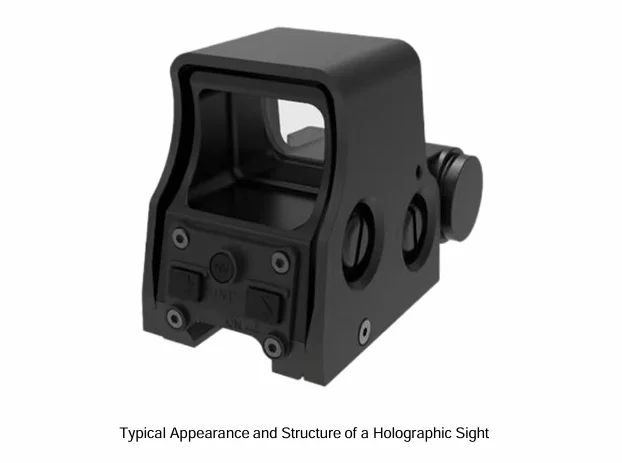

Optical technology continues to advance across specialized viewing systems, with manufacturers focusing on image presentation, component reliability, and compact optical integration. A Holographic sight is a type of optical viewing device that uses holographic technology to present a reticle within a viewing window. Its design combines optical elements and an illumination system to create a visible reference, making it distinct from conventional magnifying optics and standard reflex sights.
Understanding Holographic Sight Technology
A holographic sight uses a holographic optical element to present a reticle to the viewer. Rather than relying solely on a conventional reflective reticle arrangement, the system uses recorded holographic information as part of its optical design. The viewing window and illumination source work together to make the reticle visible under appropriate operating conditions.
The resulting design depends on carefully coordinated optical and electronic components. Their alignment, material properties, and manufacturing quality influence the performance of the complete assembly. Understanding these principles helps buyers and engineers evaluate the technology and distinguish it from other optical viewing systems.
The Importance of Optical Component Quality
Optical components must meet specific requirements to support consistent viewing performance. Transmission, surface quality, coating characteristics, and dimensional accuracy can all affect the way light travels through an optical assembly.
Unwanted reflections can reduce contrast, while imperfections in optical surfaces may affect the clarity of the displayed reticle. Appropriate coatings and carefully controlled manufacturing processes can help manage these factors when selected for the intended design.
Mechanical stability is also important. Optical elements need to remain correctly positioned within the housing during the operating conditions for which the product is designed. Suitable materials, secure assembly, and quality inspection contribute to dependable product performance.
How Holographic Sights Differ from Other Optical Systems
Different sighting technologies use different methods to present visual references. Traditional telescopic sights use lenses to provide magnification, while reflex sights generally use a reflective surface to present an illuminated reticle. Holographic sights instead incorporate a holographic optical element into the image presentation process.
Each approach involves different design considerations. Size, weight, viewing characteristics, optical efficiency, and environmental requirements can influence the choice of technology. No single architecture is automatically best for every application; the appropriate option depends on the product’s intended purpose and verified specifications.
Understanding these differences is useful for manufacturers, optical component suppliers, and technical buyers researching specialized optical assemblies.
Material Selection and Manufacturing Considerations
Material selection affects the optical and mechanical characteristics of a finished component. Depending on the design, manufacturers may evaluate glass properties, optical transmission, surface finish, coating compatibility, and resistance to environmental exposure.
Dimensional consistency is another important factor. Optical elements must fit the intended assembly and meet the required tolerances. Variations can complicate integration and influence how the components interact within the complete system.
Quality assurance procedures help confirm that parts meet established specifications. Reviewing technical documentation and manufacturing requirements can therefore support a more reliable purchasing and product development process.
Exploring Specialized Optical Solutions
As optical systems become increasingly specialized, access to suitable components and clear product information helps manufacturers evaluate available technologies. Technical buyers often need to compare dimensions, material properties, optical characteristics, and integration requirements before choosing a component.
ARV Optical provides product information for customers exploring specialized optical products. Its holographic sight product page offers a starting point for reviewing the relevant product category and identifying specifications that may require further confirmation.
When assessing a product, buyers should consult the available documentation rather than assume that all holographic sight designs share the same performance characteristics. Confirming application requirements with the supplier can help determine whether a component is appropriate for the intended project.
Making Informed Decisions About Optical Technology
Choosing an optical component involves evaluating its intended function, optical properties, construction, and compatibility with the larger system. A careful review of these factors helps technical teams compare products against defined requirements and avoid relying on general descriptions alone.
For customers researching specialized viewing systems, exploring a suitable Holographic sight can provide a useful starting point for understanding available optical solutions. By reviewing product specifications and confirming relevant technical details, buyers can make better-informed decisions about optical component selection and integration.