


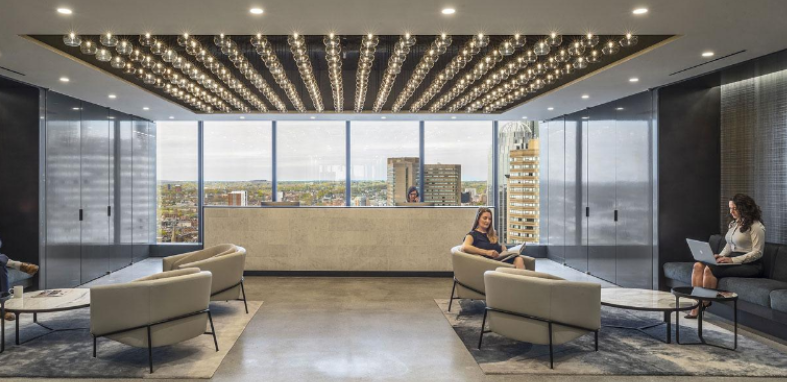

Lighting plays a fundamental role in how people experience a commercial environment. It affects visibility, atmosphere, comfort, productivity, and even the way architectural details are perceived. Unlike residential lighting, business environments often need to accommodate different activities within the same property, from customer interactions and product displays to administrative work and collaborative meetings. Well-planned commercial interior lighting can help businesses create spaces that are practical, visually comfortable, and aligned with their brand identity while supporting the specific requirements of employees and visitors.
Modern businesses are increasingly looking beyond basic illumination when planning their interiors. Retail stores need lighting that presents merchandise effectively, offices require comfortable illumination for extended periods of work, hospitality environments often depend on carefully controlled ambience, and professional facilities may require precise lighting for safety and operational tasks. Effective commercial interior lighting considers the purpose of each area, the available natural light, ceiling height, room dimensions, energy consumption, maintenance requirements, and the visual experience the business wants to create.
Understanding the Importance of Interior Lighting in Commercial Spaces
The right lighting system can influence both functionality and perception. A poorly illuminated workspace may create visual discomfort, shadows, glare, or areas where important information is difficult to see. On the other hand, excessive brightness can be equally problematic when it produces reflections or an uncomfortable atmosphere. Commercial interiors typically benefit from a layered approach in which general illumination provides overall visibility, task lighting supports specific activities, and accent lighting draws attention to selected architectural or visual features. This approach allows businesses to control the atmosphere of different areas without relying on one lighting source for every purpose. When lighting is considered during the broader interior planning process, it can work alongside furniture, finishes, signage, displays, and architectural elements to create a more cohesive environment.
Choosing Lighting According to the Purpose of Each Area
Different areas within a commercial property require different lighting priorities. Reception spaces may benefit from welcoming illumination that complements the company’s visual identity, while workstations generally need consistent light that supports reading, writing, computer use, and other detailed tasks. Retail environments often use accent lighting to highlight products or create visual focal points, whereas restaurants may use warmer and more controlled illumination to establish a comfortable dining atmosphere. Storage areas, corridors, meeting rooms, washrooms, and service spaces have their own practical requirements as well. Instead of installing identical fixtures throughout an entire building, businesses can achieve better results by evaluating what people actually do in each space. This functional approach can improve comfort and ensure that lighting resources are being used where they provide the greatest benefit.
Balancing Natural and Artificial Light
Natural daylight can contribute significantly to the quality of a commercial interior, but it changes throughout the day and may not provide consistent illumination. Artificial lighting therefore needs to complement available daylight rather than simply replace it. Large windows, skylights, and glass partitions can introduce useful natural light, but they may also create glare, reflections, or uneven brightness depending on the position of the sun. Window orientation and seasonal changes should be considered when designing the lighting arrangement. In areas with strong daylight exposure, controls that allow artificial lighting to be adjusted can help maintain a more balanced environment. Thoughtful integration of natural and artificial sources can create interiors that feel more comfortable while potentially reducing unnecessary energy use during periods when daylight is sufficient.
Selecting Fixtures, Colour Temperature, and Light Quality
Fixture selection involves more than choosing a style that matches the interior. The size, beam angle, mounting method, brightness, colour rendering, and colour temperature of a fixture can all influence the final result. Cooler light may be appropriate for some task-oriented environments where a crisp appearance is preferred, while warmer tones can create a more relaxed atmosphere in hospitality or customer-facing areas. Colour rendering is particularly important in environments where accurate perception of products, materials, finishes, or branding elements matters. Fixtures should also be selected according to ceiling height and room proportions. A lighting system that works well in a low-ceiling office may not provide the same results in a high-ceiling showroom. Careful specification helps ensure that the selected fixtures perform effectively rather than simply looking attractive in a catalogue.
Improving Employee Comfort and Workplace Performance
Lighting has a direct relationship with the physical experience of employees who spend many hours inside commercial spaces. Glare on computer screens, harsh contrasts, flickering sources, and poorly distributed illumination can make a workspace less comfortable. Businesses can address these issues by considering fixture positioning, light distribution, reflective surfaces, workstation layouts, and controllability during the planning process. Adjustable lighting can be especially useful in multipurpose environments where different activities take place throughout the day. Meeting rooms, private offices, open work areas, and collaborative spaces may all require different levels or configurations. Creating a visually comfortable workplace does not mean making every area equally bright; it means providing suitable illumination for the tasks being performed and allowing the environment to remain adaptable as needs change.
Using Lighting to Strengthen Commercial Branding
Lighting can become an important component of a company’s visual identity. Accent illumination can emphasize architectural features, display areas, reception desks, branded walls, artwork, product arrangements, and distinctive interior details. In retail settings, carefully directed light can help products stand out without overwhelming the rest of the environment. In offices, lighting can highlight company logos or architectural elements while maintaining a professional appearance. Hospitality businesses can use controlled illumination to establish a recognizable atmosphere that supports their broader design concept. The strongest results usually come from integrating lighting with the overall interior rather than treating it as a separate technical element. When colour, intensity, direction, and fixture design are coordinated with the surrounding space, lighting can reinforce the character of the business without becoming visually distracting.
Energy Efficiency and Long-Term Maintenance
Operating costs are an important consideration for businesses that use lighting for many hours each day. Energy-efficient fixtures can reduce electricity consumption, while controls such as occupancy sensors, timers, dimming systems, and daylight-responsive adjustments can help prevent lighting from operating unnecessarily. However, energy efficiency should be evaluated alongside performance and maintenance requirements. A fixture that consumes less electricity but is difficult to access or service may create practical challenges over its lifetime. Businesses should also consider the expected operating hours, replacement requirements, accessibility of fixtures, and the availability of compatible components. A well-designed lighting system balances energy use, performance, durability, and ease of maintenance. Planning for these factors at the beginning can help reduce operational complications later.
Creating Flexible Lighting for Changing Business Needs
Commercial spaces rarely remain completely static. Businesses may rearrange furniture, introduce new products, change work patterns, renovate departments, or repurpose rooms over time. A rigid lighting arrangement can become less effective when the interior changes. Flexible systems provide businesses with greater control by allowing individual areas or lighting groups to be adjusted according to changing requirements. Track systems, dimmable fixtures, movable accent lighting, and independently controlled zones can be useful where layouts are expected to evolve. Smart controls can provide additional flexibility when they are appropriate for the size and complexity of the property. The goal should not be to add technology simply because it is available, but to select controllability that solves a genuine operational need and remains manageable for staff.
Planning a Professional Lighting Installation
A successful lighting project requires coordination between design, electrical planning, fixture selection, installation, and the physical characteristics of the building. Ceiling construction, wiring routes, mounting locations, existing electrical systems, accessibility, and local requirements can all affect the final installation. Businesses undertaking renovations should assess existing lighting before replacing everything, as some fixtures, controls, or electrical infrastructure may be suitable for integration or upgrading. New construction provides greater flexibility, but lighting should still be coordinated with HVAC systems, ceiling layouts, architectural features, furniture, and other building services. Professional planning can identify potential conflicts before installation begins and help ensure that the finished system provides appropriate illumination without unnecessary complexity.
Conclusion
Effective lighting is an essential part of a successful commercial interior because it supports visibility, comfort, branding, productivity, customer experience, and operational efficiency. The best lighting strategy begins with the purpose of each area and considers natural daylight, fixture characteristics, colour quality, energy use, maintenance, and future flexibility. Rather than selecting fixtures based solely on appearance or initial price, businesses should evaluate how the complete lighting system will perform throughout the property and over its expected service life. By treating commercial interior lighting as an integrated part of architectural and business planning, organizations can create spaces that are easier to navigate, more comfortable to use, and more consistent with their professional identity. A carefully designed lighting environment can ultimately contribute to a stronger customer experience and a more functional workplace.