


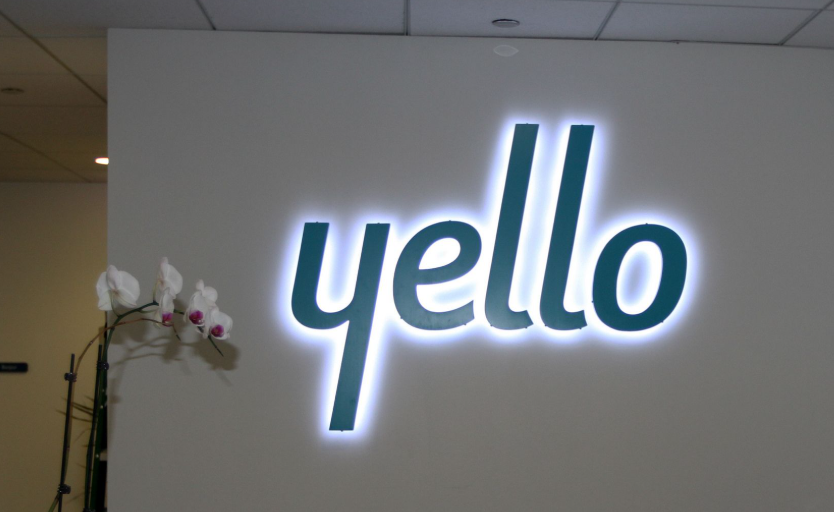

A business sign is often one of the first things customers notice when approaching a commercial property. Clear, well-designed signage can communicate professionalism, improve location visibility, and help people quickly understand what a business offers. In busy commercial environments, effective signs can make a property easier to recognize while creating a consistent visual identity. For this reason, professional signage services have become an important consideration for businesses seeking to improve both their physical presence and customer experience.
Modern signage involves much more than placing a company name above an entrance. Businesses may need exterior identification, illuminated displays, directional signs, window graphics, architectural lettering, vehicle branding, and interior signs to create a cohesive environment. Professional signage services can help bring these elements together by considering factors such as location, viewing distance, materials, lighting, brand guidelines, customer movement, and long-term maintenance. A carefully planned signage strategy allows each sign to serve a specific purpose while contributing to a recognizable overall identity.
Understanding the Role of Professional Business Signage
Effective business signage performs several functions simultaneously. It can identify a location, attract attention, provide directions, communicate important information, and reinforce a company’s visual identity. Exterior signs generally need to capture attention quickly, while interior signs can provide more detailed information because visitors have additional time to read them. Directional signs are particularly useful for larger commercial properties, offices, healthcare facilities, retail environments, and multi-unit buildings where customers may otherwise struggle to find the right entrance or department. A professional approach considers how people move through a property and determines what information they need at each stage. This creates a more organized customer journey while reducing unnecessary visual clutter.
Designing Signs Around the Business Environment
The environment surrounding a sign has a major influence on its effectiveness. A storefront located on a busy road may require larger lettering and strong contrast so drivers and pedestrians can recognize it quickly. A sign positioned inside a reception area can use finer details because visitors are viewing it from a much shorter distance. Nearby buildings, landscaping, lighting, traffic patterns, architectural features, and sightlines can also influence placement and design. Businesses should therefore avoid selecting a sign simply because it looks attractive in isolation. The design needs to work within the actual environment where customers will see it. Considering these factors early can improve readability, strengthen visual impact, and reduce the risk of installing a sign that becomes partially hidden or difficult to notice.
Selecting Materials for Long-Term Performance
Material selection is another important part of a successful signage project. Exterior signs may face sunlight, rain, snow, wind, temperature changes, and regular cleaning, so materials should be selected according to the property’s conditions and expected lifespan. Different applications may call for metal, acrylic, vinyl, illuminated components, dimensional lettering, or other specialized materials. The objective is to balance appearance, durability, maintenance, and budget rather than choosing a material based only on its initial visual appeal. Businesses should also consider how colors and finishes may change over time when exposed to outdoor conditions. Choosing suitable materials at the beginning can help maintain a professional appearance and reduce avoidable maintenance requirements.
Building a Consistent Brand Through Signage
Brand consistency becomes more important as businesses expand across multiple physical and customer-facing environments. Signage can reinforce recognizable colors, typography, logos, symbols, and design characteristics throughout a property. A coordinated exterior sign can establish brand recognition before a customer enters, while interior graphics, directional elements, and reception signage can continue that visual language inside. Vehicle graphics and window applications can extend the same identity beyond the building. Consistency does not mean every sign must look identical; instead, each element should share enough visual characteristics to feel connected. This approach helps businesses create a more polished environment and makes it easier for customers to associate different physical touchpoints with the same organization.
The Importance of Lighting and Visibility
Lighting can significantly influence how a sign performs after sunset or in areas with limited natural visibility. Illuminated lettering, backlit graphics, cabinet signs, and other lighting techniques can make important business information easier to identify during evening hours. However, brightness should be appropriate for the surroundings. Excessive illumination can create glare, while insufficient lighting may reduce readability. Businesses should consider viewing distance, surrounding light levels, sign placement, and the information being displayed when determining an appropriate lighting approach. Energy use and future maintenance should also be considered during planning. A well-designed illuminated sign should enhance visibility while remaining practical to operate and maintain over time.
Planning Installation With Practical Requirements in Mind
The installation stage can be just as important as the design and fabrication process. Sign size, mounting surfaces, structural requirements, electrical connections, accessibility, equipment needs, and property conditions may all influence how a sign can be installed. Larger exterior signs can require specialized access equipment, while illuminated signs may require additional electrical planning. Businesses should also think about future maintenance before finalizing the installation location. Components that are difficult to access can make repairs more complicated, and signs positioned too close to landscaping or other structures may become obstructed later. A thorough installation plan helps ensure that the finished sign is secure, visible, functional, and appropriate for the property.
Evaluating Signage as a Business Investment
The effectiveness of signage can be evaluated through practical customer and operational outcomes. Businesses can consider whether visitors can easily identify the property, locate the correct entrance, understand directional information, and recognize the brand consistently across different areas. It is also useful to review signage after renovations, changes in traffic patterns, rebranding, relocation, or changes to customer flow. A sign that worked well several years ago may no longer be appropriate if the surrounding environment or business model has changed. Regular evaluation allows organizations to identify signs that need repair, replacement, relocation, or redesign. Treating signage as a long-term business asset rather than a one-time decorative purchase can lead to more deliberate decisions and better overall results.
Conclusion
Well-planned signage can influence how customers discover, recognize, and navigate a business. From exterior identification and illuminated displays to interior graphics and directional signs, every element should have a clear purpose and work within the broader brand environment. Businesses can achieve stronger results by prioritizing readability, appropriate materials, strategic placement, durability, consistent branding, and professional installation. Ultimately, professional signage services provide a practical way to transform a physical business location into a clearer, more recognizable, and more professional customer environment. With thoughtful planning and attention to long-term performance, quality signage can remain a valuable part of a company’s visual identity and everyday customer experience.