


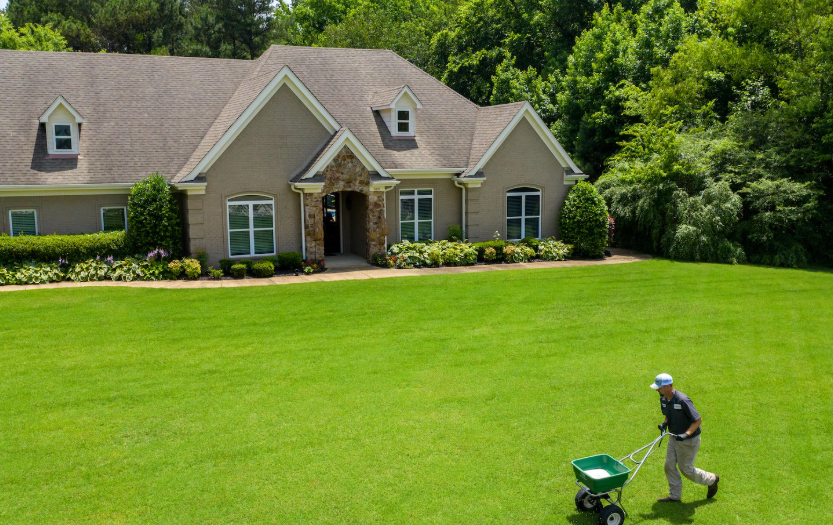

A healthy lawn requires more than occasional mowing. Grass responds to changes in weather, soil conditions, watering patterns, foot traffic, and seasonal growth, making consistent care essential for maintaining a strong and attractive outdoor space. A professional lawn care service can help homeowners manage these responsibilities through planned maintenance, timely treatments, proper mowing practices, and regular observation of turf conditions. Instead of reacting only when grass becomes thin, discolored, or overgrown, a structured approach focuses on preventing common problems and supporting healthier growth throughout the year.
Professional lawn care service can also provide valuable support for property owners who lack the time, equipment, or experience to manage every aspect of turf maintenance themselves. Effective lawn care involves understanding mowing height, watering requirements, soil health, weed pressure, seasonal changes, and the condition of the surrounding landscape. When these factors are considered together, lawn maintenance becomes more consistent and predictable. The result is not simply a freshly mowed yard but an outdoor space that has a better opportunity to remain healthy, resilient, and visually appealing as conditions change.
Why Consistent Lawn Care Matters
Regular lawn maintenance helps create the conditions grass needs to grow evenly and withstand everyday stress. When mowing is irregular or performed incorrectly, grass can become uneven and more vulnerable to environmental pressure. Allowing weeds to spread unchecked can also create competition for water, nutrients, and sunlight. Consistent care allows property owners to identify these issues earlier and address them before they become more difficult to manage. A maintenance routine may include mowing, edging, trimming, seasonal cleanup, weed management, fertilization, and monitoring for signs of turf stress. Each task contributes to the overall condition of the lawn, but the most effective programs are adjusted according to the property’s grass type, soil conditions, weather patterns, and specific maintenance goals.
Proper Mowing Is More Important Than It Seems
Mowing is one of the most frequent lawn maintenance tasks, yet it is often performed without considering how cutting practices affect grass health. Cutting too much of the grass blade at one time can place unnecessary stress on the turf, while allowing grass to become excessively tall can make mowing more difficult and produce an inconsistent appearance. The appropriate mowing height depends on the type of grass and seasonal conditions, so there is no single setting that works for every lawn. Sharp mower blades are also important because clean cuts are preferable to tearing the grass. Regular edging and trimming can further improve the appearance of sidewalks, driveways, garden beds, and other boundaries. Professional lawn maintenance can help ensure these routine tasks are performed consistently rather than only when the property becomes noticeably overgrown.
Understanding Soil and Turf Health
Healthy grass depends heavily on the condition beneath the surface. Compacted soil can restrict root development and reduce the movement of water and air, while poor drainage can contribute to unhealthy growing conditions. Soil composition and nutrient availability also influence how effectively grass establishes and maintains growth. Rather than assuming that every lawn needs the same treatment, property owners should consider the specific condition of their soil and turf before applying products. Professional assessment can help identify whether the lawn is experiencing nutritional deficiencies, compaction, drainage problems, or other issues. Improving underlying conditions can be more effective over time than repeatedly addressing visible symptoms. A strong root system gives turf a better foundation for handling environmental stress and recovering from normal wear.
Managing Weeds Before They Become a Larger Problem
Weeds compete with turf for resources and can quickly affect the appearance of a lawn when they are allowed to spread. Effective weed management begins with understanding why unwanted plants are appearing in the first place. Thin turf, exposed soil, inconsistent mowing, poor irrigation, and other conditions can create opportunities for weeds to establish. Maintaining dense, healthy grass is therefore an important part of long-term weed prevention. Depending on the situation, professional care may include targeted weed control and adjustments to mowing, watering, or fertilization practices. Treatments should be selected and applied responsibly, taking into account the condition of the lawn and the specific problem being addressed. A thoughtful strategy focuses on reducing recurring weed pressure rather than relying exclusively on repeated applications.
Watering and Seasonal Lawn Requirements
Lawn needs change throughout the year, making seasonal adjustments an important part of effective maintenance. During periods of active growth, grass may require different levels of moisture and attention than it does during slower growth or extreme weather. Overwatering can create its own problems, including shallow root development and unfavorable soil conditions, while insufficient moisture can contribute to stress and discoloration. Irrigation should therefore be based on actual lawn conditions rather than an inflexible schedule. Seasonal maintenance may also involve adjusting mowing frequency, monitoring for disease or pests, managing fallen leaves, and preparing turf for changing weather. Professional lawn care can provide a consistent framework while allowing individual tasks to change according to the season and the property’s condition.
How Professional Lawn Maintenance Saves Time
Maintaining a lawn properly requires recurring attention, equipment, knowledge, and physical effort. Homeowners who handle every task themselves may find it difficult to maintain a consistent schedule, especially when weather or other responsibilities interfere. Professional service can simplify this process by establishing a routine for mowing and other maintenance tasks. It also reduces the need for property owners to purchase and maintain every piece of equipment required for regular lawn care. More importantly, professional attention can help identify developing problems before they become major concerns. Instead of spending weekends catching up on neglected tasks, homeowners can rely on a planned maintenance approach that keeps the property looking cared for throughout the season.
Choosing the Right Lawn Care Provider
Selecting a lawn care provider should involve more than comparing prices. Property owners should consider whether the company understands local growing conditions, offers services appropriate for the lawn, communicates clearly, and maintains a consistent schedule. It is also important to understand what is included in the service and whether additional treatments or specialized work are handled separately. A dependable provider should be willing to explain recommendations and adjust maintenance according to the actual condition of the property. Homeowners may also benefit from choosing a company capable of handling related landscape needs, particularly when lawn care is part of a larger outdoor maintenance plan. Clear expectations from the beginning can help create a productive long-term service relationship.
Conclusion
A healthy lawn is the result of consistent attention rather than a single maintenance visit. Proper mowing, appropriate watering, soil management, weed control, seasonal adjustments, and regular observation all contribute to better turf performance. Choosing a professional lawn care service can make these responsibilities easier to manage while providing property owners with a structured approach to maintaining their outdoor spaces. The most effective strategy is one that responds to the actual needs of the lawn instead of relying on generic routines. By investing in regular, informed care and addressing problems early, homeowners can maintain a lawn that looks attractive, performs better under everyday conditions, and remains an enjoyable part of the property throughout the year.