



People tend to equate jewelry and treat it as a single package. It isn’t.. Drop a ring in a box, and it needs to sit dead still. Drop a necklace in the same spot, and it needs room to breathe, or it knots itself into a mess within a few miles of the delivery truck. Earrings bring their own set of headaches – two pieces, tiny backings, easy to lose track of one. Bracelets could go either way depending on the style. Use one generic insert for everything, and you’ll get away with maybe half the shipments looking fine. Figuring out the right packaging mostly comes down to paying attention to how each piece actually sits and shifts once it’s inside a box, rather than treating every category the same way.
Rings Need Precision Above Everything Else
Rings are small and rigid, and they don’t tolerate much movement if they end up loose inside a box. Even a small shift during shipping can bend a prong, loosen a stone, or scuff a plated surface. A fitted slot – sized specifically to the ring’s band width and profile – is really the only dependable way to keep a ring from moving at all in transit. Loose padding or tissue paper alone doesn’t come close to doing the same job, since it allows movement rather than eliminating it.
Getting ring packaging wrong is a common and avoidable mistake. Brands that size their inserts generically, hoping a single slot fits several different ring styles, usually end up with pieces that still shift more than they should.
Necklaces Need Room, Not Just Protection
Necklaces flip the priority almost entirely. Instead of needing to be locked into one fixed spot, a necklace needs enough room to lie or hang without tangling into knots. If a necklace is too big for the slot, it will tangle almost as soon as it’s put in, and removing a fine chain is just the sort of annoying first impression a brand does not need to give a customer.
Packaging for necklaces can be made in two ways: a card or insert that the necklace wraps around and clamps to, or a recessed tray deep enough to accommodate the chain without any pressure points. The wrap-and-clasp is usable for both and is better for longer chains, which can get coily and tangled in a flat tray.
Earrings Are a Different Puzzle Entirely
Earrings are sold in pairs, instantly altering the packaging math! The insert should secure both pieces firmly and, ideally, keep them from facing the box’s two ends. The small posts for stud earrings typically require very small and exact holes to be pushed through, whereas dangle earrings require a little more room to dangle without crushing or tangling with the other dangle.
One of the more common reasons for customer frustration with jewelry packaging is that a poorly designed earring insert is likely to get lost in the box or be difficult to remove from the stud’s too-small hole.
Bracelets Sit Somewhere Between Rings and Necklaces
Bracelets share needs with both rings and necklaces, depending on their style. A rigid bangle-style bracelet behaves more like a ring – it needs a fitted, shaped insert holding its exact form with no room to shift. A chain-link or beaded bracelet behaves more like a short necklace, needing enough room to lie flat without tangling but not so much that it slides around loosely.
This overlap is exactly why bracelet packaging tends to go through the most trial and error before a brand lands on something that actually works across their full range of styles.
Color and Interior Presentation Matter Across All Types
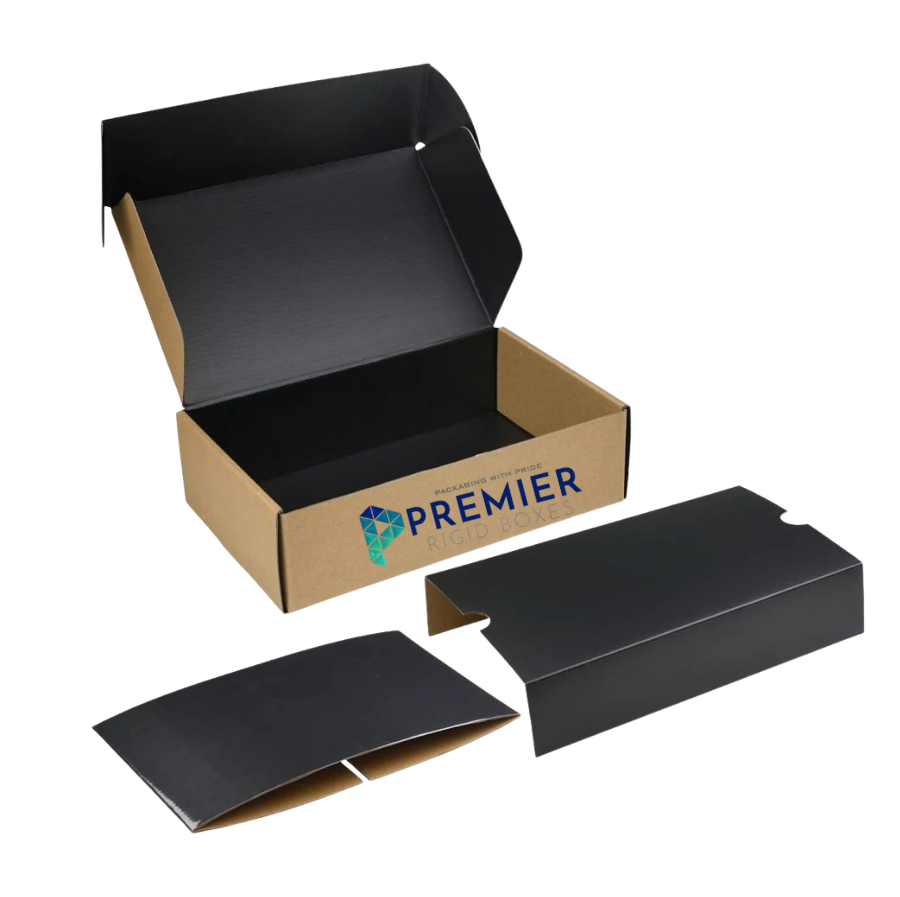
The interior lining not only determines the jewelry’s fit but also affects how it looks when the box is opened. Dark colors, such as black, will bring out the colors of the metal and gemstone more vividly than lighter or neutral colors will. That’s why a jewelry shipping box with insert black is a winning combination for a lot of jewelry products, whether it’s a ring, a necklace, or a pair of earrings – it works for all of them, making it easier for brands with various product lines to use the same packaging system.
A Practical Comparison Across Jewelry Types
| Jewelry Type | Primary Packaging Need | Common Insert Style | Biggest Risk if Packaged Wrong |
| Rings | Zero movement, precise fit | Fitted foam or velvet slot | Prong bending, stone loosening |
| Necklaces | Room to lie flat, no tangling | Wrap card or recessed tray | Tangled chains, knotting |
| Earrings | Secure pairing, small-part control | Post holes or hook slots | Lost backings, tangled pairs |
| Bracelets | Depends on style – rigid or flexible | Shaped insert or wrap card | Deformed bangles or tangled chains |
Why One-Size-Fits-All Packaging Rarely Works
Brands selling across multiple jewelry categories sometimes try to simplify things by using a single universal box and inserting the same design for everything. It’s an understandable cost-saving move on paper, but it tends to backfire in ways that end up costing more than the packaging savings were worth – through returns, damaged pieces, or just a general sense that the unboxing experience wasn’t as polished as it could’ve been.
Investing in category-specific inserts, even if that means juggling a few different box formats instead of one, tends to pay off through fewer damaged shipments and a noticeably stronger first impression across every product type a brand sells.
Final Words
Jewelry packaging isn’t really about landing on one perfect box design. It’s about recognizing that a ring, a necklace, a pair of earrings, and a bracelet all need to be held differently to arrive the way they’re supposed to. Getting that right for each category takes a bit more planning than defaulting to generic packaging, but it’s usually the difference between a customer unboxing something that looks exactly like the product photo and one who spends a few minutes untangling or reshaping a piece before they can even wear it.