


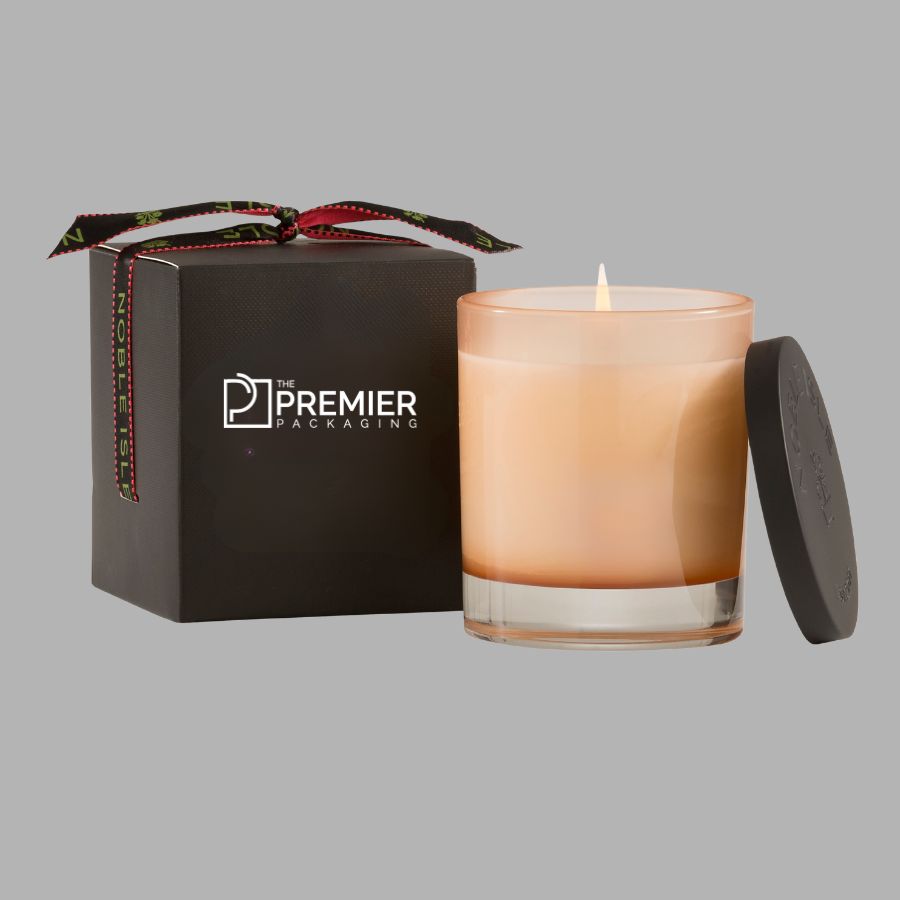

Most people picking out candle packaging start with the label, the color scheme, maybe the box shape. Glass thickness barely enters the conversation, which is a little strange considering it’s the one variable that decides whether the jar survives the trip to the customer at all. A thin-walled glass jar and a thick, heavy tumbler don’t behave the same way in transit, and packaging built without that distinction in mind is basically a coin flip.
Glass Isn’t a Single Material It Behaves Differently by Weight
Thin glass jars, the kind you’ll see on smaller votive candles or budget product lines, crack under a fraction of the pressure that a heavier jar can absorb. They’re lighter to ship, which sounds like an advantage, but that same thinness means less material standing between the flame-safe interior and whatever bump or drop happens along the way. A box built with generic foam corners, hoping for the best, isn’t really built for this kind of glass at all.
Heavier glass thick-walled tumblers, apothecary-style jars, the stuff that feels substantial in your hand, hold up to more physical stress on their own. But it’s also just heavier, which changes how it shifts inside a box during transit, and a thick jar without any real cushioning can still crack a base or chip a rim if it’s allowed to slide and knock against the sides.
Neither one is inherently safer. They just fail in different ways, so the packaging has to be tailored to the specific jar rather than a one-size-fits-all shipping box.
Where Thin Glass Actually Cracks
It’s rarely the whole jar. Damage tends to show up in predictable spots:
- The base, from impact against a hard surface during a drop
- The rim, especially on jars with an open top that isn’t reinforced
- Stress fractures along the side wall, from pressure applied unevenly during stacking
Thin glass needs packaging that limits movement almost entirely. A snug insert, cut close to the exact shape of the jar, does more here than a thick layer of loose padding ever could — loose padding still allows for small shifts, and small shifts are exactly what cause stress fractures over a long shipping route.
Where Thick Glass Runs Into Trouble
Heavier jars are less prone to fine cracking but more prone to chipping, particularly at the rim if the jar isn’t held in a fixed position. There’s also the weight problem. A heavy jar with too much room to move inside its box builds up real momentum during handling, and that momentum is what causes damage even in glass that would otherwise shrug off a drop.
For thick glass, the priority shifts a bit. It’s less about evenly absorbing shock throughout the jar and more about locking the base and rim in place so nothing can knock around.
What This Means for Insert Design
This is where glass thickness stops being an abstract concern and starts to shape actual packaging decisions. Candle jar packaging boxes with insert designs work because the insert does the job; generic padding can’t hold the jar in a single position, only cushioning it after the fact.
A few things that tend to matter most:
- Insert depth matched to jar height, so the base is fully supported and not resting on a shallow cutout
- A snug diameter fit, tight enough that the jar can’t rotate or shift, loose enough that it doesn’t stress the glass on insertion
- Reinforced rim support for thin-walled jars, specifically, since the rim is usually the first thing to chip
- Base cushioning calibrated to jar weight — thin foam for lighter jars, denser foam or corrugated support for heavier ones
Getting the insert thickness wrong in either direction causes problems. Too loose, and the jar moves enough to crack under repeated shifting. Too tight, and inserting or removing the jar itself risks chipping, especially with jars that have a slightly irregular base, which is more common than people expect in handmade or small-batch glass.
Testing Matters More Than Guessing
Brands that skip real shipping tests tend to find out about a packaging problem the expensive way through returns and damaged goods complaints, usually well after a batch has already gone out. A basic drop test with the actual jar and finished packaging, from a few different heights and angles, catches most weak points before they become a pattern. It’s a small step that saves a lot of downstream cost, and it’s worth doing separately for each jar weight and shape a brand carries, since what works for one won’t necessarily work for another.
FAQs
Does thicker glass mean a candle jar needs less packaging protection?
Not exactly, it needs different protection, not less. Thick glass resists fine cracking better but is more prone to rim chipping if it’s allowed to move around inside the box, so the packaging still needs to hold it firmly in place.
What’s the biggest packaging mistake for thin-walled candle jars?
Relying on loose padding instead of a fitted insert. Thin glass is sensitive to even small amounts of movement, and loose-fill materials don’t prevent the gradual shifting that leads to stress fractures along a shipping route.
Are custom inserts worth the extra cost for candle jar packaging?
Usually, yes, especially for anything shipped directly to customers. A properly fitted insert significantly reduces breakage compared to generic padding, and the cost of a custom insert is typically lower than the cost of replacing broken products and dealing with customer complaints.
How do I know what insert design fits my specific jar?
It comes down to measuring the jar’s exact height, base diameter, and rim shape, then building or ordering an insert cut to those dimensions rather than a generic size. Working with a packaging supplier that can produce custom-fit inserts is usually the more reliable route for jars with irregular shapes.
Does glass thickness affect how many jars can be safely packed per shipping box?
Yes. Heavier, thicker jars typically need more spacing and support between units to prevent them from pressing against each other, while lighter, thin-walled jars can sometimes be packed a bit closer together as long as each one has its own fitted compartment.