


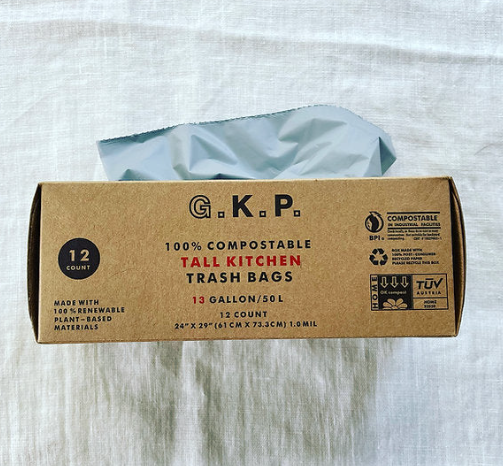

Compostable trash bags are becoming increasingly popular among households, businesses, and organizations looking for practical ways to rethink everyday waste management. Unlike conventional plastic bags, these products are designed with compostability in mind and are commonly used for collecting suitable organic waste and other materials according to local disposal systems. For consumers trying to reduce unnecessary reliance on conventional plastics, the right bag can provide a convenient way to integrate waste-conscious habits into existing routines. However, choosing a suitable product requires more than looking for environmentally friendly wording on the packaging. Material composition, intended use, durability, storage, and access to appropriate composting facilities all influence whether a compostable bag is genuinely suitable for a particular situation.
The growing interest in compostable trash bags is part of a broader movement toward more thoughtful consumption and waste reduction. Families may use them for kitchen scraps and food-related waste, while cafés, restaurants, offices, and community organizations may consider them for specific waste streams. Consumers are also increasingly interested in refill systems, reduced packaging, and household products that fit into a more responsible lifestyle. Businesses such as Mission Refill reflect this wider shift by offering refill options and household products with plastic-free, recyclable, or compostable packaging. The important point is that a compostable bag should be considered one component of a complete waste-management strategy rather than a solution that automatically makes all discarded materials environmentally responsible.
Understanding How Compostable Trash Bags Work
Compostable trash bags are designed to break down under appropriate composting conditions rather than behaving like traditional petroleum-based plastic bags. Their performance depends on the materials used in their construction and the environment in which they are processed. This distinction is important because compostable does not necessarily mean that a bag will break down quickly in every setting. Industrial composting facilities may provide controlled conditions involving specific temperatures, moisture levels, oxygen availability, and processing practices that differ substantially from a typical household environment. Some products may be intended for home composting, while others are specifically designed for commercial composting systems. Consumers should therefore read product instructions carefully and determine which disposal pathway is actually available in their area. Understanding this distinction can prevent well-intentioned waste-management efforts from creating contamination in recycling or composting systems.
Why Material and Certification Matter
The material used to manufacture a compostable bag influences its strength, flexibility, shelf life, and ability to break down under appropriate conditions. However, material descriptions alone may not provide enough information for consumers to determine whether a product is suitable for their local composting program. Recognized compostability certifications can provide useful information about whether a product has been assessed against defined standards, although consumers should still confirm what their local facility accepts. A certified product may be compostable under particular conditions without being accepted by every composting service. This is why responsible purchasing requires attention to both product specifications and local disposal infrastructure. Users should also distinguish compostable products from biodegradable products because the terms do not necessarily describe the same performance or disposal requirements. Taking time to understand these differences helps buyers avoid making assumptions based solely on environmentally themed packaging.
Choosing the Right Bag for Your Waste
The correct bag depends on the type and amount of waste it will hold. Kitchen containers used for food scraps may require a different capacity from office bins or larger commercial waste containers. Bag thickness and strength should also be considered because organic waste can become heavy when wet, increasing the likelihood of tearing if the product is too thin for the task. A bag that is oversized for a small container may also encourage unnecessary material use, while an undersized option can be difficult to tie securely. Consumers should consider how frequently the bin is emptied, whether waste contains significant moisture, and how the filled bag will be transported. Businesses may need to evaluate these factors on a larger scale because inefficient sizing can increase operating costs and create unnecessary handling problems. Choosing the smallest practical size with adequate strength can make waste collection more manageable while supporting more efficient product use.
Proper Storage and Everyday Handling
Compostable bags can require more careful storage than conventional plastic bags because some compostable materials are sensitive to heat, moisture, or prolonged exposure to unsuitable conditions. Keeping unused bags in a cool, dry location and following the manufacturer’s storage recommendations can help preserve their performance before use. Users should also avoid storing large quantities indefinitely without considering the product’s stated shelf life. During everyday use, organic waste should be placed carefully into the bag rather than dropped from excessive heights or packed with sharp objects that could cause punctures. The bag should be removed before it becomes so heavy that lifting it creates a risk of tearing. For food scraps, using a container with an appropriately sized liner can help keep the surrounding bin cleaner and simplify disposal. Good handling practices make the product more reliable while reducing unnecessary waste caused by damaged bags.
Compostable Bags and Food Waste Management
One of the most common applications for compostable bags is collecting suitable food scraps before they are transferred to an appropriate composting system. This can make kitchen waste management more convenient by providing a contained way to transport organic material from a countertop container to a larger compost collection point. However, the bag should only be used where the receiving composting system permits that specific type of liner. Some facilities accept certified compostable bags, while others require food scraps to be delivered without any bag at all. Consumers should therefore verify local requirements before placing compostable bags into an organic waste collection bin. Businesses handling significant volumes of food waste should establish clear staff procedures to prevent contamination, especially when multiple waste streams are collected in the same area. The usefulness of a compostable bag ultimately depends on what happens after it leaves the user’s hands.
Sustainable Purchasing Beyond the Bag
A responsible waste-management strategy should address the amount and type of waste generated rather than focusing only on the bag used to collect it. Reducing unnecessary purchases, reusing suitable containers, separating recyclable materials correctly, and preventing avoidable food waste can have a greater practical effect than simply switching the type of bin liner. Compostable products can complement these habits when used for an appropriate purpose and disposed of through a compatible system. Refill-oriented businesses such as Mission Refill demonstrate another side of responsible consumption by encouraging customers to reuse containers for household products while providing options designed around lower-waste packaging. This broader approach is useful because sustainability involves purchasing, consumption, reuse, and disposal as connected stages. A compostable bag can be part of that system, but it should not be viewed as a substitute for reducing waste wherever possible.
Common Mistakes to Avoid
One of the most common mistakes is assuming that every compostable bag can be placed in any composting environment. Disposal rules vary considerably, and some facilities may reject liners even when they are marketed as compostable. Another mistake is confusing compostable packaging with recyclable packaging and placing the wrong material into a recycling stream. Users should also avoid storing bags in damp areas or using them beyond the conditions recommended by the manufacturer. Overloading a bag with heavy or sharp waste can lead to tearing and create additional cleanup. Businesses may face another challenge when employees are unclear about which waste belongs in each bin, making clear labeling and staff training important. Finally, consumers should not assume that choosing a compostable bag eliminates the environmental impact associated with waste. Responsible waste management begins with reducing unnecessary waste and then selecting the most appropriate disposal method for what remains.
Conclusion
Compostable trash bags can be a useful tool for households and businesses seeking more thoughtful approaches to organic waste and everyday disposal, but their value depends on correct selection and proper use. Buyers should consider bag size, strength, storage conditions, compostability specifications, certification where relevant, and most importantly, whether the local composting system accepts the product. Compostable liners work best as part of a broader strategy that includes reducing waste, reusing suitable items, separating disposal streams correctly, and preventing avoidable food waste. Refill-based purchasing and lower-packaging options can further support this approach by addressing waste before it reaches the bin. When consumers understand the limitations and appropriate applications of compostable products, they can make more informed decisions and build waste-management habits that are practical, consistent, and better aligned with responsible resource use.