


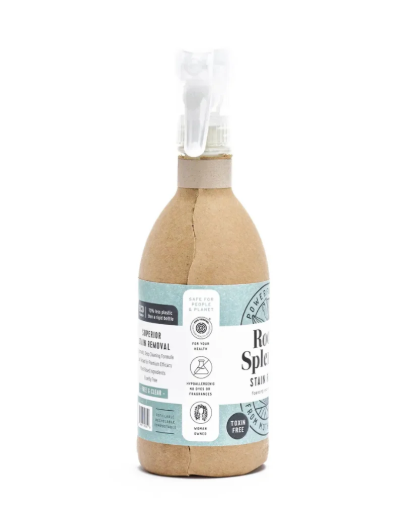

Hard water can leave behind stubborn white spots, cloudy marks, and chalky deposits on faucets, shower glass, sinks, tiles, countertops, and other frequently exposed surfaces. These marks develop when mineral-rich water evaporates and leaves substances such as calcium and magnesium behind. Over time, repeated exposure can turn small spots into noticeable layers of buildup that become increasingly difficult to remove through ordinary cleaning. A hard water stain remover can provide a targeted approach by helping loosen mineral deposits so they can be wiped away more effectively. For homeowners, renters, cleaning professionals, and businesses, understanding how these stains develop is an important step toward maintaining cleaner-looking surfaces without relying on excessive scrubbing.
The demand for a hard water stain remover reflects a broader need for efficient household maintenance products that address specific cleaning challenges. Bathrooms, kitchens, hospitality facilities, offices, and commercial properties can all experience recurring mineral buildup, particularly in areas where water frequently sits or dries naturally. Consumers are also becoming more interested in responsible purchasing, refill systems, and products that fit into lower-waste routines. Choosing an effective cleaner is therefore about more than removing visible marks; users should consider surface compatibility, application method, cleaning performance, packaging, and long-term maintenance. A thoughtful approach can make hard water management easier while helping avoid unnecessary product use and repeated damage caused by aggressive cleaning techniques.
Understanding What Causes Hard Water Stains
Hard water stains are created when dissolved minerals remain on a surface after water evaporates. Calcium and magnesium are common contributors, although the exact composition of deposits can vary depending on the local water supply. Fresh deposits may appear as small white spots, while older buildup can develop into a rough or cloudy layer that becomes more noticeable around faucets, showerheads, glass doors, sinks, and other fixtures. The problem tends to become more persistent when surfaces are repeatedly exposed to water without being dried. Soap residue can sometimes combine with mineral deposits, creating an even more difficult layer to remove. Recognizing the difference between mineral buildup and ordinary dirt is important because a standard multipurpose cleaner may not be designed to dissolve mineral residue effectively. Once users understand the cause, they can choose a cleaning method that addresses the actual problem rather than repeatedly scrubbing without achieving lasting results.
Why Choosing the Right Cleaner Matters
Not every cleaning formula is suitable for every hard water stain or surface. Mineral deposits may require a product specifically formulated to loosen or dissolve them, but the strength and composition of the cleaner should always be considered alongside the material being treated. Glass, ceramic, stainless steel, chrome, painted surfaces, natural stone, and specialty finishes can have very different levels of resistance to cleaning chemicals. A product that works well on one surface may be unsuitable for another. This is why checking the manufacturer’s instructions and material compatibility is an essential part of responsible cleaning. Users should also avoid assuming that a stronger formula will automatically deliver better results. The goal is to use an appropriate product at the recommended concentration and contact time. This measured approach can reduce unnecessary surface wear while allowing the cleaner to do more of the work instead of depending entirely on physical force.
How to Choose a hard water stain remover
Choosing the right cleaner starts with identifying where the buildup occurs and how severe it has become. A homeowner dealing with occasional spots on a bathroom faucet may need a different solution from a professional cleaner handling extensive mineral deposits across multiple shower enclosures. The surface itself should be considered before the stain. Buyers should look for clear information about compatible materials and intended applications, particularly when cleaning delicate, polished, coated, or porous surfaces. Application style can also affect convenience. A spray format may be useful for vertical surfaces, while other formulations may be better suited to concentrated or heavily affected areas. Consumers should consider how much product is needed for regular maintenance and whether refill options are available as part of their purchasing preferences. Mission Refill’s focus on refillable household shopping demonstrates how cleaning routines can be connected with broader efforts to reduce packaging waste. The most useful product is ultimately one that combines appropriate cleaning performance with practical application and responsible everyday use.
Effective Application Techniques
Good technique can significantly improve the results of mineral stain removal. Before applying a cleaning solution, loose dirt, dust, hair, soap residue, and other surface debris should be removed so the product can make better contact with the mineral deposits. The cleaner should then be applied according to its instructions rather than being used in excessive quantities. Allowing the recommended contact time can help loosen buildup and reduce the need for forceful scrubbing. For persistent deposits, a second controlled application may be more appropriate than immediately using an abrasive tool. A soft cloth, sponge, or suitable non-abrasive cleaning implement can help remove loosened residue while reducing the risk of scratches. Once the deposit has been removed, the surface should be rinsed or wiped as directed and dried thoroughly. Users should also maintain adequate ventilation when working with cleaning products. Following a consistent process makes stain removal more predictable and can help protect surfaces from unnecessary wear.
Preventing Mineral Deposits From Returning
Removing existing stains is only part of managing hard water. Prevention can significantly reduce the amount of buildup that develops between deeper cleaning sessions. One of the simplest habits is removing standing water from faucets, shower glass, sinks, and other frequently exposed surfaces. Drying these areas after use reduces the amount of water available to evaporate and leave minerals behind. Regular light cleaning can also prevent small deposits from developing into thick layers that require more intensive treatment. In bathrooms, improved airflow can help surfaces dry faster, although ventilation alone will not eliminate minerals from hard water. Households with persistent problems may also explore broader water-treatment options depending on their circumstances. The most practical strategy is often a combination of quick drying, routine maintenance, and periodic targeted cleaning. Preventive habits can reduce the amount of effort required later and help surfaces retain a cleaner appearance between major cleaning sessions.
Hard Water Stains on Different Surfaces
The appearance and treatment of mineral buildup can vary considerably according to the surface involved. Glass shower doors often show cloudy spots clearly because mineral residue contrasts with transparent surfaces, while chrome faucets may develop dull-looking deposits around joints and water outlets. Ceramic sinks and tiles can accumulate chalky residue, particularly around areas where water remains after use. Stainless steel may show spots or streaks that become more noticeable when the surface dries unevenly. Natural stone requires particular caution because some cleaning products can damage or dull acid-sensitive materials. This makes surface identification essential before choosing a treatment method. Users should never assume that a cleaner suitable for bathroom glass is automatically appropriate for stone countertops or other sensitive finishes. When uncertain, checking care guidance for the material and testing a cleaning product in a small hidden area can help reduce the risk of unwanted damage.
Sustainable Cleaning and Responsible Product Use
A more responsible cleaning routine involves considering both product performance and how the product is consumed. Using excessive amounts of cleaner does not necessarily improve results and can increase household costs, packaging consumption, and rinsing requirements. Consumers can instead focus on accurate application, regular maintenance, and products that are suitable for repeated use. Refill systems may also help reduce the need to purchase a new container every time a cleaning product runs out. Mission Refill offers a refill-based approach to household shopping, alongside products selected with plastic-free, recyclable, or compostable packaging considerations. This reflects a broader principle that sustainable cleaning is not limited to the chemical formula itself. Packaging, purchasing frequency, product lifespan, and responsible application all contribute to a more thoughtful routine. Choosing an effective cleaner and using the correct amount can therefore support both practical cleaning goals and more conscious household consumption.
Common Mistakes to Avoid
Several cleaning mistakes can make hard water buildup more difficult to manage or create unnecessary surface damage. Aggressive scrubbing is one of the most common because users may attempt to remove mineral deposits through force rather than allowing a suitable cleaner to loosen them first. Abrasive pads can also scratch certain finishes, leaving permanent marks even after the original stain has disappeared. Another mistake is leaving a cleaning product on a surface longer than recommended under the assumption that additional contact will always improve performance. Mixing cleaning products is also unsafe because incompatible chemicals can produce harmful reactions or fumes. Users should avoid applying a product to an unfamiliar material without checking its suitability first. Finally, treating every white or cloudy mark as hard water buildup can lead to the wrong cleaning approach. Soap residue, damaged finishes, and other deposits can sometimes look similar, so identifying the problem before treatment is an important part of effective surface care.
Conclusion
A hard water stain remover can be an effective tool for managing mineral deposits when the product is carefully matched to the affected surface and applied according to its intended use. The most important considerations include the type and severity of buildup, material compatibility, application method, contact time, and appropriate rinsing or wiping afterward. Regular drying and light maintenance can also prevent minor deposits from becoming difficult stains that require intensive treatment. Consumers who value lower-waste living can further consider refill systems and responsible product use as part of their overall cleaning routine. Whether maintaining a family bathroom, kitchen fixtures, commercial property, or hospitality environment, successful hard water management depends on combining the right product with good technique and consistent prevention. A hard water stain remover is most effective when it becomes part of a practical maintenance strategy rather than a last-minute solution for neglected surfaces.