


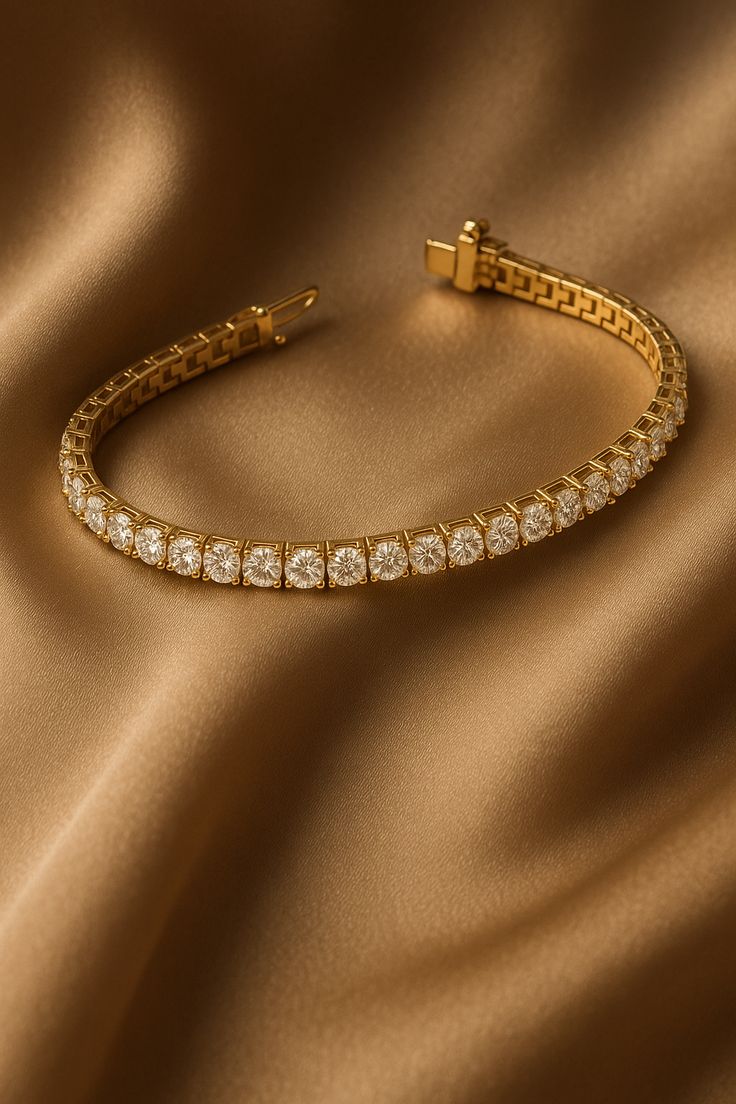

Jewellery Packaging: Making Small, Precious Things Feel Looked After
A ring is small enough to lose in a coat pocket, yet people expect its box to feel like an occasion. That is the odd challenge of jewellery packaging. The object inside is tiny, the emotional weight is large and the box has to carry both. Whether you sell handmade earrings online or fine pieces in a shop, a few practical choices make the difference between a box that gets thrown away and one that gets kept in a drawer.
Size the box to the piece
Jewellery sizing is more about the inside than the outside. A ring box needs a slot that holds the band firmly without bending it. A necklace needs space to lie flat or sit in a curve without kinking the chain. A bracelet may need a pillow or a bar to hold its shape. Earrings need small holes or a card to keep each one in place.
Measure the biggest piece in each category and design for that, then check the smaller items fit well. Chains and delicate clasps are easy to tangle, so many brands use a small card or a loop of ribbon to hold them still. If you sell sets, consider a single deeper box with a layered insert instead of several separate ones.
Inserts do the real work
A good insert protects the piece and presents it. Foam, velvet-covered board and pressed paper inserts all work, and the choice depends on the look you want. Soft inserts are kind to polished metal. Firm ones hold shape better. For brands that care about sustainability, paper-based inserts are widely available and look clean.
Think about how the jewellery will be removed. A slot that grips too tightly makes opening frustrating, and one that is too loose lets the piece slide around. Test with several pieces rather than one, because small differences in thickness change the fit.
Material and finish for a precious feel
Rigid boxes suit jewellery well. The firm walls protect delicate pieces, and the weight feels substantial in the hand. Wrapped in paper, fabric or a soft-touch finish, they look and feel luxurious. Magnetic closures, ribbon pulls and hinged lids all add to the sense of ceremony. Folding cartons are a fair choice for everyday pieces, samples and mailing.
Be careful with finishes that scuff. Dark, matte surfaces look elegant but can show marks, so check how a sample holds up after a few days of handling. Metallic foil on a logo adds sparkle that suits jewellery, particularly on a dark box, and a small area is usually enough.
Building a brand through the box
For a small brand, the box may be the only chance to leave an impression. A logo on the lid, a pattern inside or a short line about the piece can help the customer remember where it came from. Include a small care card, since polishing and storage advice is useful and reduces returns for tarnished silver.
Colour deserves thought. A brand colour on the box can become recognizable over time, and many customers associate a particular shade with a particular brand. If you sell online, remember that the first photograph of the box often appears on social media, so give the lid a clear and simple look that photographs well.
Think about the order in which people meet the packaging. A customer in a shop sees the outer bag first, then the box, then the piece. An online customer sees a mailer, then tissue or a wrap, then the box. Each layer is a chance to repeat a colour or a logo, so the experience feels connected. It does not need to be elaborate; a small ribbon or a single stamp can tie the layers together.
Buying and shipping
If you are weighing options for custom printing services, ask whether the supplier can match your colours and whether they offer samples of rigid and folding styles. Handle each sample, open and close the lid several times and press the corners.
For quantity orders, custom jewelry boxes wholesale works out well when your range is stable, since setup is spread across the run and your look stays consistent. If you ship boxes to customers, pack the jewellery box in a padded mailer or a small outer carton so the finish arrives unmarked. Store spare stock flat or in a sealed tote to keep dust and moisture away.
If possible, test the box with a real customer’s eyes. Show a sample to a few people and ask what they think the piece costs. If the answer matches your expectations, the packaging is doing its job.
A jewellery box is small, but it sets the tone for everything inside. When it fits well and feels good, the piece looks even better.