


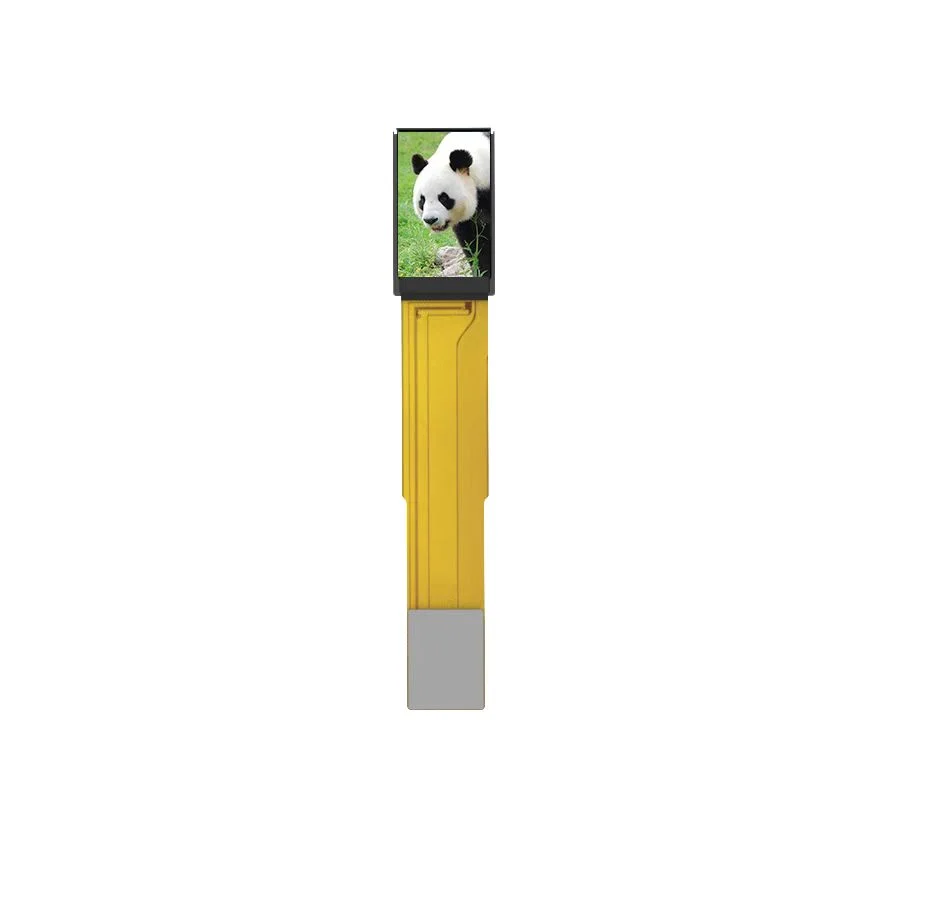

Display technology has changed significantly as electronic devices become smaller, lighter, and more sophisticated. From smartphones and televisions to wearable electronics and immersive headsets, manufacturers are constantly looking for ways to deliver better visual experiences within limited physical space. This demand has encouraged the development of advanced microdisplay technologies that combine compact dimensions with detailed image reproduction. A modern micro oled display is one example of this progress, offering features that make it suitable for applications where conventional display panels may be too large or impractical.
Microdisplays are designed for systems that require small viewing screens, often working together with lenses, prisms, mirrors, and other optical components. Their compact construction makes them particularly valuable in wearable devices and near-eye display applications.
Understanding Micro OLED Display Technology
Micro OLED is a display technology that uses organic light-emitting diodes on a compact semiconductor-based substrate. Unlike conventional LCD panels, OLED pixels generate their own light, meaning a separate backlight is not required.
This self-emissive structure provides several useful characteristics. Individual pixels can be controlled independently, allowing the display to produce deep blacks and strong contrast. Micro OLED technology can also support high pixel densities, making it suitable for applications where images are viewed through magnifying optical systems.
The small form factor is another important advantage. Micro OLED panels can be integrated into compact electronic devices where space and weight are major design considerations.
However, actual performance depends on the specific panel, including its resolution, brightness, refresh rate, power requirements, and operating characteristics.
Why Pixel Density Matters In Near-Eye Applications
Near-eye displays present unique engineering challenges. Because screens are positioned close to the viewer’s eyes and are often viewed through optical magnification, individual pixels can become more noticeable if the display does not provide sufficient resolution.
High pixel density helps create smoother images and clearer details. This is particularly important in virtual reality headsets, electronic viewfinders, and other devices that reproduce digital images within a small viewing area.
Display resolution should be considered alongside optical design. Lenses, focal distance, field of view, distortion, and optical alignment all influence the final image perceived by the user.
For this reason, display selection and optical system development should be treated as connected engineering decisions rather than separate tasks.
Applications Across Emerging Technology Markets
Micro OLED displays are becoming relevant in several industries that require compact and detailed visual systems.
Virtual Reality Headsets: VR devices use near-eye displays to present digital environments. Compact panels with high pixel density can support detailed visual experiences.
Augmented Reality Systems: AR products combine digital information with the user’s surrounding environment. Microdisplay technology can form part of the optical engine used to present this information.
Electronic Viewfinders: Cameras and specialized imaging equipment can use compact displays to provide digital previews and viewing information.
Wearable Electronics: Smart glasses and other wearable devices require lightweight components that fit within limited product dimensions.
Industrial And Medical Equipment: Certain specialized instruments use small displays to present visual information in compact viewing systems.
These applications demonstrate why microdisplay development is an important part of the wider optical and electronic technology industry.
Integrating Displays With Optical Components
A microdisplay alone does not create a complete near-eye viewing experience. It must work with an optical system that directs and shapes light toward the viewer.
Depending on the device architecture, this system may include lenses, prisms, mirrors, light guides, or other optical elements. The selected components influence image clarity, brightness, field of view, distortion, and overall device size.
Optical alignment is particularly important. Even a high-resolution display may deliver unsatisfactory results if the optical components are incorrectly positioned or if the system introduces unwanted aberrations.
Engineers therefore need to evaluate the display and optical assembly together. Factors such as eye relief, exit pupil, focal distance, image uniformity, and mechanical tolerances can all influence the final product.
Key Considerations When Selecting A Microdisplay
Choosing a suitable microdisplay requires a clear understanding of the intended application. Buyers and product developers should compare several technical specifications before making a decision.
Resolution And Pixel Density: These determine the level of image detail that the panel can reproduce.
Brightness: The required brightness depends on the optical architecture and the surrounding lighting conditions.
Contrast Performance: Strong contrast can improve image separation and support more detailed visual content.
Refresh Rate: Suitable refresh rates are important for applications involving motion and interactive content.
Power Consumption: Energy requirements matter particularly in battery-powered wearable products.
Physical Dimensions: The display must fit the available space within the optical and mechanical assembly.
System Compatibility: Electrical interfaces, optical characteristics, and mechanical requirements should match the intended device design.
Evaluating these factors together helps manufacturers select displays that meet their product development goals.
The Future Of Compact Visual Systems
As augmented reality, virtual reality, wearable electronics, and advanced imaging technologies continue to develop, demand for compact visual components is expected to remain important. Microdisplay solutions will play a role in helping engineers create smaller devices while maintaining detailed image quality.
For businesses and developers exploring optical display components, ARV Optical provides a starting point for reviewing relevant technologies and product categories. Its micro oled display range offers an opportunity to explore compact display options for emerging visual applications.