


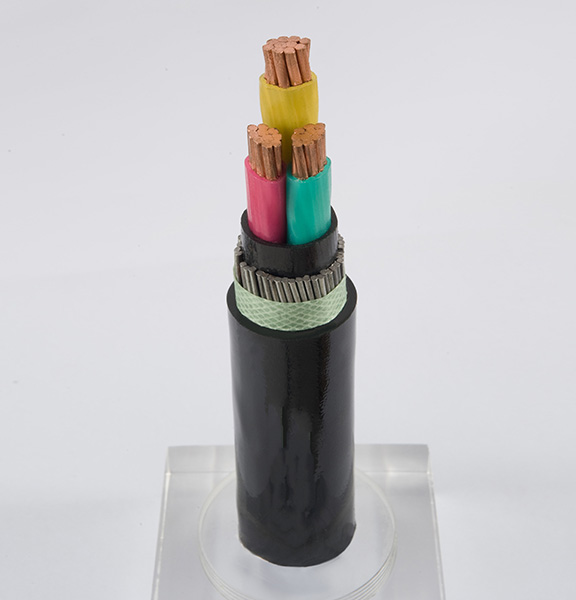

Reliable electrical infrastructure is essential for modern industries, commercial facilities, and residential developments. As electricity demand continues to grow, choosing the right cable becomes increasingly important. XLPE cable has become a preferred solution for power distribution because of its excellent insulation properties, thermal resistance, and dependable electrical performance. HBNfpower provides quality cable solutions designed to support different power transmission requirements while meeting the practical demands of modern electrical installations.
What Is XLPE Cable?
XLPE cable refers to electrical cable insulated with cross-linked polyethylene. This specialized insulation material is widely recognized for its strong dielectric properties, mechanical stability, and ability to withstand elevated operating temperatures.
Unlike conventional insulation materials, cross-linked polyethylene offers improved thermal performance and resistance to electrical stress. These characteristics make XLPE cable suitable for low-voltage, medium-voltage, and high-voltage power distribution systems, depending on its design and specifications.
Its combination of electrical efficiency and durability makes it a practical choice for infrastructure projects where consistent power transmission is essential.
Key Advantages of XLPE Cable
One of the main reasons engineers and contractors select XLPE cable is its ability to deliver reliable performance under demanding operating conditions.
1. Excellent Electrical Insulation
XLPE insulation provides strong dielectric strength, helping minimize electrical leakage and maintain stable power transmission. This property supports dependable operation across various electrical applications.
2. High Temperature Resistance
XLPE-insulated conductors can typically operate at higher temperatures than many conventional PVC-insulated cables. Common designs have a maximum continuous conductor operating temperature of 90°C, subject to applicable standards and installation conditions.
3. Long-Term Durability
The cross-linked insulation structure offers good resistance to thermal aging and mechanical stress. With appropriate installation and maintenance, XLPE cable can provide dependable service over an extended operating life.
4. Efficient Power Transmission
Reliable insulation characteristics help support efficient electrical performance and reduce the risk of insulation-related failures. This makes XLPE cable suitable for demanding power distribution networks.
5. Versatile Applications
Available in different conductor materials, voltage ratings, and configurations, XLPE cable can accommodate a wide range of electrical infrastructure requirements.
Common Applications of XLPE Cable
XLPE cable is widely used across industries because of its versatility and dependable performance. Typical applications include:
- Industrial Facilities: Supporting electrical equipment, machinery, production lines, and factory power distribution.
- Commercial Buildings: Providing dependable electrical connections for offices, shopping centers, and large commercial developments.
- Power Distribution Networks: Connecting substations, transformers, and distribution systems.
- Infrastructure Projects: Supporting electrical installations in transportation facilities, public utilities, and urban development.
- Renewable Energy Systems: Connecting suitable solar and wind power installations to electrical distribution networks.
- Residential Developments: Supplying electricity to residential buildings and community infrastructure.
Selecting the correct cable specification for each application is essential to ensure electrical safety, operational efficiency, and long-term reliability.
Choosing the Right XLPE Cable
Before purchasing XLPE cable, buyers should consider several technical factors. These include rated voltage, conductor material, conductor cross-sectional area, installation environment, current-carrying capacity, and applicable industry standards.
Copper and aluminum conductors are both available in different cable designs. Copper offers high electrical conductivity, while aluminum can provide a lighter and potentially more economical alternative for suitable applications.
It is also important to evaluate whether the cable will be installed underground, in cable trays, in ducts, or in other environments. Factors such as moisture exposure, ambient temperature, mechanical protection, and installation conditions should influence the final selection.
Working with an experienced cable supplier helps ensure that the selected product matches the project’s technical and operational requirements.
Why Choose HBNfpower?
HBNfpower focuses on providing practical cable solutions for modern electrical and power transmission projects. With attention to product quality, manufacturing requirements, and different application needs, the company aims to support customers seeking dependable electrical cable products.
Whether customers are sourcing cables for industrial facilities, commercial developments, or power distribution infrastructure, HBNfpower offers solutions designed to address diverse project requirements.
A reliable supplier can make a meaningful difference in project planning, product selection, and purchasing efficiency. By considering technical specifications and application requirements, customers can make informed decisions when sourcing XLPE cable for their installations.
Conclusion
XLPE cable plays an important role in modern electrical infrastructure through its excellent insulation, thermal stability, durability, and versatile applications. From industrial power systems to commercial buildings and infrastructure developments, it provides a dependable option for various power distribution requirements.
For businesses, contractors, and project developers looking for quality cable solutions, HBNfpower is a valuable supplier to consider. Choosing the right XLPE cable helps establish a reliable electrical foundation and supports the long-term performance of power distribution systems.