



Routine care can help an air conditioner operate as intended and make developing problems easier to notice. It cannot prevent every component failure, and the correct maintenance tasks depend on the equipment. Still, homeowners can make a difference by keeping airflow paths clear, checking accessible filters, watching for drainage problems, and arranging professional service when the system behaves unusually.
A good approach to home air conditioner maintenance separates safe homeowner tasks from work that requires training or specialized equipment. You do not need to open the unit or adjust internal components to keep track of its condition. The goal is to maintain basic access and cleanliness, follow the manufacturer’s instructions, and recognize when a symptom needs a qualified inspection.
Make filter checks part of your routine
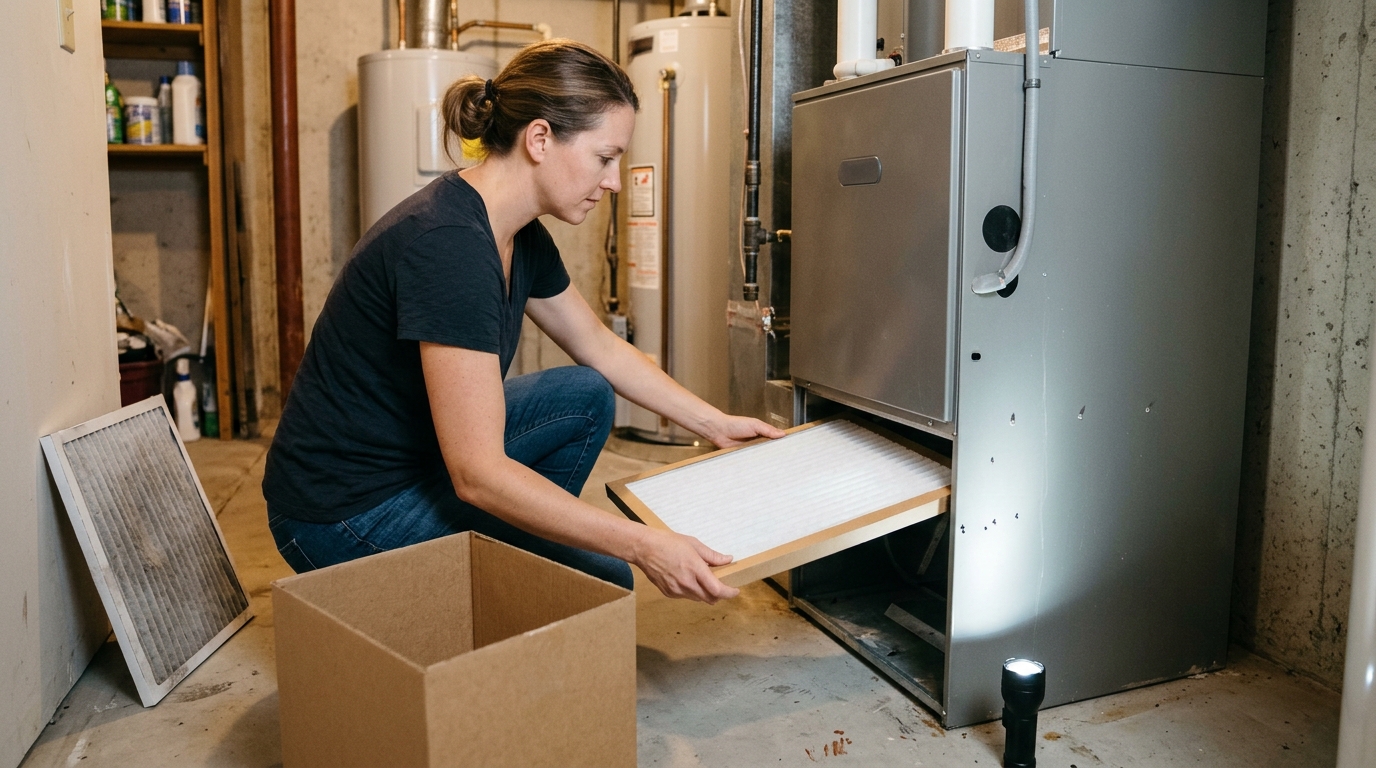
The air filter helps capture particles before they pass through parts of the system. As it collects dust, airflow may become restricted. A dirty filter can affect cooling performance and, depending on the equipment and conditions, contribute to other operating problems. Check the filter according to the manufacturer’s guidance and inspect it more often if the home has unusual dust levels, pets, or heavier use.
Replace a disposable filter with the correct size and type, and follow the instructions for any reusable filter. A filter that does not fit properly may allow air to bypass its intended filtering surface. At the same time, do not assume that a filter with a higher advertised rating is automatically the right choice for every system. The equipment must be able to operate with the filter’s airflow resistance.
If a new filter becomes dirty unusually quickly, consider the surrounding conditions rather than replacing it repeatedly without investigation. Construction dust, open windows, poor filtration fit, or other factors may contribute. If airflow remains weak even after a suitable filter is installed, the cause may lie elsewhere and should be assessed.
Keep vents and the outdoor area clear
Supply and return grilles need unobstructed airflow. Furniture, curtains, rugs, and storage items can block grilles or reduce air movement through a room. Check the accessible vents periodically and avoid closing or covering them as a way to fix a warm room unless the system’s design and instructions specifically support that adjustment. Restricting airflow in one area may affect the system elsewhere.
The outdoor unit needs appropriate clearance so air can move through it. Remove loose leaves and other debris from the surrounding area while staying clear of the fan and electrical compartments. Keep plants, storage items, and other obstructions away from the clearances specified by the manufacturer. Do not open panels or spray water into electrical areas to clean the unit.
If the outdoor coil appears heavily clogged or bent, arrange professional attention rather than attempting aggressive cleaning. Coil fins can be damaged easily, and improper cleaning can affect performance. A qualified technician can determine whether cleaning is needed and choose a method suitable for the equipment.
Watch for drainage and operating changes
Air conditioners remove moisture from indoor air during cooling, and that moisture must drain properly. Check for unexplained water near the indoor equipment, damp ceiling areas below the unit, or a musty smell that begins around the system. These signs do not identify one definite cause, but they can indicate a drainage or moisture problem that should be investigated before property damage spreads.
Pay attention to changes in operating behavior. Longer runtimes, weak airflow, warm air from vents, frequent shutdowns, or new sounds may indicate a problem. A sudden change should not be dismissed simply because the system still switches on. Record when the issue occurs and whether it affects the whole home or particular rooms. That description can help a technician narrow down possible causes.
Stop using the equipment and seek prompt assistance if you notice smoke, a burning electrical smell, repeated breaker trips, severe mechanical noise, or water near electrical parts. Do not keep resetting a breaker or repeatedly restarting a system with unresolved symptoms. Basic maintenance should never require opening electrical compartments or handling refrigerant.
Use the thermostat thoughtfully
Choose a setting that suits household comfort and avoid making frequent large changes in an attempt to force faster cooling. The thermostat tells the system when to operate; it cannot correct an airflow restriction, failed component, or other mechanical problem. If the display appears incorrect or the system does not respond to changes, check the manufacturer’s basic instructions and arrange service if the issue continues.
Schedules can help coordinate operation with when the home is occupied, but they should be configured to suit the household and the equipment. If several people use the same thermostat, agree on settings so that constant adjustments do not obscure an underlying performance issue. If certain rooms remain uncomfortable, consider whether the cause relates to airflow, windows, insulation, or duct layout rather than the thermostat alone.
Know what professional maintenance should include
Internal inspection and testing should be performed according to the equipment type, its condition, and manufacturer recommendations. A professional may inspect coils, electrical components, fans, controls, drainage, refrigerant-system performance, and other relevant parts. The exact scope differs between systems, so ask what is included before the appointment and what would require additional work.
Professional maintenance and repair are different services. Maintenance checks and cares for the system, while repair addresses a confirmed fault. If a technician finds a problem during routine service, ask for an explanation of the evidence and the recommended next step. You should understand which issues are urgent, which can be planned, and which suggestions are optional.
Keep receipts and service notes together. If the same symptom appears later, the record may show whether it has happened before and what was done. It is also useful to keep the model information and manufacturer’s guidance so that filter selection and routine care can be matched to the actual equipment.
Conclusion
Consistent home air conditioner maintenance involves suitable filter care, clear airflow paths, attention to drainage, thoughtful control settings, and professional checks when needed. It should make the system’s condition easier to monitor without encouraging unsafe DIY repairs. Understanding how an air filter works helps explain why correct fit, suitable filtration, and adequate airflow all matter to cooling-system performance.