


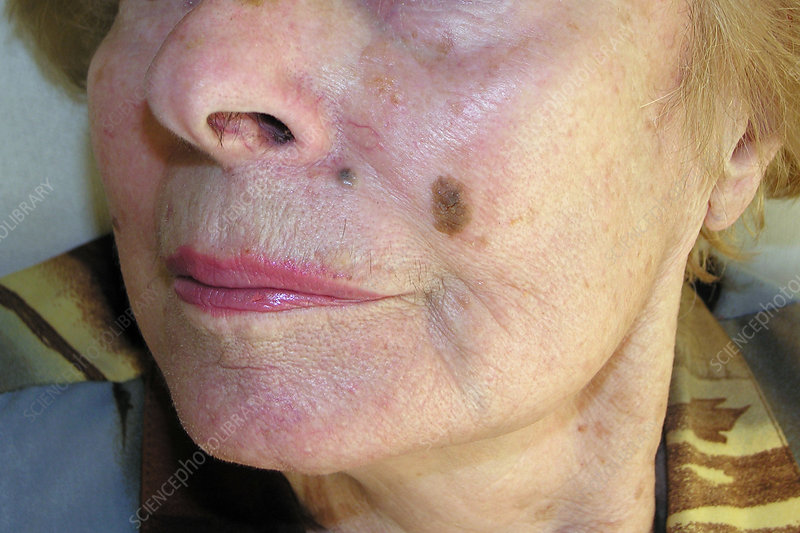

Seborrheic keratosis is a common, non-cancerous skin growth that often appears as people get older. These growths may look brown, black, tan or slightly yellow, and they can have a raised, waxy or rough surface. Although seborrheic keratosis is generally harmless, its appearance may cause concern, especially when new spots develop or existing growths become irritated. Many people search for Natural Seborrheic Keratosis Remedies to learn how to care for their skin, reduce irritation and maintain a healthy appearance without using harsh products.
If you prefer a gentle skincare routine, learning about natural ingredients and safe home-care practices can help you make informed decisions. However, it is important to understand that natural ingredients have not been proven to remove seborrheic keratosis. These growths often require professional treatment if removal is desired. This guide explains what may help, which home remedies require caution, and how to protect your skin while making sensible choices.
What Is Seborrheic Keratosis?
Seborrheic keratosis is a benign skin growth that develops when certain skin cells multiply and form a raised or flat spot. It commonly appears on the face, chest, back, shoulders and other areas of the body, although it does not usually develop on the palms or soles.
The growths can vary in size, texture and colour. Some are smooth and flat, while others have a rough, scaly or waxy surface that appears to be attached to the skin. You may develop one growth or several over time.
Seborrheic keratosis becomes more common with age, particularly after the age of 40. Genetics may also play a role, as these growths can run in families. They are not contagious, and they do not develop because of poor personal hygiene.
Although people often look for Natural Seborrheic Keratosis Remedies, it is essential to distinguish between caring for the surrounding skin and actually removing the growth. Moisturisers and gentle skincare may improve comfort, but they do not reliably eliminate seborrheic keratosis.
Can Natural Seborrheic Keratosis Remedies Remove Skin Growths?
Natural approaches are popular because they may seem gentler, more affordable and easier to use at home. Nevertheless, there is no strong scientific evidence that household ingredients, herbal oils or natural creams can safely remove seborrheic keratosis.
Some products may soften dry skin or reduce friction around a growth. Others may cause irritation, allergic reactions or chemical burns, particularly when applied repeatedly to raised lesions.
When exploring Natural Seborrheic Keratosis Remedies, keep these important points in mind:
- Natural does not automatically mean safe.
- A moisturiser may improve dryness without changing the growth itself.
- Herbal ingredients have not been established as effective treatments for removing these lesions.
- Scraping, cutting or burning a growth at home can cause infection, bleeding and scarring.
- A dermatologist should assess any growth that looks unusual or changes unexpectedly.
The safest approach is to use natural skincare for general skin comfort rather than treating an undiagnosed growth yourself.
1. Gentle Moisturising for Dry or Irritated Skin
Moisturising is one of the simplest ways to support skin comfort. Although it cannot remove seborrheic keratosis, it may help reduce dryness and discomfort around a growth, particularly when clothing or shaving causes friction.
Choose a fragrance-free moisturiser designed for sensitive skin. Products containing glycerine, ceramides or hyaluronic acid can help maintain skin hydration.
How to moisturise safely
- Wash the area gently with lukewarm water and a mild cleanser.
- Pat the skin dry instead of rubbing it with a towel.
- Apply a small amount of fragrance-free moisturiser to the surrounding skin.
- Repeat as needed, following the product instructions.
- Stop using the product if you develop redness, burning or itching.
Avoid vigorous exfoliation, rough sponges and scrubbing brushes over the growth. These actions may damage the surface and cause bleeding.
Among the practical Natural Seborrheic Keratosis Remedies, moisturising is a sensible option for comfort, rather than a method of removing the lesion.
2. Aloe Vera for General Skin Comfort
Aloe vera is commonly used in skincare products because it contains water and compounds that may help soothe certain types of skin irritation. However, evidence supporting its use specifically for seborrheic keratosis is lacking.
If you want to try aloe vera for the surrounding skin, choose a simple, fragrance-free product intended for external use. Check the ingredient list carefully, as some commercial gels contain alcohol, perfume or other ingredients that can irritate sensitive skin.
How to use it cautiously:
- Test a small amount on an unaffected area first.
- Follow the manufacturer’s directions.
- Avoid applying it to broken, bleeding or infected skin.
- Stop immediately if irritation or an allergic reaction develops.
Do not expect aloe vera to flatten a growth, change its colour or make it disappear. It should be considered a skincare ingredient, not a proven treatment for seborrheic keratosis.
3. Coconut Oil and Other Natural Oils
Coconut oil is sometimes recommended online for rough skin, dryness and raised skin growths. Its moisturising properties may help soften dry skin, but there is no reliable evidence that coconut oil removes seborrheic keratosis.
Other oils, including almond oil and olive oil, may also be used as moisturising ingredients. However, individual skin reactions vary, and some oils may aggravate irritation or contribute to clogged pores in people who are prone to acne.
If you use a natural oil:
- Choose a product with a simple ingredient list.
- Apply a small amount to intact skin rather than coating the growth repeatedly.
- Avoid combining it with vinegar, baking soda or other harsh substances.
- Discontinue use if you notice redness, swelling, itching or a rash.
These products may support a basic skincare routine, but they should not be promoted as proven Natural Remedies for Seborrheic Keratosis that eliminate growths.
4. Green Tea and Antioxidant Skincare
Green tea contains polyphenols, including epigallocatechin gallate (EGCG), which have been studied for their antioxidant and anti-inflammatory properties. Some skincare products include green tea extracts to support general skin health.
However, research into green tea and skin health does not establish that green tea treats or removes seborrheic keratosis.
If you prefer antioxidant skincare, look for a commercially formulated product intended for your skin type. Avoid applying concentrated extracts or homemade preparations to an undiagnosed growth.
Green tea can also be enjoyed as part of a balanced diet, but drinking it will not make an existing seborrheic keratosis disappear.
5. Honey and Gentle Skin Care
Honey is used in some skincare preparations because certain types have properties that may be useful in specific wound-care settings. That does not mean ordinary household honey is an effective treatment for seborrheic keratosis.
Applying honey directly to a raised growth has not been shown to remove it. It may also cause irritation, create a sticky surface that attracts dirt, or trigger a reaction in people with sensitivities.
For everyday skin care, a gentle cleanser and a suitable moisturiser are usually more practical choices.
If a growth is bleeding, crusted, painful or damaged, avoid experimenting with homemade preparations. Seek medical advice instead.
6. Healthy Eating for Overall Skin Health
A balanced diet supports general health, including the normal functioning of the skin. However, no particular food or dietary programme has been proven to prevent or remove seborrheic keratosis.
Rather than following restrictive diets or buying expensive supplements, aim for a varied eating pattern.
Useful everyday choices include:
- Fruit and vegetables: Provide vitamins, minerals and antioxidants.
- Whole grains: Supply fibre and several essential nutrients.
- Protein-rich foods: Eggs, beans, lentils, fish and other protein sources help maintain body tissues.
- Nuts and seeds: Provide healthy fats and nutrients.
- Water: Helps maintain normal hydration.
There is no established evidence that eliminating sugar, dairy, gluten or particular food groups will clear these growths. Avoid unnecessary dietary restrictions unless a qualified healthcare professional recommends them for another reason.
Food can support general wellbeing, but it is not a substitute for appropriate skin assessment.
7. Sun Protection and Everyday Skin Care
Sun protection is a useful part of general skin care. Although the precise causes of seborrheic keratosis are not fully understood, sun exposure may play a role in some cases. Protecting your skin also helps reduce the risk of sun damage and certain skin cancers.
Follow these practical habits:
- Use broad-spectrum sunscreen with SPF 30 or higher on exposed skin.
- Reapply sunscreen according to its instructions, especially after swimming or sweating.
- Wear a wide-brimmed hat and protective clothing when outdoors.
- Seek shade during periods of strong sunlight.
- Avoid tanning beds and deliberate tanning.
Sun protection will not remove an existing growth, but it helps protect the surrounding skin and supports long-term skin health.
8. What About Apple Cider Vinegar and Baking Soda?
Apple cider vinegar and baking soda are frequently mentioned in online discussions about home skin treatments. Neither has been established as a safe, effective remedy for seborrheic keratosis.
Apple cider vinegar is acidic. Applying it directly to the skin, particularly under a dressing or for prolonged periods, can cause irritation and chemical burns. Baking soda may disrupt the skin’s natural protective barrier and lead to dryness or inflammation.
Combining these substances does not make them a reliable treatment.
Avoid using the following on suspected seborrheic keratosis:
- Undiluted apple cider vinegar.
- Baking soda pastes.
- Lemon juice or other acidic household ingredients.
- Concentrated essential oils.
- Strong exfoliating acids without professional guidance.
- Products advertised as guaranteed skin-growth removers.
The potential harm outweighs the unproven benefit. A growth that becomes inflamed after a home treatment may be harder to assess accurately.
9. Castor Oil, Tea Tree Oil and Herbal Creams
Castor oil and tea tree oil are popular ingredients in natural skincare discussions. Some people use them in the hope of softening or reducing raised skin growths, but evidence does not demonstrate that they safely remove seborrheic keratosis.
Tea tree oil can cause irritation or allergic contact dermatitis, especially when concentrated or applied to sensitive skin. Castor oil may also trigger reactions in some individuals.
Be cautious with herbal creams that promise to dissolve, burn off or permanently eliminate skin growths. A product labelled natural may still contain irritating ingredients or substances that damage the skin.
If you are considering Natural Seborrheic Keratosis Remedies, assess claims carefully. Look for credible clinical evidence, transparent ingredient lists and appropriate safety information rather than relying on testimonials alone.
10. How Herbal Care Products Fit into a Skin-Care Routine
People who prefer plant-based skincare often look for herbal formulations as part of their daily routine. Herbal Care Products may contain botanical extracts, moisturising oils and other ingredients intended to support general skin comfort.
However, it is important to distinguish between a product that moisturises the skin and one that has been clinically proven to treat a particular condition.
Before choosing an herbal skincare product, consider these points:
- Check the ingredients: Look for a clear ingredient list and avoid products containing substances you know irritate your skin.
- Review the claims: Be cautious of promises that a cream will dissolve seborrheic keratosis overnight or permanently remove every growth.
- Consider your skin type: Fragrance-free formulations may be more suitable for sensitive skin.
- Follow the directions: Do not use a product more frequently than recommended.
- Seek professional advice: Have an unfamiliar or changing growth assessed before applying treatment.
Herbal Care Products may be relevant to a general skincare routine, but their ingredients must be evaluated individually. There is no reliable evidence that herbal products as a category remove seborrheic keratosis.
For a website discussing natural skincare, it is particularly important to provide realistic expectations and avoid presenting unproven remedies as established medical treatments.
11. When Should You See a Dermatologist?
Although seborrheic keratosis is generally harmless, it can resemble other skin conditions, including certain types of skin cancer. You should not assume that every brown, black or raised spot is seborrheic keratosis without an appropriate assessment.
Arrange a medical evaluation if a growth:
- Changes rapidly in size, shape or colour.
- Becomes unusually dark or develops irregular colouring.
- Starts bleeding without an obvious cause.
- Becomes persistently itchy, painful or inflamed.
- Looks different from your other skin growths.
- Appears alongside a sudden increase in the number of new growths.
A dermatologist can usually identify seborrheic keratosis by examining the skin. If the appearance is uncertain, a biopsy or removal for laboratory examination may be necessary.
Seek prompt medical advice for a suspicious or rapidly changing lesion rather than trying several home remedies first.
12. Medical Treatments That Can Remove Seborrheic Keratosis
If a growth bothers you, catches on clothing or affects your confidence, a dermatologist can explain the available treatment options.
Cryotherapy
The clinician applies liquid nitrogen to freeze the growth. The treated area may blister or form a crust before healing. Temporary or permanent changes in skin colour can occur.
Curettage or shave removal
A clinician removes the growth using an appropriate instrument, usually after numbing the area. A sample can be examined when there is concern about the diagnosis.
Electrosurgery
An electrical current destroys the growth, sometimes alongside curettage. The clinician will discuss healing, scarring and pigment changes before treatment.
The appropriate method depends on the size, thickness, location and appearance of the growth, as well as your skin type and medical history. These procedures can be effective, but no treatment guarantees that new growths will not appear elsewhere.
13. A Simple Daily Routine for Healthy Skin
You do not need an elaborate skincare programme to care for skin affected by seborrheic keratosis. A simple, consistent routine is often sufficient to maintain comfort and protect the surrounding skin.
Morning
- Cleanse gently without scrubbing.
- Apply a fragrance-free moisturiser if needed.
- Use broad-spectrum SPF 30+ sunscreen on exposed skin.
Evening
- Remove dirt and sunscreen with a mild cleanser.
- Apply moisturiser to dry or irritated skin.
- Avoid scratching, picking or applying harsh ingredients to growths.
Regular skin checks
- Notice any changes in existing growths.
- Arrange an assessment for new or suspicious lesions.
- Review your skincare products if irritation develops.
This routine will not remove seborrheic keratosis, but it can help maintain healthy skin while you decide whether professional assessment or removal is appropriate.
Frequently Asked Questions
Can natural remedies remove seborrheic keratosis permanently?
No natural remedy has been reliably proven to remove seborrheic keratosis permanently. Moisturisers and gentle skincare can improve comfort, but professional treatment is the established option when removal is needed.
Does aloe vera help seborrheic keratosis?
Aloe vera may be used as a skincare ingredient for general skin comfort, but there is insufficient evidence that it treats or removes seborrheic keratosis.
Is seborrheic keratosis dangerous?
Most seborrheic keratoses are benign and do not require treatment. However, they can resemble skin cancers, so an unusual, changing or bleeding growth should be assessed by a healthcare professional.
Can I use apple cider vinegar to remove a growth?
It is best to avoid this approach. Apple cider vinegar can cause skin irritation and chemical burns, and it has not been established as a safe treatment for seborrheic keratosis.
Do herbal creams work for seborrheic keratosis?
Herbal creams have not been proven as a category to remove these growths. Their effects depend on their individual ingredients, and some may cause allergic reactions or skin damage.
Should I remove seborrheic keratosis if it does not hurt?
Not necessarily. If a clinician confirms that the growth is benign and it causes no discomfort, treatment is often unnecessary. Removal may be considered if it becomes irritated, catches on clothing or bothers you cosmetically.
Conclusion
Natural Seborrheic Keratosis Remedies can be an appealing topic for people who want a gentle approach to skincare. Moisturisers, carefully selected aloe vera products and a consistent sun-protection routine may support general skin health, but none has been proven to eliminate seborrheic keratosis.
Avoid harsh household ingredients, unverified removal creams and attempts to cut, scrape or burn growths at home. These methods can cause injury, infection and scarring, and they may delay the diagnosis of a more serious condition.
If you want a growth removed, consult a qualified dermatologist to confirm the diagnosis and discuss suitable options. A balanced approach combines sensible skincare, reliable medical information and realistic expectations.
The goal is not simply to pursue a natural solution, but to protect your skin and choose care that is safe, appropriate and supported by evidence.