


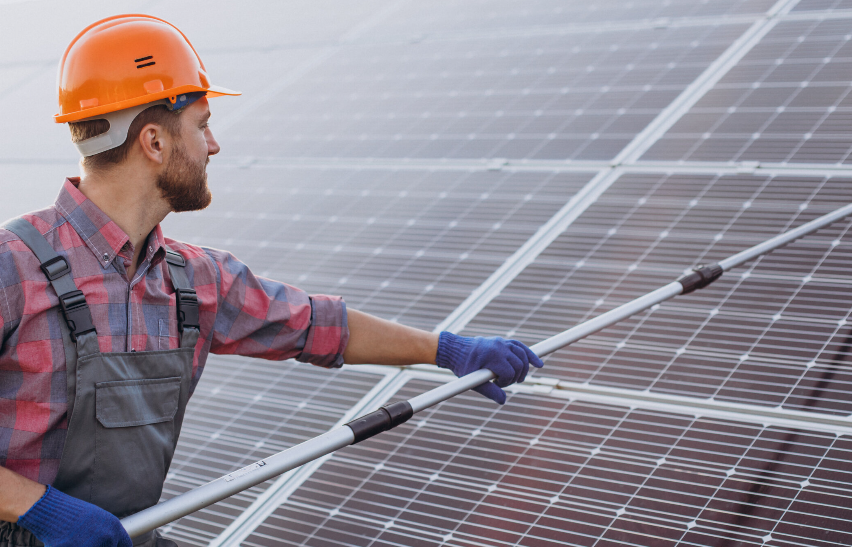

Solar panels are designed to spend years exposed to outdoor conditions, but that exposure also means they naturally collect dust, pollen, bird droppings, leaves, and other debris. When buildup accumulates across the panel surface, it can reduce the amount of sunlight reaching the photovoltaic cells and potentially affect the system’s performance. Regular solar panel cleaning services provide property owners with a practical way to keep panels free from common environmental debris while avoiding the inconvenience and safety concerns associated with cleaning elevated installations themselves.
Maintaining solar panels requires more care than simply spraying water across the surface. Panels are installed in different configurations, roof access can be challenging, and improper cleaning techniques may cause unnecessary damage. A sensible maintenance approach considers the panel condition, installation location, surrounding environment, and appropriate cleaning methods. Understanding why panels become dirty, when they should be cleaned, and how professional maintenance works can help solar system owners make informed decisions.
Why Solar Panels Need Regular Cleaning
Solar panels operate by receiving sunlight, so anything that significantly obstructs their surface can interfere with the amount of light available to the photovoltaic cells. Dust and pollen may create a thin layer across the glass, while bird droppings, leaves, and other debris can create more concentrated areas of obstruction. Properties near busy roads, construction areas, agricultural land, or dusty environments may experience faster accumulation than homes in cleaner surroundings. Rain can remove some loose material, but it does not always eliminate stubborn residue. Routine cleaning can therefore be a useful part of maintaining the physical condition of a solar installation.
What Can Build Up on Solar Panels?
The type and amount of debris found on a solar panel system depend heavily on the property’s surroundings. Dust is one of the most common contaminants and may become more noticeable during dry periods. Pollen can settle on panels during certain seasons, while leaves and small branches may accumulate beneath or around installations. Bird droppings can create concentrated deposits that ordinary rainfall may not completely remove. In some environments, airborne pollutants and mineral-rich water can also contribute to surface residue. Identifying the type of buildup is important because different contaminants may require different cleaning approaches.
How Professional Solar Panel Cleaning Works
Professional cleaning generally begins with an assessment of the installation and its surrounding conditions. The cleaner needs to consider panel placement, roof accessibility, surface condition, weather, and the type of debris present before beginning work. Appropriate tools and cleaning methods can then be selected to remove contamination without unnecessarily stressing the panels or surrounding components. The goal is to clean the panel surface thoroughly while avoiding abrasive materials, excessive force, or unsuitable products. Because solar installations vary considerably, a careful, surface-specific approach is preferable to treating every system in exactly the same way.
When Should Solar Panels Be Cleaned?
Cleaning frequency depends on local conditions rather than a universal timetable. Panels installed in dry, dusty areas may need attention more frequently than those in locations with regular rainfall and limited airborne debris. Properties surrounded by trees may experience additional pollen and leaf accumulation, while installations under frequent bird activity may develop concentrated deposits. Homeowners can monitor the visible condition of their panels and watch for changes in system performance, although performance changes can have many causes and should not automatically be attributed to dirt. Establishing periodic inspections can help determine when cleaning is actually necessary rather than relying exclusively on a fixed schedule.
The Importance of Safe Solar Panel Cleaning
Solar panels are frequently installed on rooftops, carports, or other elevated structures, which can make cleaning a safety-sensitive task. Wet surfaces, sloped roofs, ladders, and limited access can create hazards for people without appropriate equipment and experience. Attempting to reach panels from unstable positions can result in injury or damage to the surrounding property. Professional cleaners can assess access conditions and use suitable equipment for the installation. Homeowners should consider the location of their panels carefully before deciding whether cleaning is a practical DIY task or better handled by an experienced professional.
Choosing the Right Solar Panel Cleaning Services
Selecting a professional provider requires attention to experience, cleaning methods, equipment, communication, and service scope. Solar panels should not automatically be cleaned with the same products or techniques used for windows, siding, or other exterior surfaces. Customers should ask how the provider approaches solar installations and whether the cleaning process is adapted to the panel surface and installation type. It is also useful to understand what preparation is required and whether the provider will inspect the area for obvious access or condition concerns before starting. A transparent service process can help property owners feel more confident that their solar investment is being handled appropriately.
Does Rain Clean Solar Panels?
Rain can provide some natural cleaning, particularly by washing away loose dust and light surface debris. However, rainfall does not necessarily remove bird droppings, sticky residue, pollen buildup, or mineral deposits. In some cases, rainwater can even leave spots behind as water evaporates and dissolved minerals remain on the surface. The effectiveness of natural rainfall also depends on the intensity and frequency of precipitation. For this reason, property owners should not assume that regular rain eliminates the need for all professional maintenance. Visual inspection and consideration of local environmental conditions can help determine whether additional cleaning is worthwhile.
Maintaining Solar Panels Beyond Cleaning
Cleaning is only one part of responsible solar system maintenance. Property owners should also pay attention to visible damage, unusual changes in performance, surrounding vegetation, and anything that may physically obstruct the panels. Trees may need to be managed if branches or excessive shade affect the installation, while nearby construction or landscaping can introduce additional dust. Any electrical or mechanical concerns should be evaluated by appropriately qualified professionals rather than addressed through routine cleaning. Keeping the panels physically clean while paying attention to the broader installation can contribute to a more organized long-term maintenance strategy.
Why Regular Solar Panel Maintenance Can Be Valuable
A solar installation represents a significant investment for many property owners, so protecting its physical condition makes practical sense. Regular maintenance can help identify and address common sources of surface contamination before they become heavily established. Clean panels also provide a clearer surface for visual inspection, making it easier to notice obvious cracks, discoloration, or other visible concerns. While cleaning cannot guarantee a specific energy output or eliminate every potential system issue, it can support general upkeep when performed appropriately. Solar panel cleaning services can be particularly convenient for property owners who have rooftop systems that are difficult or unsafe to access themselves.
Conclusion
Solar panels are built for outdoor use, but exposure to dust, pollen, bird droppings, leaves, and other contaminants means they still require appropriate maintenance. Cleaning should be approached carefully, with attention to the panel surface, installation location, type of buildup, and safety requirements. Property owners should avoid assuming that rain will remove every type of residue and should consider professional help when panels are difficult to reach or require specialized care. By choosing experienced solar panel cleaning services and incorporating cleaning into a broader maintenance routine, homeowners and businesses can keep their installations cleaner, easier to inspect, and better maintained over the long term.