


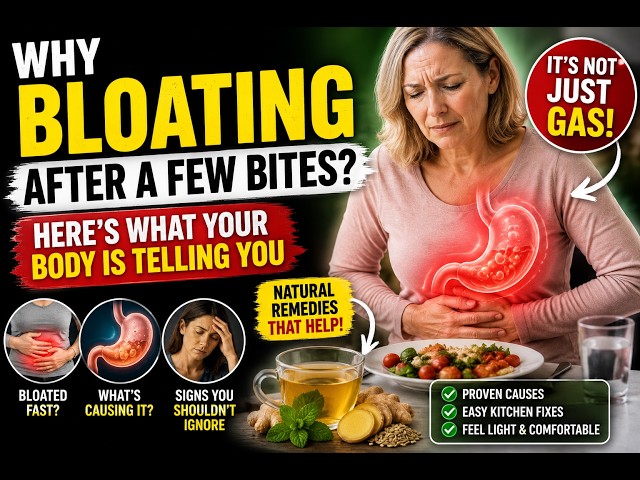

If you often push your plate away after only a few mouthfuls, you are not imagining it. Feeling full unusually quickly is called early satiety, and it can affect your appetite, weight, mood, and overall health. You might worry that something serious is going on. You might also feel frustrated because you want to eat properly but your stomach seems to refuse.
As a clinician working with patients who report digestive symptoms every day, I can tell you this: early satiety has many possible causes. Some are mild and temporary. Others need medical assessment. The key is to recognise patterns, understand what your body may be signalling, and know when to act.
In this article, I will explain why your stomach feels full after just a few bites, what it can mean, when delayed stomach emptying may play a role, and what you can do — including practical home remedies for mild cases.
What Is Early Satiety?
Early satiety means you feel full sooner than expected during a meal. Instead of finishing a normal portion, you feel satisfied — or even uncomfortably bloated — after eating very little.
You might notice:
- Fullness after a few bites
- Bloating or pressure in the upper abdomen
- Nausea during meals
- Loss of appetite
- Unintentional weight loss
- Reflux or burping
If this happens occasionally, it may relate to stress, illness, or a heavy previous meal. If it happens frequently, you need to look deeper.
Common Causes of Feeling Full Quickly
Let’s explore the most common reasons.
1. Indigestion (Dyspepsia)
Indigestion often causes early fullness, upper abdominal discomfort, and burning sensations. It may result from:
- Overeating
- Fatty or spicy foods
- Excess caffeine
- Stress
- Smoking
Your stomach may produce excess acid or struggle to process food efficiently. As a result, you feel pressure sooner than usual.
2. Gastritis (Stomach Inflammation)
Inflammation of the stomach lining can make eating uncomfortable. You may feel:
- Pain or burning
- Nausea
- Early fullness
- Loss of appetite
Common triggers include infection (such as Helicobacter pylori), alcohol, long-term painkiller use (like NSAIDs), or chronic stress.
3. Peptic Ulcers
Ulcers in the stomach or upper small intestine can interfere with normal digestion. Pain may worsen with eating, leading you to stop early.
If you experience black stools, vomiting blood, or severe pain, seek urgent medical help.
4. Irritable Bowel Syndrome (IBS)
IBS affects bowel function and can cause bloating, discomfort, and early satiety. Although IBS mainly affects the lower digestive tract, upper digestive symptoms are common.
5. Anxiety and Stress
Your gut and brain communicate constantly. When you feel anxious, your digestive system slows down. Muscles tighten, and digestion becomes less efficient.
You might notice:
- Reduced appetite
- Nausea during meals
- Tightness in your abdomen
Stress-related early satiety often improves once you address emotional triggers.
6. Hormonal Changes
Pregnancy, thyroid imbalance, and certain metabolic conditions can alter appetite and stomach motility. If fullness appears alongside fatigue, hair changes, or weight shifts, request blood tests.
When Delayed Stomach Emptying May Be Involved
Sometimes your stomach empties food more slowly than it should. Doctors call this gastroparesis.
In healthy digestion, your stomach contracts rhythmically to move food into the small intestine. If those contractions weaken or slow down, food remains in the stomach longer. This leads to:
- Early fullness
- Bloating
- Nausea
- Vomiting undigested food
- Fluctuating blood sugar (especially if you have diabetes)
Diabetes is one of the most common causes of gastroparesis because high blood sugar can damage the nerves that control stomach movement.
Other causes include:
- Viral infections
- Abdominal surgery
- Certain medications (opioids, antidepressants)
- Neurological conditions
If your fullness persists and you also experience nausea or vomiting hours after eating, your GP may arrange tests such as a gastric emptying study.
For more in-depth dietary and supplement support, you may find helpful insights in this article on Natural Supplements for Gastroparesis, especially if symptoms are mild and medically monitored.
Could It Be Something More Serious?
In rare cases, early satiety may signal:
- Stomach cancer
- Pancreatic disease
- Abdominal tumours
- Severe liver disease
Red flag symptoms include:
- Persistent vomiting
- Difficulty swallowing
- Unexplained weight loss
- Blood in stool
- Severe abdominal pain
- Anaemia
If you notice these, seek medical assessment promptly. Early detection matters.
How Doctors Investigate Early Satiety
When you visit your GP, expect questions about:
- Duration of symptoms
- Weight changes
- Medication use
- Alcohol intake
- Stress levels
- Bowel habits
They may recommend:
- Blood tests
- H. pylori testing
- Endoscopy
- Ultrasound scan
- Gastric emptying study
These investigations help rule out structural or inflammatory causes.
Practical Changes You Can Start Today
If your symptoms are mild and no serious cause has been identified, lifestyle adjustments often make a meaningful difference.
1. Eat Smaller, More Frequent Meals
Large portions overwhelm a sensitive stomach. Instead:
- Eat 5–6 small meals daily
- Chew thoroughly
- Eat slowly
- Stop before discomfort begins
2. Choose Easier-to-Digest Foods
Focus on:
- Lean protein (chicken, fish, eggs)
- Soft vegetables
- Cooked rather than raw foods
- Low-fat options
High-fat meals slow stomach emptying and worsen fullness.
3. Sit Upright After Eating
Remain upright for at least 30–60 minutes. This supports gravity-assisted digestion.
4. Reduce Carbonated Drinks
Fizzy drinks increase bloating and pressure.
5. Manage Stress Actively
Breathing exercises, walking, mindfulness, or counselling can improve digestive symptoms.
Gastroparesis Home Remedies for Mild Cases
If delayed stomach emptying contributes to your symptoms and your doctor confirms a mild form, you can support digestion safely at home.
Ginger
Ginger may stimulate gastric contractions. You can:
- Add fresh ginger to hot water
- Use grated ginger in meals
- Take ginger capsules under professional guidance
Peppermint
Peppermint relaxes digestive muscles and may ease bloating.
Gentle Movement After Meals
A slow 10–15 minute walk after eating helps move food along your digestive tract.
Liquid Nutrition
Soups and smoothies often empty faster than solid meals. On days when fullness feels intense, liquid meals can help maintain calorie intake.
Many people also explore Herbal Remedies for Gastroparesis as part of an integrative plan, but always discuss supplements with your healthcare provider first, especially if you take medication.
If you decide to purchase nutritional support products, choose reputable sources such as Organic Vitamins and Supplements Online UK retailers that meet British quality standards.
How Early Satiety Affects Your Nutrition
If you regularly eat too little, you risk:
- Vitamin deficiencies
- Iron deficiency anaemia
- Muscle loss
- Fatigue
- Weakened immunity
If you struggle to meet your calorie needs:
- Add calorie-dense but gentle foods (nut butters, olive oil, yoghurt)
- Blend protein into smoothies
- Consider medically supervised nutritional supplements
Your GP or dietitian can calculate your requirements.
Special Considerations If You Have Diabetes
If you live with diabetes and feel full quickly, pay close attention. Delayed stomach emptying can cause unpredictable blood glucose levels.
You may notice:
- High blood sugar after meals
- Low blood sugar later
- Fluctuations despite stable insulin doses
If this sounds familiar, speak with your diabetes team promptly. Adjustments to medication timing or insulin type may be necessary.
When to Seek Medical Help
Book an appointment if:
- Symptoms last longer than two weeks
- You lose weight without trying
- Eating causes pain
- You vomit regularly
- You feel weak or faint
Seek urgent care if you experience:
- Vomiting blood
- Black stools
- Severe abdominal pain
Your body rarely sends persistent signals without reason. Listen to them.
Emotional Impact of Eating Less
You may feel embarrassed in social settings when you cannot finish meals. Friends or family may comment on your appetite. You might worry constantly about your health.
Digestive symptoms affect quality of life. You deserve support. Share your concerns openly with your healthcare provider.
A Practical Daily Plan
Here is a simple structure you can follow:
Morning
- Small breakfast (porridge or yoghurt)
- Warm ginger tea
Mid-morning
- Snack (banana, soft fruit, handful of nuts)
Lunch
- Lean protein with cooked vegetables
- Sit upright afterwards
Afternoon
- Gentle walk
- Hydrate gradually
Evening
- Small dinner portion
- Avoid lying flat immediately
Track symptoms in a diary. Patterns often reveal triggers.
The Bottom Line
Feeling full after just a few bites can range from harmless indigestion to delayed stomach emptying or more serious disease. Most cases relate to manageable causes such as stress, inflammation, or dietary habits.
If your symptoms persist, worsen, or include warning signs, seek medical evaluation. Early investigation provides reassurance or timely treatment.
In mild cases, small meals, stress management, gentle movement, and carefully chosen supplements can support digestion effectively.
Your stomach is communicating. Pay attention. Act early. And seek professional advice whenever uncertainty remains.