

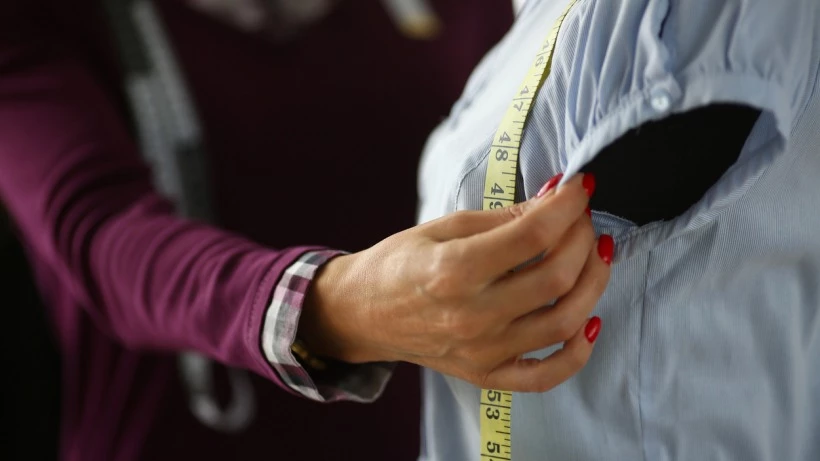

A well-fitting garment can make a noticeable difference in comfort, appearance, and confidence. Even high-quality clothing may not fit perfectly straight from the rack because people have different body proportions, preferences, and styling needs. This is where PROFESSIONAL TAILORING & ALTERATIONS can make a practical difference.
Rather than replacing clothing that feels too loose, too long, or slightly uncomfortable, professional alterations can adjust specific areas while preserving the garment’s original character. From everyday clothing to formalwear, thoughtful tailoring can help transform an ordinary fit into one that feels much more personal.
Why Proper Fit Matters
Fit is about more than simply choosing the right clothing size. Standard sizes are designed around general measurements, while individual body shapes naturally vary. One person may need additional room through the shoulders, while another may require adjustments around the waist, sleeves, or trouser length.
Poorly fitting clothing can affect both appearance and comfort. A jacket that is too long can look unbalanced, while trousers with excess fabric may create an untidy silhouette. Similarly, sleeves that are too short or a shirt that pulls across the chest can make an otherwise attractive garment difficult to wear.
Professional tailoring addresses these details by focusing on the way a garment sits and moves on the individual wearer.
Common Tailoring and Alteration Services
Tailoring needs vary depending on the garment and the desired result. Some adjustments are simple, while others require more specialized techniques and careful construction.
Adjusting Length and Proportions
One of the most common alterations involves changing garment length. Trousers, skirts, dresses, jackets, and sleeves can often be shortened or adjusted to create more balanced proportions.
Length adjustments may seem minor, but they can significantly influence how an outfit looks. The correct trouser break, sleeve length, or dress hem can create a cleaner and more intentional appearance.
Refining the Waist and Fit
Waist adjustments are another frequent tailoring requirement. Clothing may fit well in one area but feel loose around the waist. A tailor can carefully reshape the garment to create a more comfortable and streamlined fit.
Depending on the construction, alterations may involve taking fabric in, letting it out where possible, or modifying specific seams. The goal is not simply to make clothing smaller but to maintain its overall structure.
Sleeves, Shoulders, and Garment Structure
Jackets, coats, and other structured pieces require particular attention because their construction is more complex. Sleeve adjustments, shoulder fitting, and changes around the chest can affect how the entire garment hangs.
For these pieces, professional workmanship is especially valuable because an alteration needs to work with the existing pattern, lining, seams, and finishing details.
When Should You Choose Professional Alterations?
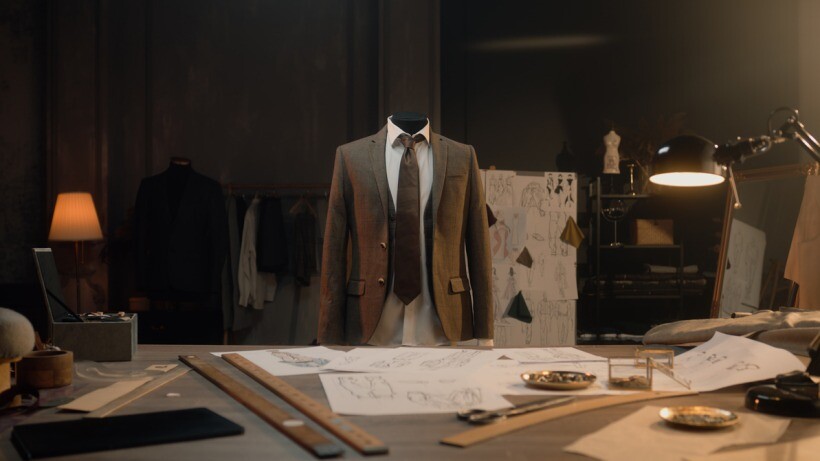
Not every garment needs extensive tailoring. However, professional alterations can be worthwhile when clothing has a good fabric, construction, or sentimental value but does not fit correctly.
It may also make sense when purchasing formal clothing, workwear, suits, dresses, or other garments where precise fit is particularly important.
Before an alteration begins, it is useful to explain how you want the garment to fit. Do you prefer a relaxed silhouette or a more fitted appearance? Do you need greater freedom of movement? Clear communication helps the tailor understand the intended result.
Choosing the Right Tailoring Service
Quality tailoring involves more than simply sewing fabric together. A skilled professional considers the garment’s construction, fabric behavior, existing seams, proportions, and the wearer’s preferences.
Experience is particularly important when working with delicate fabrics, structured garments, lined pieces, or detailed clothing. Good tailoring should look natural rather than making the alteration obvious.
If you are exploring professional services for improving the fit and finish of your wardrobe, Stych Oxnard provide a useful reference for understanding what professional garment adjustments can involve.
How to Prepare for an Alteration
A little preparation can make the fitting process easier. Bring the shoes or accessories you normally intend to wear with the garment when appropriate, particularly when adjusting trousers, dresses, or formal clothing.
It is also helpful to wear suitable undergarments during a fitting because they can affect how clothing sits on the body. Most importantly, communicate any areas that feel uncomfortable or restrictive.
Rather than focusing only on appearance, consider movement as well. A garment should allow you to sit, walk, reach, and move naturally unless the design intentionally requires a more structured fit.
Extending the Life of Your Wardrobe
Professional alterations can also support a more practical approach to clothing. Instead of discarding garments simply because they no longer fit properly, adjustments may allow them to remain useful.
Changes in personal style, body proportions, or clothing preferences do not necessarily mean that an entire wardrobe needs to be replaced. In many cases, thoughtful alterations can give existing pieces a renewed purpose.
This approach can be particularly valuable for well-made garments where the fabric and construction remain in good condition.
Final Thoughts
PROFESSIONAL TAILORING & ALTERATIONS can turn clothing that feels almost right into garments that are more comfortable, balanced, and suited to the wearer. Whether the adjustment involves length, waist, sleeves, or a more detailed structural change, precision and experience matter.
The best alterations preserve the original character of a garment while making it work better for the person wearing it. With careful fitting, clear communication, and skilled workmanship, tailoring can help create a wardrobe that feels more comfortable and genuinely personal.