


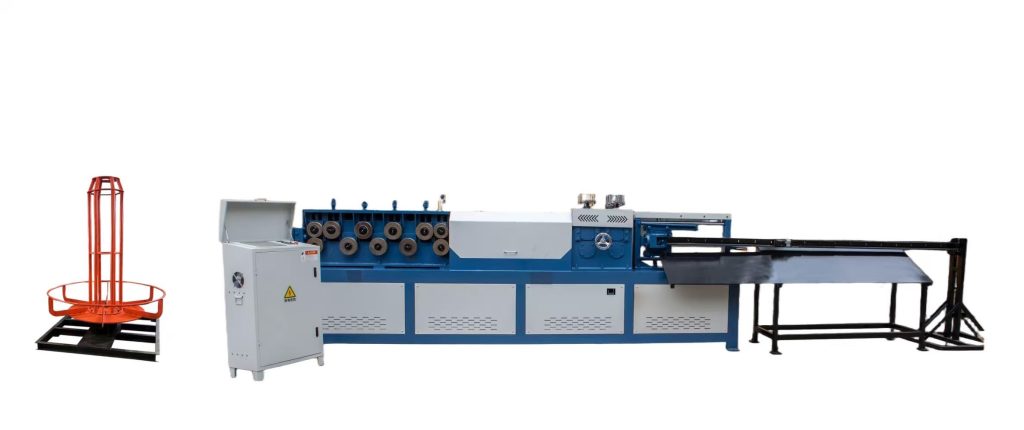

Reinforcing steel is an essential material in construction, and preparing it correctly is important for achieving efficient and organized fabrication. Bent, coiled, or uneven reinforcement material may require straightening before it can be processed for different structural applications. Modern processing equipment provides a practical solution for this challenge, and a rebar straightener can help contractors and steel fabricators improve their workflow and production consistency.
Traditional straightening methods can require considerable manual effort, particularly when large quantities of reinforcement steel need to be prepared. Workers may need to handle individual bars repeatedly, which can consume valuable time and produce inconsistent results. Mechanized straightening equipment can streamline this process by providing controlled and continuous processing, helping businesses handle larger workloads more efficiently.
Accuracy is one of the most important considerations in rebar preparation. Straight reinforcement is often required before cutting, bending, or other fabrication operations can take place. Uneven material can make subsequent processing more difficult and may affect the consistency of finished components. Using dedicated straightening equipment can help produce more uniform steel that is easier to process according to project requirements.
Production efficiency is another significant benefit. Manual straightening can become increasingly slow as order volumes rise. Automated machinery can process reinforcement more systematically, allowing operators to spend less time performing repetitive physical tasks. Faster preparation can help fabrication businesses maintain smoother production schedules and respond more effectively to construction demands.
Material utilization also plays an important role in efficient steel processing. Improper handling or repeated manual adjustments can contribute to unnecessary material waste. Controlled straightening operations can help reduce processing errors and improve the overall use of available reinforcement steel. Better material management can support cost control and make production operations more predictable.
Modern straightening technology can also contribute to a more organized workplace. Instead of requiring employees to repeatedly straighten steel manually, businesses can assign operators to monitor equipment, manage production settings, inspect processed material, and maintain quality standards. This can create a more systematic workflow while reducing some of the repetitive demands associated with traditional processing methods.
Another advantage of dedicated rebar processing equipment is its ability to support downstream fabrication. Once reinforcement steel has been properly straightened, it can be prepared for additional operations such as cutting, bending, or forming. Consistent straightening can therefore serve as an important first step in an efficient reinforcement production line.
Businesses should carefully evaluate their requirements before selecting straightening equipment. Factors such as the diameter and type of steel, expected production volume, required processing speed, workspace, and level of automation should be considered. Choosing machinery that matches actual production needs can help companies achieve reliable performance without creating unnecessary operational complexity.
For construction contractors, reinforcement suppliers, and steel fabrication businesses, improving the initial stages of rebar processing can have a positive effect on the entire production workflow. A rebar straightener can help improve straightening consistency, reduce repetitive manual work, support better material utilization, and prepare reinforcement steel efficiently for subsequent fabrication processes. By adopting dependable processing technology, businesses can create a more productive operation while meeting the growing demands of modern construction projects.