



A properly installed roof is one of the most important investments a homeowner can make in protecting a property. Asphalt shingles remain a practical choice for many residential roofs because they offer a balance of affordability, appearance, availability, and performance. However, installing a shingle roof in Central Texas requires more than placing new materials over an existing surface. Austin’s intense sunlight, high temperatures, heavy rainfall, strong winds, and occasional hail can place significant demands on roofing materials. For homeowners considering asphalt shingle roof installation in Austin, understanding the installation process and the factors that affect long-term performance can make it easier to choose appropriate materials and qualified workmanship.
A successful roofing project starts well before the first shingle is installed. The condition of the roof deck, ventilation, underlayment, flashing, drainage, roof slope, and existing roofing layers all influence the finished system. Homeowners also need to consider the type and quality of shingles, installation specifications, expected maintenance, and the property’s exposure to severe weather. Taking time to understand these details can help prevent premature problems and provide a more reliable roof for years to come.
Why Asphalt Shingles Work Well for Many Austin Homes
Asphalt shingles are widely used on residential properties because they can accommodate a broad range of architectural styles while offering multiple price and performance options. Traditional three-tab shingles provide a straightforward, economical solution, while architectural shingles offer a dimensional appearance and generally provide enhanced performance characteristics. Higher-performance products may also incorporate features designed to improve resistance to impact, algae growth, or severe weather. The best choice depends on the property’s design, budget, roof slope, local conditions, and the homeowner’s expectations for longevity. Rather than choosing shingles based solely on appearance or initial price, homeowners should consider how the complete roofing system will perform under Austin’s combination of heat, sunlight, rain, wind, and storm activity.
Preparing the Roof Before Installation
Proper preparation is essential because new shingles cannot compensate for problems underneath them. Before installation begins, the existing roofing should be evaluated to determine whether the roof deck is sound and capable of supporting the new system. Damaged, weakened, or moisture-affected decking may need to be repaired or replaced before the new covering is installed. Contractors should also examine flashing around chimneys, vents, skylights, walls, and other penetrations because these locations are common areas for water intrusion. Ventilation deserves particular attention in Austin’s warm climate. An appropriately designed attic ventilation system can help manage heat and moisture while supporting the overall performance of the roofing assembly. Removing unsuitable old materials can also provide the contractor with a clearer view of the deck and allow hidden issues to be addressed before they become problems beneath the new roof.
Selecting the Right Asphalt Shingles
Not all asphalt shingles provide the same level of performance, and homeowners should compare products based on more than color and appearance. Architectural shingles are often attractive to homeowners seeking a more substantial profile and enhanced weather performance, while impact-resistant products may be worth considering in areas exposed to hail. Product specifications should be reviewed alongside the manufacturer’s installation requirements, including wind ratings, fire classifications, warranty conditions, and recommended fastening methods. Color can also influence how a roof looks and responds to sunlight, so homeowners may want to balance aesthetic preferences with the property’s climate and design. A reputable contractor should explain the differences between available products without pushing the most expensive option. The goal is to select a shingle that provides an appropriate combination of performance, appearance, budget, and expected service life.
The Installation Process
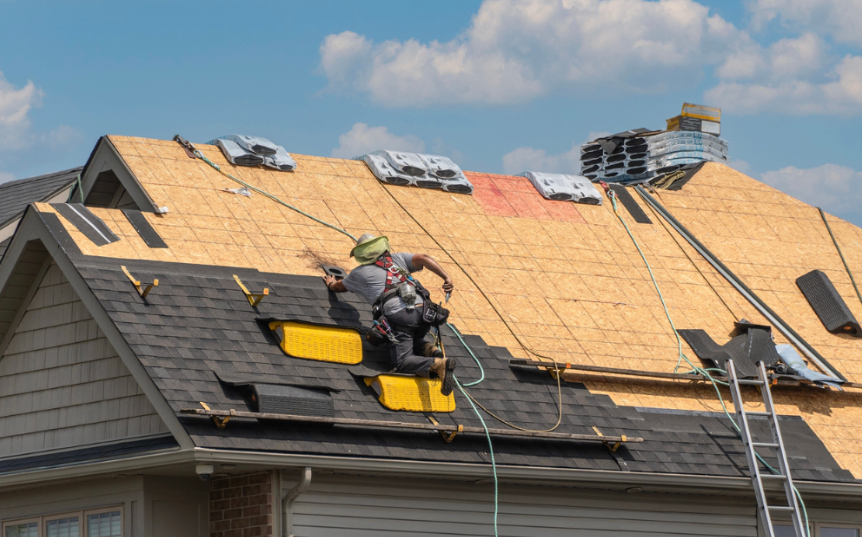
A professional installation involves several carefully coordinated stages rather than simply attaching shingles to the roof. After preparation and any necessary deck repairs, the contractor installs the appropriate underlayment and protective materials in accordance with applicable requirements and manufacturer specifications. Drip edges and flashing are positioned to help direct water away from vulnerable areas, while valleys receive particular attention because they carry substantial amounts of runoff during rain. Starter materials are then installed along appropriate roof edges before the field shingles are placed in properly aligned courses. Correct nail placement and fastening are critical because inadequate or misplaced fasteners can affect wind resistance and create pathways for water intrusion. Ridge and hip areas require appropriate finishing materials, and penetrations must be flashed carefully. Once the installation is complete, the contractor should inspect the finished roof and clean the property of roofing debris and discarded materials.
Austin Weather and Roof Performance
The local climate should influence both roofing material selection and installation practices. Austin’s strong summer sun can accelerate the aging of exposed roofing materials, while repeated temperature changes place additional stress on roofing components. Severe thunderstorms can introduce wind-driven rain and hail, creating another layer of risk for residential roofs. These conditions make installation quality especially important. A roof with improperly secured shingles, inadequate flashing, poor ventilation, or insufficient attention to drainage may experience problems sooner than an otherwise comparable system installed correctly. Homeowners should therefore ask contractors how their installation approach accounts for local weather conditions. Selecting products with appropriate performance characteristics can also be valuable, particularly for properties that have experienced storm damage in the past.
Ventilation, Underlayment, and Flashing Matter
The visible shingles receive most of the homeowner’s attention, but several less noticeable components are equally important to roof performance. Underlayment provides an additional protective layer beneath the shingles, while flashing helps prevent water from entering around transitions and penetrations. Proper ventilation helps manage conditions within the attic and can support the durability of the roof assembly. These components must work together rather than being treated as optional additions. Poorly installed flashing can cause leaks even when the shingles themselves are in excellent condition, while inadequate ventilation can contribute to unwanted heat and moisture conditions. During an installation project, homeowners should ask for an explanation of the complete roofing assembly instead of focusing exclusively on the shingle brand or surface appearance.
How Much Does Installation Cost?
The cost of a new asphalt shingle roof varies considerably from one property to another. Roof size is only one factor; pitch, complexity, accessibility, existing roofing layers, decking condition, material selection, flashing requirements, ventilation improvements, and disposal can all affect the final price. A simple roof with limited penetrations may require less labor than a complex roof containing multiple slopes, valleys, dormers, skylights, or other architectural features. Homeowners should obtain a detailed written estimate that separates the primary scope of work from potential additional costs. Extremely low estimates deserve careful examination because they may exclude important preparation or replacement work. A fair comparison should consider the complete system, workmanship, warranty terms, materials, cleanup, and expected maintenance rather than focusing exclusively on the initial price.
Choosing a Qualified Roofing Contractor
The contractor can be just as important as the roofing material itself. Homeowners should look for appropriate insurance, relevant local experience, knowledgeable crews, clear contracts, and a willingness to explain the proposed installation. It is useful to ask whether the contractor follows manufacturer specifications and applicable building requirements, how unexpected decking damage will be handled, and what workmanship coverage is included. Communication is another important consideration. A professional roofer should clearly explain what will happen before, during, and after installation and should not pressure a homeowner into purchasing unnecessary upgrades. For homeowners comparing asphalt shingle roof installation in Austin, evaluating the contractor’s process and attention to detail can provide more useful information than relying on an estimate alone.
Maintaining a Newly Installed Shingle Roof
Even a well-installed roof benefits from regular maintenance. Homeowners should periodically check for obvious signs of deterioration from the ground and arrange professional inspections when appropriate, particularly after significant storms. Gutters and drainage pathways should remain clear so that rainwater can move efficiently away from the roof. Branches that rub against roofing materials should also be addressed because repeated contact can cause unnecessary wear. Interior warning signs, including unexplained ceiling stains or attic moisture, should be investigated promptly. Keeping records of the installation date, shingle specifications, warranties, inspections, and repairs can also simplify future maintenance. Proactive attention does not eliminate every roofing problem, but it can help homeowners identify developing concerns before they become larger and more expensive issues.
Conclusion
A successful asphalt shingle roof installation in Austin depends on much more than selecting attractive shingles. The roof deck must be sound, underlayment and flashing must be properly installed, ventilation and drainage should be considered, and every shingle should be fastened according to appropriate installation requirements. Austin’s heat, intense sunlight, rainfall, wind, and hail make quality workmanship particularly important for long-term roof performance. Homeowners should compare roofing products carefully, obtain detailed estimates, verify contractor qualifications, and prioritize complete system installation over short-term savings. With the right materials, professional installation, and consistent maintenance, an asphalt shingle roof can provide dependable protection while complementing the appearance and value of an Austin home.