


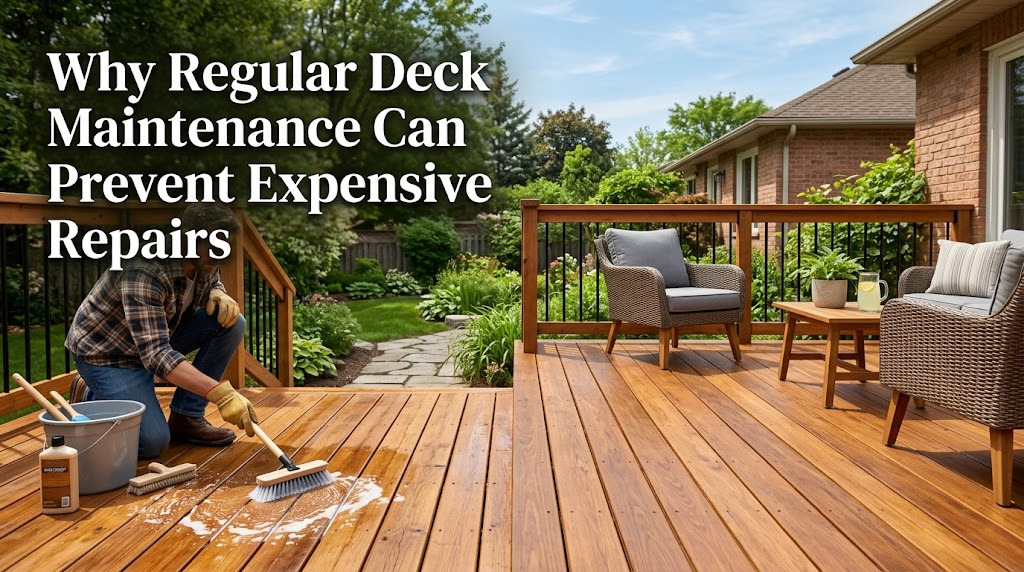

A deck can be one of the most enjoyable parts of a home. It gives you a place to relax, entertain guests, enjoy a morning coffee, or spend time outdoors with family. But because decks are constantly exposed to sunlight, rain, snow, humidity, and temperature changes, they naturally experience wear and tear. Without regular maintenance, small problems can quickly become major structural or cosmetic issues. The good news is that routine deck care does not have to be complicated. A little attention throughout the year can protect the wood, extend the life of your deck, and help you avoid expensive repairs later.
For homeowners who notice loose boards, discoloration, cracks, or early signs of rot, addressing the problem promptly is important. Professional Deck Repair in Greenville can help identify damage before it spreads and determine whether a simple repair or more extensive work is necessary. More importantly, regular maintenance can reduce the likelihood of reaching that point in the first place. Understanding what your deck needs and when it needs it is one of the best ways to protect your investment.
How Regular Maintenance Protects Your Deck
Deck maintenance is essentially preventative care. Instead of waiting until something breaks, you regularly inspect and maintain the parts that are most vulnerable to damage.
Wood is particularly sensitive to moisture. When water gets absorbed into untreated or damaged wood, it can create conditions where rot and fungal growth develop. Repeated cycles of getting wet and drying out can also cause wood to expand, shrink, crack, and weaken.
Regular cleaning, sealing, staining, and inspections help reduce these problems. They also give you an opportunity to spot early warning signs before they turn into expensive repairs.
Small Problems Rarely Stay Small
A slightly cracked deck board may not seem urgent. However, water can enter the crack and gradually worsen the damage. A loose fastener can allow movement, which puts additional stress on nearby boards and connections. A small area of rot can spread into surrounding wood if the underlying moisture problem is ignored.
Taking care of these issues early is usually easier and less expensive than replacing multiple damaged components later.
Moisture Is One of the Biggest Threats to a Deck
Water is one of the primary causes of wood deck deterioration. Rain, snow, humidity, and standing water can all contribute to damage.
Pay attention to areas where water tends to collect. Leaves and debris can trap moisture against the surface, while clogged spaces between boards can prevent proper drainage. Wood that remains damp for extended periods is more vulnerable to rot.
Keeping your deck clean allows water to drain properly and helps the wood dry more quickly after rain. It is a simple maintenance habit that can make a significant difference over time.
Cleaning Helps Prevent Long-Term Damage
Routine cleaning is more than an aesthetic task. Dirt, leaves, pollen, algae, and other debris can hold moisture against the wood and contribute to deterioration.
Sweep the deck regularly, particularly during seasons when leaves and branches accumulate quickly. Clean the surface when necessary using an appropriate deck-cleaning method. Avoid overly aggressive pressure washing, which can damage wood fibers and leave the surface rough or vulnerable.
After cleaning, allow the deck to dry thoroughly before applying any protective product.
Sealing and Staining Add an Extra Layer of Protection
A quality deck sealer or stain can help protect wood from moisture and sunlight. Depending on the product and environmental conditions, protective coatings may need to be reapplied periodically.
Before sealing or staining, inspect the deck carefully. Applying a coating over damaged, dirty, or damp wood does not solve the underlying problem. In fact, it can sometimes make it harder to notice developing damage.
Choose a product appropriate for your deck material and follow the manufacturer’s preparation and application instructions. If you’re unsure what type of coating your deck needs, professional advice can help prevent an unsuitable product from causing problems.
Regular Inspections Can Catch Structural Problems Early
One of the most valuable maintenance habits is a thorough inspection. You do not need to be a construction expert to notice many common warning signs.
Look for:
- Cracked, split, or soft deck boards
- Loose or missing fasteners
- Rusted nails or screws
- Wobbly railings
- Rot around posts or support areas
- Sagging sections
- Excessive movement when walking
- Damaged stairs or stringers
- Water pooling around the deck
- Dark or discolored areas that remain damp
Pay special attention to structural components, including posts, beams, joists, ledger connections, and stairs. Surface damage may be easy to see, but hidden structural deterioration can be more serious.
Why Prompt Repairs Save Money
When maintenance reveals a problem, fixing it promptly can prevent the damage from spreading.
For example, replacing one deteriorated board is generally much simpler than rebuilding a section of decking after moisture has damaged several boards and supporting components. Similarly, tightening or replacing a loose connection early may prevent excessive movement and additional wear.
If a problem is beyond a simple DIY repair, contacting a deck repair service in Valhalla can help you determine the extent of the damage and the most practical repair approach. The goal is not always to replace everything. In many cases, targeted repairs can preserve the usable parts of a deck while addressing the damaged areas.
Keep Vegetation and Debris Under Control
Plants growing too close to a deck can create moisture and airflow problems. Leaves, branches, soil, and other debris can accumulate underneath or between deck components, creating damp conditions.
Trim nearby vegetation when necessary and keep the area underneath the deck reasonably clear. Good airflow helps moisture evaporate and makes it easier to inspect the structure.
Also check where downspouts and drainage systems direct water. A downspout that repeatedly sends water toward the deck can contribute to premature deterioration.
Pay Attention to Your Deck’s Age
Every deck has a useful lifespan, but the actual lifespan depends on materials, construction quality, climate, maintenance, and how heavily it is used.
Older decks deserve more frequent inspections because components may naturally become weaker over time. If your deck has been exposed to years of weather without consistent maintenance, do not assume that a fresh coat of stain will solve every problem.
An older deck should be evaluated for both cosmetic and structural condition. Knowing when repairs are needed can help you plan expenses instead of dealing with an unexpected major failure.
Create a Simple Maintenance Schedule
You do not need to spend every weekend working on your deck. A simple schedule can make maintenance manageable.
Spring
Inspect the deck after winter for cracks, loose boards, damaged railings, and signs of moisture damage. Remove accumulated debris and clean the surface.
Summer
Watch for fading, drying, cracking, and excessive sun exposure. Check areas that receive heavy foot traffic and inspect railings and stairs regularly.
Fall
Remove leaves and organic debris frequently. Make sure drainage remains clear before heavy rain or winter weather arrives.
Before Winter
Complete necessary repairs and ensure the deck is clean and adequately protected. Address moisture problems rather than allowing them to continue through the colder months.
Know When DIY Maintenance Is Not Enough
Routine maintenance is something many homeowners can handle, but not every deck problem should be treated as a DIY project.
If you find extensive rot, unstable railings, significant structural movement, damaged support posts, deteriorated beams, or problems around the ledger connection, professional evaluation is a safer choice.
Structural repairs require more than replacing a visible board. The underlying cause needs to be identified so that the repair actually restores the deck’s strength and stability.
Prevention Is Usually Cheaper Than Replacement
The biggest financial benefit of regular deck maintenance is prevention. Spending time on cleaning, inspections, drainage, and protective treatments can help extend the useful life of your deck.
Think of maintenance as an investment rather than an expense. A few hours spent identifying and correcting minor issues can potentially prevent a much larger repair bill later.
It also helps preserve the appearance of your outdoor space. A well-maintained deck is more inviting, easier to enjoy, and less likely to develop the neglected appearance that comes with widespread staining, cracking, and deterioration.
Final Thoughts
A deck does not usually become unsafe or severely damaged overnight. Problems often develop gradually, starting with moisture exposure, minor cracks, loose fasteners, or neglected surfaces. Regular maintenance gives homeowners a chance to catch those warning signs while they are still manageable. By keeping the deck clean, protecting exposed wood, checking structural components, maintaining drainage, and addressing problems promptly, you can significantly reduce the risk of expensive repairs.
Most importantly, do not wait for a damaged board or unstable railing to become an obvious problem. Consistent care can extend the life of your deck and help you enjoy it with greater confidence. When professional assistance is needed, JLL Painting can be a helpful resource for maintaining and improving the condition of your outdoor wood surfaces.
Frequently Asked Questions
1. How often should I inspect my deck?
A deck should receive a basic visual inspection at least twice a year, ideally in spring and fall. Additional checks are worthwhile after severe storms or when you notice changes such as loose boards, unusual movement, or water damage.
2. What are the first signs of wood deck rot?
Common signs include soft or spongy wood, dark discoloration, cracking, crumbling areas, and sections that feel unusually weak when pressed. Rot can also occur around fasteners and areas where water collects.
3. Does staining a deck prevent wood rot?
Staining can help protect wood from moisture and weather exposure, but it is not a substitute for maintenance or repairs. Damaged wood should be addressed before applying stain or another protective coating.
4. When should I hire a professional for deck repairs?
Consider professional help when you find extensive rot, unstable railings, damaged support posts, sagging areas, deteriorated joists or beams, or problems with major structural connections. These issues can affect safety and may require specialized repair work.