




Vinegar is one of the most versatile ingredients in the kitchen. A small amount can transform the taste of a dish by adding brightness, acidity, depth, and balance. From salad dressings and marinades to sauces, pickles, soups, and everyday meals, the right vinegar can make simple ingredients taste more vibrant. Choosing high-quality vinegar for cooking is therefore an important step for anyone who wants to improve the flavor and consistency of homemade food.
While many types of vinegar are available, they are not all the same. Their flavor, aroma, acidity, production method, and ingredients can vary considerably. Understanding these differences makes it easier to select a vinegar that complements your recipes rather than overpowering them.
Why High-Quality Vinegar Matters
Quality vinegar offers more than just sourness. Well-produced vinegar can provide a balanced combination of acidity, aroma, and flavor. This balance is particularly important when vinegar is used as a primary ingredient in dressings, sauces, marinades, or finishing preparations.
Lower-quality products may have an overly sharp or artificial taste, which can dominate delicate ingredients. A carefully produced vinegar, on the other hand, can add complexity while allowing other flavors to remain noticeable.
The ideal vinegar depends on the dish. A mild vinegar may work beautifully in a fresh salad, while a stronger variety can be better suited to marinades or hearty sauces. Exploring different options can help home cooks discover new flavor combinations.
Common Types of Cooking Vinegar
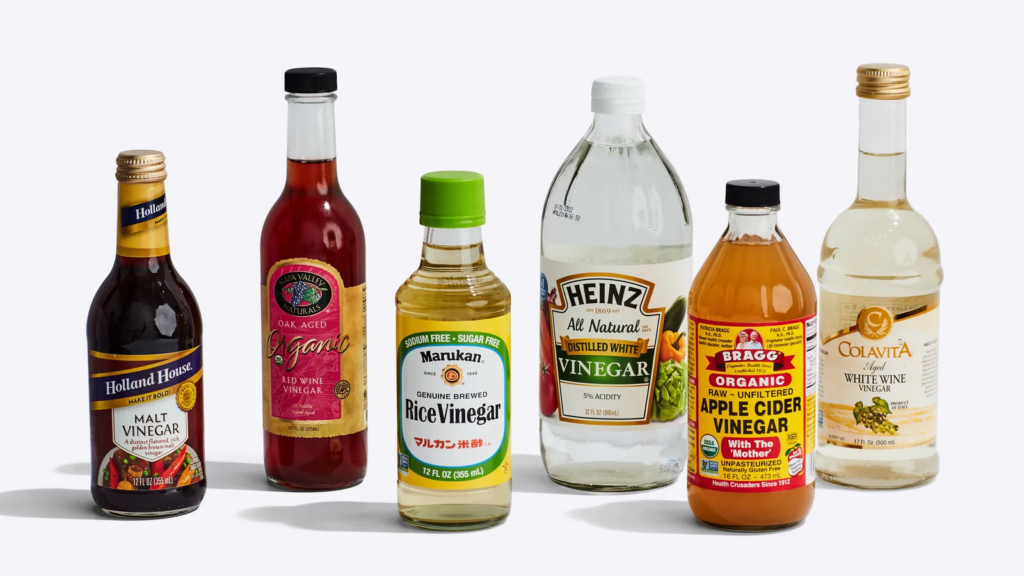
There are numerous varieties of vinegar, each with its own culinary personality. White vinegar has a strong, clean acidity and is often used for pickling, sauces, and recipes where a noticeable color change is undesirable.
Apple cider vinegar has a fruity, slightly mellow character that works well in salad dressings, marinades, sauces, and many everyday recipes. Its approachable flavor makes it a popular choice for home kitchens.
Red wine and white wine vinegars are frequently used in Mediterranean-inspired cooking. They can bring acidity and depth to vinaigrettes, sauces, vegetables, and meat marinades.
Balsamic vinegar is known for its rich, sweet-tart profile. It can be incorporated into dressings and sauces or drizzled over vegetables and other finished dishes.
Rice vinegar is generally milder and is commonly associated with Asian-inspired recipes. It can be useful in dressings, dipping sauces, stir-fry preparations, and rice-based dishes.
How Vinegar Enhances Flavor
One of vinegar’s greatest strengths is its ability to balance a dish. Foods can sometimes taste heavy, rich, flat, or overly sweet. A carefully measured amount of vinegar can provide the acidity needed to bring those flavors into harmony.
For example, a creamy dressing can benefit from a splash of vinegar because acidity cuts through richness. Similarly, a sweet sauce can become more balanced when a tart element is introduced.
Vinegar can also make herbs and spices more noticeable. This is especially useful when preparing marinades and dressings. Rather than simply adding sourness, quality vinegar can help create a more rounded flavor profile.
Introduction to Spices: Natural Flavour Boosters
Understanding vinegar becomes even more useful when it is combined with herbs and spices. Introduction to Spices: Natural Flavour Boosters highlights how natural seasonings can add aroma, warmth, color, and character to everyday cooking.
Spices such as black pepper, cumin, paprika, coriander, turmeric, cinnamon, and chili can dramatically change the personality of a dish. When paired thoughtfully with vinegar, they can create balanced marinades, dressings, sauces, and pickling liquids.
For example, apple cider vinegar can pair well with herbs and warming spices in marinades, while rice vinegar can complement ginger, garlic, and other aromatic ingredients. The goal is to use acidity and seasoning together so that neither element overwhelms the dish.
Choosing the Right Vinegar
When shopping for vinegar, consider the intended use first. If you frequently prepare salads, a flavorful wine vinegar or apple cider vinegar may be useful. For pickling, a clean and consistent vinegar is often preferable. If you enjoy making sauces and marinades, keeping several varieties available can provide greater flexibility.
Read the ingredient label and look for a product that suits your taste and cooking needs. Aroma and flavor are also important. When possible, tasting different varieties can help you understand their differences and determine which ones work best with your favorite recipes.
Storage should also be considered. Vinegar generally has a long shelf life, but it is still sensible to follow the manufacturer’s storage instructions and keep bottles properly sealed.
Cooking with Vinegar
Vinegar can be introduced at different stages of cooking. Adding it early allows its acidity to become integrated with other ingredients, while adding a small amount near the end can provide a brighter, fresher taste.
In marinades, vinegar can contribute acidity alongside oil, herbs, spices, and other seasonings. In salad dressings, it provides the tart component that balances oil. In sauces, it can help prevent sweetness or richness from becoming overwhelming.
The key is moderation. Vinegar is powerful, so adding a little at a time allows you to control the final flavor. You can always add more, but it is much harder to correct a dish that has become excessively acidic.
Vinegar for Pickling and Preservation
Vinegar has long been valued for pickling. Its acidity contributes to the distinctive taste and preservation process of many pickled foods. From cucumbers and onions to carrots and other vegetables, vinegar-based pickling liquids can create crunchy, tangy additions to meals.
Different vinegars produce different results. White vinegar can provide a sharper, cleaner flavor, while apple cider vinegar can introduce fruity notes. Choosing the right variety allows cooks to customize the final taste.
For food safety, however, always follow a tested pickling recipe and use the specified vinegar acidity rather than improvising preservation methods.
Making Everyday Meals More Flavorful
You do not need complicated recipes to benefit from high-quality vinegar. A simple roasted vegetable dish can become more interesting with a light drizzle of balsamic vinegar. A basic green salad can be elevated with a homemade vinaigrette. A marinade made with vinegar, oil, garlic, herbs, and spices can add depth to proteins and vegetables.
Vinegar is also useful when cooking grains, beans, soups, and sauces. A small finishing splash can sometimes make the flavors taste brighter and more complete.
Final Thoughts
Choosing high-quality vinegar for cooking is a simple way to improve everyday meals. With different varieties offering distinct levels of acidity, sweetness, aroma, and complexity, vinegar provides endless opportunities for experimentation.
Whether you are preparing a fresh salad, flavorful marinade, homemade sauce, or pickled vegetables, the right vinegar can provide the balance your recipe needs. Combine it with herbs and spices, use it thoughtfully, and adjust the quantity gradually. With a few quality varieties in your pantry, this humble ingredient can become one of the most valuable tools in your kitchen.