


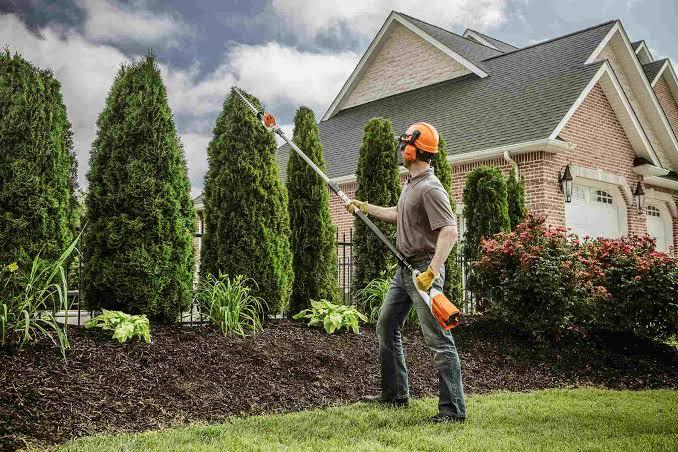

A healthy yard is more than just green grass and beautiful flowers. Trees also play an important role in creating a safe, comfortable, and attractive outdoor space. They provide shade, improve air quality, and increase property value. However, trees that are not properly maintained can become a safety hazard. Overgrown branches, dead limbs, and weak tree structures may lead to property damage or personal injury if they are ignored.
Regular tree trimming is one of the simplest ways to keep your yard safe while helping your trees stay healthy. Proper trimming removes dangerous branches, improves tree structure, and reduces the risk of accidents during storms or high winds.
This guide explains practical tree trimming tips that every homeowner should know to create a safer and healthier yard.
Why Tree Trimming Is Important
Tree trimming is the careful removal of selected branches to improve the health, safety, and appearance of a tree.
Regular trimming helps:
- Remove dead branches
- Improve tree health
- Strengthen tree structure
- Reduce storm damage
- Improve air circulation
- Increase sunlight exposure
- Prevent property damage
Well-maintained trees create a safer environment for your family and visitors.
Inspect Your Trees Regularly
One of the best ways to prevent tree problems is by inspecting your trees throughout the year.
Look for signs such as:
- Dead branches
- Broken limbs
- Cracked bark
- Leaning trees
- Hanging branches
- Large cavities
- Fungal growth
Finding these problems early allows you to address them before they become serious.
Remove Dead Branches Promptly
Dead branches become dry and brittle over time.
They can break without warning and fall onto:
- Homes
- Vehicles
- Walkways
- Outdoor furniture
- Play areas
Removing dead branches improves safety and helps the tree direct its energy toward healthy growth.
Trim Branches Away From Your Home
Branches that grow too close to your house can create several problems.
They may:
- Scratch roofing materials
- Damage gutters
- Break windows
- Touch siding
- Provide access for pests
Keeping branches safely away from buildings helps reduce expensive repairs.
Keep Walkways Clear
Low hanging branches can interfere with everyday activities.
They may block:
- Sidewalks
- Driveways
- Garden paths
- Entryways
Removing these branches makes it easier and safer to move around your yard.
Improve Air Circulation
Trees with crowded canopies often trap moisture.
Poor airflow creates conditions where fungal diseases can develop.
Removing selected branches allows air to move more freely throughout the canopy.
Better airflow supports healthier leaves and branches.
Allow More Sunlight Into Your Yard
Dense tree canopies sometimes block too much sunlight.
Proper trimming allows light to reach:
- Grass
- Flower beds
- Shrubs
- Vegetable gardens
Sunlight also helps the tree produce energy for healthy growth.
Remove Crossing Branches
When branches rub against each other, they damage the bark.
These wounds make it easier for insects and diseases to enter the tree.
Removing crossing branches helps maintain a stronger tree structure.
Watch for Storm Damage
Strong winds and heavy rain often leave behind damaged branches.
After every major storm, inspect your trees for:
- Broken limbs
- Hanging branches
- Cracks
- Split wood
Removing damaged branches quickly reduces future safety risks.
Keep Trees Balanced
Trees with uneven growth may become unstable over time.
Proper trimming helps balance the weight throughout the canopy.
Balanced trees are generally stronger and less likely to lose large branches during storms.
Trim Young Trees Early
Young trees are easier to shape than mature trees.
Early trimming encourages:
- Strong branch development
- Better structure
- Healthy growth
- Long-term stability
Good early care reduces future maintenance needs.
Remove Weak Branches
Some branches develop narrow attachment angles that make them more likely to break.
Weak branches should be removed before they become large enough to create safety concerns.
Strong branch spacing helps the tree grow more safely.
Reduce the Risk of Falling Branches
Heavy branches may eventually break because of age or poor attachment.
Removing weak limbs reduces the risk of branches falling onto:
- Roofs
- Vehicles
- Fences
- Patios
- Family members
Routine trimming improves safety throughout your property.
Prevent Pest Problems
Dead and damaged wood attracts insects.
Common pests include:
- Beetles
- Carpenter ants
- Wood borers
- Termites
Removing damaged branches reduces places where pests can live.
Healthy trees are naturally more resistant to insect infestations.
Reduce the Spread of Disease
Diseased branches can spread infection to healthy parts of the tree.
Removing affected limbs early helps protect:
- The tree itself
- Nearby trees
- Your landscape
Routine inspections make it easier to detect disease before it becomes severe.
Avoid Overtrimming
Removing too many branches at one time can stress a tree.
Proper trimming removes only the branches that improve:
- Safety
- Health
- Structure
Leaving enough healthy branches allows the tree to continue growing normally.
Check Trees Before Storm Season
Storm preparation is one of the most valuable reasons to trim trees.
Before severe weather arrives:
- Remove dead branches.
- Trim weak limbs.
- Inspect the canopy.
- Remove hanging branches.
Healthy trees are better able to withstand strong winds.
Keep Branches Away From Utility Lines
Trees growing near power lines require special attention.
Branches touching electrical wires can cause:
- Power outages
- Fire hazards
- Utility damage
Never attempt to trim branches near power lines yourself.
Protect Outdoor Living Areas
Many homeowners spend time on patios, decks, and in gardens.
Overhanging branches increase the risk of falling limbs above these spaces.
Regular trimming helps make outdoor areas safer for:
- Children
- Guests
- Pets
- Family gatherings
Know When a Tree Needs Attention
Watch for these common warning signs:
- Dead branches
- Broken limbs
- Leaning trees
- Dense canopy
- Crossing branches
- Cracked bark
- Hanging branches
- Poor growth
Addressing these issues early often prevents larger problems.
Benefits of Regular Tree Trimming
Routine trimming offers many long-term advantages.
These include:
- Healthier trees
- Improved safety
- Better appearance
- Reduced pest activity
- Lower disease risk
- Stronger tree structure
- Less storm damage
- Higher property value
Consistent maintenance helps protect both your trees and your home.
A trusted Tree Trimming Service can inspect your trees, remove hazardous branches, and help keep your yard safe while supporting healthy tree growth throughout the year.
Frequently Asked Questions
How often should trees be trimmed?
The trimming schedule depends on the tree species, age, and condition. Most trees benefit from regular inspections and periodic maintenance.
Why is tree trimming important for yard safety?
Tree trimming removes dead and weak branches that could fall and damage property or cause injuries.
Can tree trimming improve tree health?
Yes. Proper trimming improves airflow, increases sunlight exposure, removes diseased branches, and encourages healthy growth.
Should dead branches be removed immediately?
Yes. Dead branches can fall without warning and should be removed as soon as they are noticed.
Can tree trimming reduce storm damage?
Yes. Removing weak branches and improving tree structure lowers the chance of branches breaking during strong winds and heavy rain.
Final Thoughts
Keeping your yard safe starts with healthy, well-maintained trees. Regular tree trimming helps remove dangerous branches, improve tree structure, reduce the spread of disease, and prepare trees for changing weather conditions. It also protects your home, vehicles, and outdoor spaces from unnecessary damage while encouraging stronger and healthier growth.
By inspecting your trees regularly and trimming them when needed, you can enjoy a safer, cleaner, and more attractive yard throughout the year. Routine tree care is a simple step that provides lasting benefits for both your landscape and your property.