


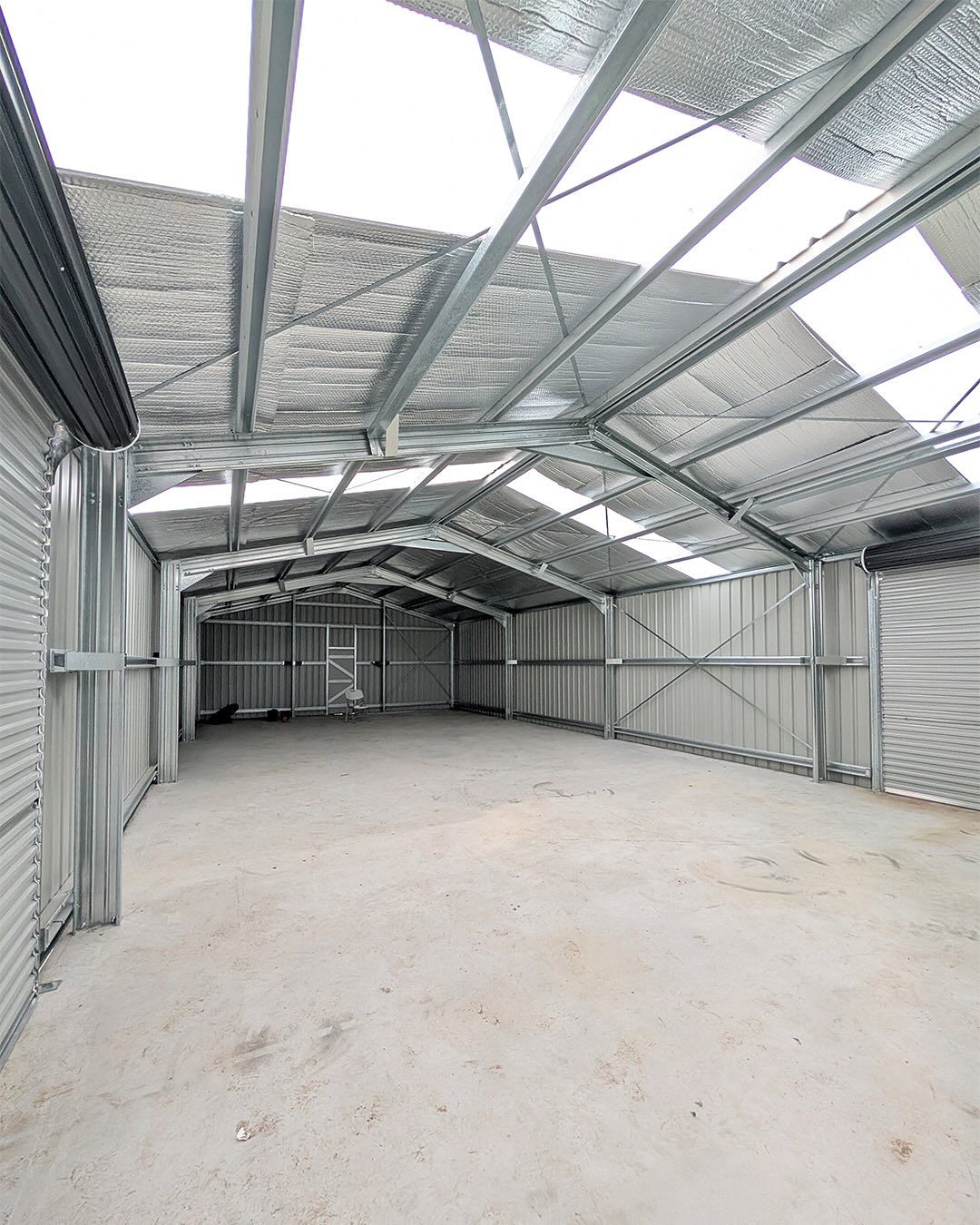

A shed mezzanine is one of the most efficient ways to double your usable storage or workspace without expanding the footprint of your building. Whether you’re upgrading a backyard shed, a farm storage unit, or a small workshop, a mezzanine floor can transform unused vertical space into a highly functional second level.
Below is a complete guide to shed mezzanines—how they work, benefits, design options, materials, costs, and key considerations before installing one.
Shed Mezzanine: Complete Guide to Adding a Second Level in Your Shed
What Is a Shed Mezzanine?
A shed mezzanine is a raised intermediate floor installed inside a shed, typically supported by steel columns, timber framing, or load-bearing walls. It creates an additional platform above ground level while leaving the lower level open for storage, machinery, or workspace.
Unlike a full second story, a mezzanine does not extend across the entire building footprint and is often partially open to the space below.
Why Install a Shed Mezzanine?
A mezzanine is one of the most cost-effective upgrades for sheds because it maximizes vertical space rather than requiring a larger building.
Key Benefits
1. Double Storage Capacity
You can store seasonal items, tools, boxes, or lightweight materials on the upper level while keeping heavy equipment below.
2. Better Organization
Separating items by level reduces clutter and improves workflow efficiency in workshops or industrial sheds.
3. Cost-Effective Expansion
Building upward is usually much cheaper than expanding the shed’s footprint.
4. Flexible Use
A mezzanine can be used for:
- Storage space
- Small office area
- Workshop extension
- Archive or inventory storage
5. Increased Property Value
A well-built mezzanine adds functional value to your shed or outbuilding.
Common Types of Shed Mezzanines
1. Full-Width Mezzanine
Covers most of the shed width, ideal for large storage needs.
2. Partial Mezzanine
Installed on one side or corner, leaving open space for tall equipment or vehicles.
3. Free-Standing Mezzanine
Supported by its own steel structure, independent of shed walls.
4. Wall-Supported Mezzanine
Anchored into existing shed walls for added stability and reduced material cost.
Best Materials for Shed Mezzanines
Steel Frames
- Extremely strong and durable
- Ideal for heavy loads
- Common in industrial sheds
Timber Frames
- More affordable
- Easier to install for DIY projects
- Best for light-to-medium loads
Composite Systems
- Combination of steel beams and timber decking
- Balanced strength and cost efficiency
Flooring Options
- Plywood sheets (most common)
- Steel grating (for ventilation and dust control)
- OSB boards (budget-friendly option)
How Much Does a Shed Mezzanine Cost?
Costs vary depending on size, materials, and load capacity.
- Small DIY mezzanine: $500 – $2,000
- Medium professional installation: $2,000 – $8,000
- Large industrial mezzanine: $8,000 – $25,000+
Factors affecting cost:
- Shed size and height
- Material choice (steel vs timber)
- Load-bearing requirements
- Staircase or ladder installation
- Engineering approvals
Design Considerations Before Installing
1. Ceiling Height
A minimum of 4.5–5 meters is typically needed for a practical mezzanine setup.
2. Load Capacity
Consider what you will store:
- Light storage (boxes, tools): 150–250 kg/m²
- Medium storage: 300–500 kg/m²
- Heavy industrial use: 500+ kg/m²
3. Access Method
- Fixed staircase (safe and permanent)
- Ladder (space-saving but less convenient)
- Spiral staircase (compact but more expensive)
4. Ventilation and Lighting
Upper levels can get hot and dark, so consider:
- Skylights
- LED strip lighting
- Roof vents or fans
5. Safety Features
- Guard rails (mandatory in most cases)
- Anti-slip flooring
- Proper load-rated beams
DIY vs Professional Installation
DIY Installation
Best for small timber mezzanines in garden sheds.
- Lower cost
- Requires basic carpentry skills
- Limited load capacity
Professional Installation
Recommended for:
- Steel mezzanines
- Large sheds
- Commercial use
- Any structure requiring engineering approval
Common Mistakes to Avoid
- Ignoring load calculations
- Underestimating ceiling height requirements
- Using weak or untreated timber
- Skipping safety railings
- Poor access design (unsafe ladders or cramped stairs)
Maintenance Tips
A shed mezzanine requires minimal maintenance, but regular checks are important:
- Inspect bolts and joints every 6–12 months
- Check for rust in steel structures
- Look for wood warping or moisture damage
- Ensure flooring remains level and secure
Is a Shed Mezzanine Worth It?
Yes—if you need more usable space without expanding your shed, a mezzanine is one of the most efficient upgrades available. It is especially valuable for workshops, farms, warehouses, and hobby spaces where organization and vertical storage matter.
Final Thoughts
A shed mezzanine is more than just an extra platform—it’s a smart space optimization strategy. With proper planning, materials, and safety design, it can significantly improve how you use your shed, making it more functional, organized, and productive.