


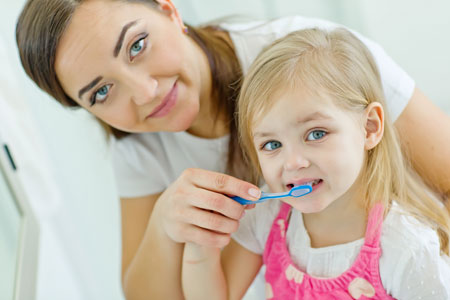

Keeping children’s teeth clean and healthy does not have to be complicated. With the right approach, parents can make dental care simple, enjoyable, and effective. Children often resist brushing and flossing because they find it boring or uncomfortable. That’s why using simple child-friendly dental care techniques that truly work can make a big difference. These techniques not only protect teeth but also help build lifelong healthy habits.
Why Simple Dental Care Techniques Matter
Children’s teeth play a crucial role in their growth and development, and using Child-Friendly Dental Care Techniques helps protect them from an early age. Baby teeth support chewing, clear speech, and guide permanent teeth into the correct position. When proper care is ignored, it can lead to cavities, pain, and infections that may impact a child’s overall health and well-being.
Early dental care also prevents common problems like cavities, plaque buildup, and gum irritation. When children develop good habits at a young age, they are less likely to face serious dental issues later in life. A healthy smile also boosts self-esteem and supports overall well-being.
Creating a Daily Dental Routine
A consistent routine is one of the most effective ways to maintain oral health. Children thrive on structure, so setting a regular schedule for brushing and flossing is essential.
Brush Twice a Day
Children should brush their teeth in the morning and before bedtime. Brushing at night is especially important because it removes food particles and bacteria that build up during the day. Make sure they brush for at least two minutes each time.
Make It a Family Activity
Brushing together as a family can make the routine more enjoyable. Children are more likely to follow instructions when they see parents doing the same. It also creates a bonding moment and reinforces the importance of oral hygiene.
Use Reminders and Timers
Simple tools like timers or fun songs can help children brush for the recommended time. This keeps them focused and prevents them from rushing through the process.
Choosing the Right Dental Tools
Using the right tools can make dental care easier and more effective for children.
Kid-Friendly Toothbrushes
Select a toothbrush designed for children, with soft bristles and a small head. Bright colors or fun designs can make brushing more exciting and encourage regular use.
Fluoride Toothpaste in Small Amounts
Helping children learn the correct way to brush and floss is essential for effective oral hygiene, and guidance from Broadway Family can make this learning process easier and more engaging for kids.
Easy-to-Use Floss
Flossing may seem difficult for children at first, but using floss picks can simplify the process. These are easier to hold and control, making flossing less frustrating.
Teaching Proper Brushing Techniques
Even simple routines need the right technique to be effective. Teaching children how to brush properly ensures better results.
Gentle Circular Motions
Show children how to move the toothbrush in small circular motions instead of scrubbing hard. This helps clean teeth without damaging gums.
Cover All Areas
Children should brush the front, back, and chewing surfaces of their teeth. Remind them not to forget their tongue, as it can hold bacteria that cause bad breath.
Supervise and Guide
Younger children need supervision while brushing. Parents can guide their hand movements and ensure they are cleaning all areas properly.
Making Dental Care Fun
One of the best ways to encourage children is by making dental care enjoyable.
Turn It Into a Game
Create small challenges or games during brushing time. For example, ask children to “chase away sugar bugs” from their teeth. This playful approach keeps them interested.
Reward Good Habits
Positive reinforcement can motivate children to stick to their routine. Simple rewards like stickers or praise can go a long way in building consistency.
Use Storytelling
Explain dental care through stories or characters. When children connect brushing with something fun or imaginative, they are more likely to cooperate.
Healthy Eating Habits for Strong Teeth
Diet plays a key role in maintaining oral health. Teaching children to make healthy food choices supports strong teeth and gums.
Limit Sugary Snacks
Frequent consumption of sugary foods and drinks increases the risk of cavities. Encourage children to enjoy sweets occasionally rather than regularly.
Choose Nutritious Foods
Foods rich in calcium and vitamins, such as milk, cheese, fruits, and vegetables, help strengthen teeth. Crunchy foods like apples and carrots can also help clean teeth naturally.
Encourage Drinking Water
Water helps wash away food particles and keeps the mouth clean. It is a simple and effective habit that supports overall dental health.
Regular Dental Checkups
Even with the best home care, professional dental visits are necessary. Dentists can detect problems early and provide proper treatment.
Start Early
Children should visit the dentist at a young age. Early visits help them become comfortable and reduce fear.
Keep Visits Positive
A friendly and supportive environment can make dental visits less stressful. Talk to children about what to expect and reassure them that it is a normal and helpful experience.
Building Confidence and Reducing Fear
Some children feel anxious about dental care. Helping them feel comfortable is an important part of maintaining good habits.
Stay Calm and Patient
Children can sense stress or frustration. Keeping a calm attitude helps them feel safe and relaxed.
Encourage Questions
Allow children to ask questions and express their feelings. Answering them honestly builds trust and reduces anxiety.
Be a Role Model
Children often copy their parents. When they see adults taking care of their teeth, they are more likely to do the same.
Conclusion
Simple child-friendly dental care techniques that work are all about consistency, encouragement, and ease. By creating a routine, using the right tools, and making dental care fun, parents can help children develop strong oral hygiene habits. A healthy diet and regular dental visits further support long-term dental health. With these simple steps, children can enjoy bright, healthy smiles that last a lifetime.