


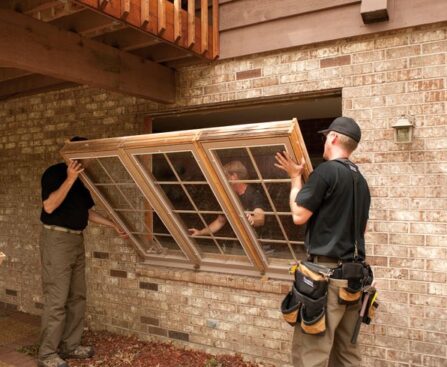
Choosing the right windows for your home is not just about aesthetics—it’s a decision that impacts energy efficiency, comfort, security, and long-term value. If you’re planning to upgrade your home, understanding how to choose replacement windows can save you money, prevent costly mistakes, and ensure you get the best performance for your investment.
With so many styles, materials, and features available, the process can feel overwhelming. This guide breaks everything down in a simple, practical way so you can confidently select the perfect replacement windows for your home.
Why Choosing the Right Replacement Windows Matters
Windows are one of the most important elements of your home. Poor choices can lead to higher energy bills, maintenance issues, and reduced comfort. On the other hand, the right windows can:
- Improve insulation and reduce energy costs
- Enhance curb appeal and home value
- Increase natural light and ventilation
- Reduce outside noise
- Provide better security
Making an informed decision ensures you enjoy these benefits for decades.
Step 1: Understand Your Needs
Before exploring styles and materials, start by identifying your priorities.
Ask yourself:
- Do you want better energy efficiency?
- Are your current windows difficult to operate?
- Do you want to improve your home’s appearance?
- Is noise reduction important?
- What is your budget?
Understanding your goals will help narrow down your options and avoid unnecessary upgrades.
Step 2: Choose the Right Window Style
Different window styles offer different benefits. Your choice should depend on functionality, space, and design preferences.
Double Hung Windows
A popular option where both sashes move up and down. Easy to clean and great for ventilation.
Casement Windows
Hinged at the side and open outward. They provide excellent airflow and seal tightly when closed.
Sliding Windows
Perfect for wide openings. They are simple to use and require minimal maintenance.
Bay and Bow Windows
Extend outward, creating additional interior space and enhancing visual appeal.
Picture Windows
Fixed windows that don’t open. Ideal for maximizing natural light and outdoor views.
Awning Windows
Open outward from the top and are great for ventilation during light rain.
Step 3: Select the Best Frame Material
The material you choose will affect durability, maintenance, and energy efficiency.
Vinyl
- Affordable and low maintenance
- Excellent insulation
- Resistant to moisture
Wood
- Classic and elegant look
- Great insulation
- Requires regular maintenance
Aluminum
- Strong and lightweight
- Modern appearance
- Less energy efficient
Fiberglass
- Highly durable
- Energy efficient
- Long lifespan
Each material has its pros and cons, so consider your climate, budget, and maintenance preferences.
Step 4: Focus on Energy Efficiency
Energy efficiency should be a top priority when choosing replacement windows.
Key Features to Look For:
- Double or triple-pane glass
- Low emissivity coatings
- Gas fills between panes
- Insulated frames
Energy-efficient windows help maintain indoor temperatures, reduce energy bills, and create a more comfortable living environment.
Step 5: Consider Glass Options
The type of glass you choose can significantly impact performance.
Double Pane Glass
Standard option with good insulation.
Triple Pane Glass
Better insulation and noise reduction.
Tempered Glass
Stronger and safer, ideal for areas prone to impact.
Laminated Glass
Provides added security and noise reduction.
Tinted or Coated Glass
Reduces glare and protects against UV rays.
Choosing the right glass depends on your specific needs and location.
Step 6: Check Window Ratings and Certifications
Look for performance ratings that indicate how well a window performs.
Important Ratings:
- U Factor (measures insulation)
- Solar Heat Gain Coefficient
- Air Leakage
- Visible Transmittance
Windows with better ratings provide improved efficiency and comfort.
Step 7: Set a Realistic Budget
Replacement windows are an investment, so it’s important to plan your budget carefully.
Consider:
- Cost of materials
- Installation charges
- Number of windows
- Additional features
While it may be tempting to choose the cheapest option, higher-quality windows often provide better long-term value.
Step 8: Decide Between Full Replacement and Inserts
There are two main installation methods:
Full Frame Replacement
- Replaces the entire window including frame
- Ideal for damaged or old frames
- Higher cost but better performance
Insert Replacement
- Fits into existing frame
- More affordable
- Faster installation
The right choice depends on the condition of your current windows.
Step 9: Choose a Reliable Window Installer
Even the best windows won’t perform well if they are poorly installed.
Tips for Choosing a Contractor:
- Check reviews and ratings
- Ask for references
- Verify licenses and insurance
- Compare multiple quotes
- Look for warranties
A professional installer ensures proper fitting, sealing, and long-term performance.
Step 10: Think About Maintenance
Different window materials require different levels of maintenance.
- Vinyl: Minimal maintenance
- Wood: Requires painting or sealing
- Aluminum: Occasional cleaning
- Fiberglass: Low maintenance
Choose a material that fits your lifestyle and willingness to maintain it.
Common Mistakes to Avoid
When learning how to choose replacement windows, avoid these common errors:
- Ignoring energy efficiency
- Choosing style over functionality
- Not measuring windows correctly
- Hiring inexperienced installers
- Overlooking warranty details
Avoiding these mistakes can save you time, money, and frustration.
Benefits of Making the Right Choice
When you carefully select your replacement windows, you’ll enjoy:
- Lower energy bills
- Increased home value
- Better indoor comfort
- Enhanced appearance
- Reduced noise levels
A well-planned window upgrade pays off in both the short and long term.
Final Thoughts
Understanding how to choose replacement windows is essential for making a smart home improvement decision. By considering factors such as style, material, energy efficiency, and installation, you can find windows that perfectly match your needs and budget.
Take your time, do your research, and work with trusted professionals to ensure the best results. The right windows will not only improve your home’s appearance but also enhance comfort and efficiency for years to come.
FAQs
1. What is the best type of replacement window?
The best type depends on your needs, but double hung and casement windows are among the most popular due to their functionality and efficiency.
2. How do I know which window material is best?
Consider your budget, climate, and maintenance preferences. Vinyl is great for affordability, while fiberglass offers durability.
3. Are energy-efficient windows worth it?
Yes, they reduce energy costs, improve comfort, and increase home value.
4. How long does it take to replace windows?
Most projects take one to two days, depending on the number of windows.
5. Can I install replacement windows myself?
While possible, professional installation is recommended to ensure proper sealing and performance.
6. What should I look for in a window warranty?
Look for coverage on materials, glass, and installation, as well as the duration of the warranty.
7. How often should windows be replaced?
Typically, windows should be replaced every 20 to 30 years, depending on their condition and material.
