


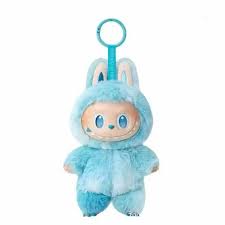

In the expanding universe of designer toys and collectible art figures, few characters have managed to capture global attention quite like Labubu. This peculiar yet charming creature has become a symbol of modern collectible culture, blending fantasy storytelling, emotional expression, and artistic craftsmanship into one unforgettable design. Labubu is not just a toy; it is a character that exists at the intersection of imagination and material culture, appealing to both casual fans and serious collectors alike.
What makes Labubu especially fascinating is its ability to feel both playful and slightly unsettling at the same time. With its mischievous grin, sharp little teeth, and wide expressive eyes, Labubu carries a personality that is hard to define but easy to recognize. It is part of a larger creative universe known as “The Monsters,” created by artist Kasing Lung, where each character reflects different emotional tones, moods, and fantastical traits. Labubu, however, stands out as the most iconic figure in that world.
The Origins of Labubu: From Illustration to Global Icon
Labubu was originally conceived by Hong Kong–based artist Kasing Lung, whose artistic style is deeply influenced by European fairy tales, childhood memories, and whimsical fantasy elements. Before becoming a physical collectible figure, Labubu existed as part of illustrated storybooks, where strange creatures roamed mystical forests and dreamlike landscapes.
When POP MART recognized the potential of these characters, Labubu transitioned from page to physical form. POP MART helped transform Labubu into a vinyl art toy, introducing it to a global audience through blind box collections and limited-edition releases. This shift marked a major turning point in the designer toy industry, where storytelling and collectibles merged into a single cultural product.
The evolution of Labubu from illustration to collectible figure highlights a broader trend in modern pop culture: the transformation of artistic characters into tangible, collectible experiences. Fans are not just buying a toy; they are participating in a story world that continues to grow with every new release.
Design Philosophy: Why Labubu Looks the Way It Does
At first glance, Labubu’s design may seem unusual or even chaotic, but every detail is intentional. Its oversized head, sharp teeth, and expressive eyes are all designed to evoke a mixture of emotions—curiosity, mischief, innocence, and slight eeriness. This emotional duality is a core part of its appeal.
Unlike traditional cute characters that rely solely on softness and symmetry, Labubu embraces imperfection. Its asymmetrical smile and exaggerated facial expressions give it a more “alive” presence, as if it is constantly reacting to something unseen. This makes collectors feel a stronger emotional connection, as the character appears to have its own personality rather than being a static design.
The color variations and themed editions of Labubu further expand its personality range. From forest-themed versions to fantasy costumes and seasonal outfits, each design tells a different story. This approach allows Labubu to exist not as a single fixed identity but as a versatile character capable of expressing multiple emotional states.
The Cultural Impact of Labubu in Modern Collectibles
Labubu’s rise reflects a larger shift in how people engage with collectibles in the 21st century. In the past, toys were primarily associated with children, but designer toys like Labubu have redefined this perception entirely. Today, collecting figures is seen as a form of artistic appreciation, emotional expression, and even investment.
One of the reasons Labubu has gained such popularity is its strong presence in online communities. Social media platforms are filled with unboxing videos, display collections, and fan photography. Each collector adds their own narrative to Labubu’s identity, staging it in creative scenes that reflect personal moods or aesthetics.
This participatory culture has transformed Labubu into more than just a product—it has become a shared experience. Collectors across different countries may never meet, but they are connected through their appreciation of the same character and its evolving designs.
Emotional Appeal: The Strange Comfort of Labubu
What makes Labubu truly unique is its emotional complexity. Unlike typical “cute” characters designed purely for comfort, Labubu sits in a more ambiguous emotional space. It is both adorable and slightly eerie, playful yet mysterious. This combination creates a psychological effect where viewers feel both drawn in and intrigued.
Many fans describe Labubu as a character that reflects human emotions more realistically than traditional mascots. People are rarely purely happy or sad; they exist in layered emotional states. Labubu’s expression captures that complexity in a visual form, making it relatable in an unexpected way.
This emotional depth is one of the reasons Labubu resonates strongly with adult collectors. It is not just about nostalgia or decoration; it is about emotional identification with a character that feels strangely alive.
The Role of Blind Box Culture in Labubu’s Popularity
A major factor in Labubu’s global success is its integration into the blind box collectible system. In this format, buyers purchase sealed boxes without knowing which version of the figure they will receive. This element of surprise adds excitement and anticipation to the collecting experience.
The blind box model encourages repeat purchases and fosters a sense of discovery. Rare editions of Labubu become highly sought after, creating a secondary market where collectors trade and exchange figures. This system has helped build a strong community around the character, where rarity and luck play a significant role.
However, beyond commerce, the blind box experience also enhances emotional engagement. Opening a box becomes a moment of suspense, joy, or even disappointment, all of which deepen the collector’s relationship with the character.
Artistic Value: Labubu as a Modern Art Object
While some may view Labubu simply as a toy, others see it as a legitimate form of contemporary art. The detailed sculpting, thematic storytelling, and limited production runs position Labubu within the broader category of designer art pieces.
Kasing Lung’s artistic background plays a crucial role in this perception. His work is influenced by narrative illustration and fantasy art, which elevates Labubu beyond commercial design. Each figure can be seen as a miniature sculpture that carries artistic intent, not just entertainment value.
Collectors often display La bubu figures as part of curated art collections, placing them alongside paintings, sculptures, or other designer pieces. This reinforces the idea that Labubu exists at the intersection of art, design, and popular culture.
Global Influence and Future of Labubu
Labubu’s influence continues to grow as designer toy culture expands globally. What started as a niche collectible in Asia has now become a worldwide phenomenon, with fans across Europe, North America, and beyond. The character’s adaptability allows it to resonate across different cultural contexts without losing its core identity.
Looking forward, Labubu is likely to continue evolving through new collaborations, limited editions, and storytelling expansions. As long as creative innovation continues, the character will remain relevant in the ever-changing landscape of pop culture collectibles.
The future of Labubu is not just about new designs but about deeper storytelling. Fans increasingly expect narratives, worlds, and emotional depth behind each release, and Labubu is perfectly positioned to meet that demand.