


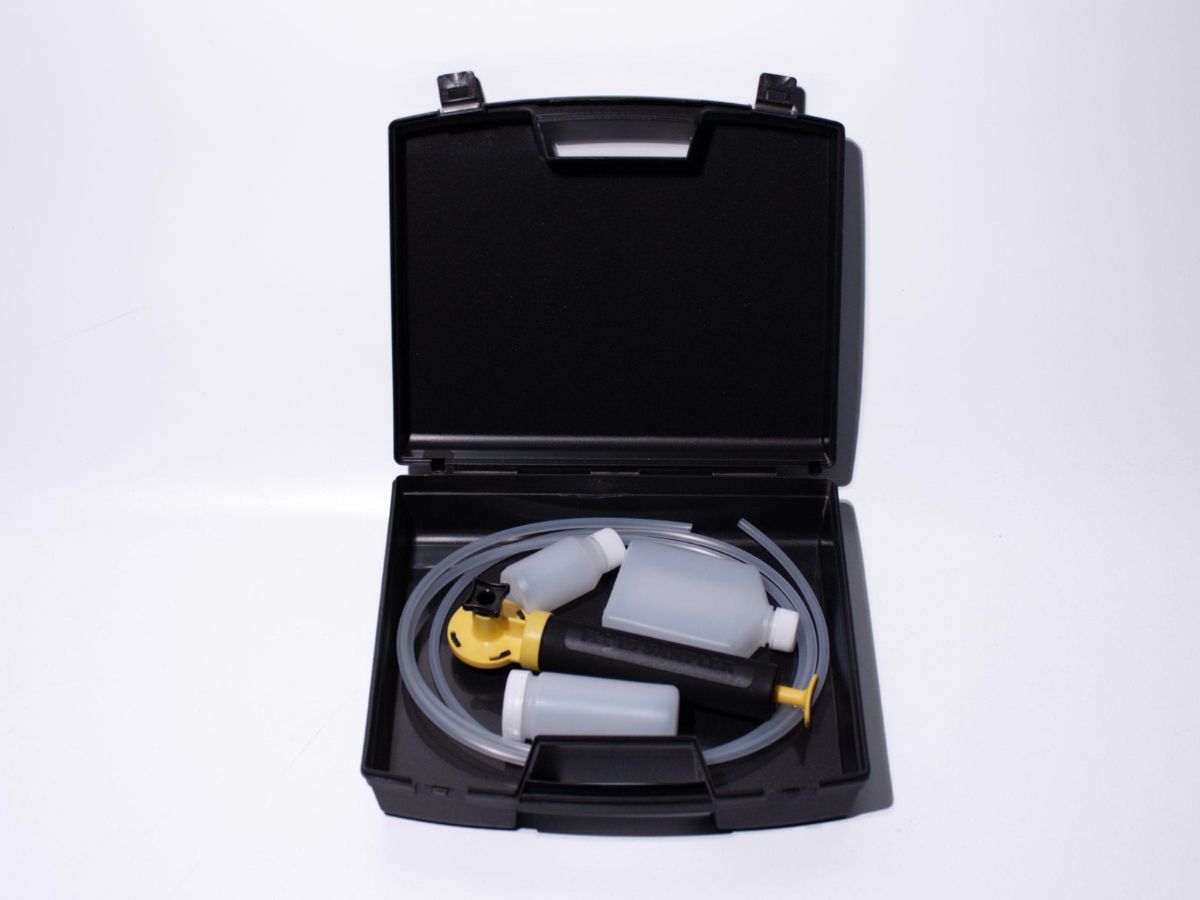

Marine engines operate in some of the harshest environments on earth constant vibration, salt exposure, variable loads, and long operating hours. In such conditions, unexpected failures are not just costly; they can lead to downtime, safety risks, and even mission-critical disruptions. This is where a structured condition monitoring approach using a Marine Oil Sampling Kit becomes essential.
Modern vessel operators are increasingly moving from reactive maintenance to predictive maintenance, and oil and fuel analysis sits at the center of that shift. Let’s break down how oil sampling, fuel testing, and supporting diagnostics like Stern Tube Oil Analysis, along with safety-focused checks like Rapid Legionella Testing, help improve marine engine reliability in real-world operations.
Why Marine Oil Sampling Matters More Than Ever
Engine oil is more than just a lubricant it is a diagnostic window into your machinery. A properly conducted oil sample can reveal early signs of wear, contamination, overheating, and even fuel dilution.
A Marine Oil Sampling Kit allows engineers and crew to collect representative oil samples from engines, gear systems, and auxiliary machinery without interrupting operations. These samples are then analyzed to detect:
- Metal wear particles (iron, copper, aluminum)
- Water contamination from leaks or condensation
- Fuel dilution indicating injector issues
- Oxidation and oil degradation levels
- Additive depletion over time
By identifying these issues early, operators can prevent catastrophic failures rather than reacting after damage has already occurred.
Stern Tube Oil Analysis: Protecting a Critical Component
One of the most overlooked but critical areas in vessel maintenance is the stern tube system. The stern tube seals and bearings support the propeller shaft, and failure here can result in severe water ingress and expensive repairs.
Stern Tube Oil Analysis is specifically designed to monitor oil condition in this system. Unlike engine oil, stern tube lubrication is highly sensitive to seawater contamination. Even small amounts of water ingress can indicate seal degradation.
Through regular analysis, engineers can detect:
- Seawater contamination (chlorides)
- Bearing wear metals
- Oil emulsification
- Seal failure indicators
Early detection through stern tube oil monitoring helps avoid dry-docking emergencies and unplanned downtime, making it one of the most cost-effective predictive maintenance practices in marine operations.
Marine Fuel Sampling Kit: Preventing Hidden Engine Problems
While oil tells the story of wear, fuel tells the story of combustion health. A Marine Fuel Sampling Kit is essential for identifying fuel quality issues before they reach the engine.
Marine fuel contamination is more common than many operators realize. Problems often arise due to:
- Water ingress during storage or transfer
- Microbial growth in fuel tanks (diesel bugs)
- Sediment and particulate contamination
- Improper blending or fuel degradation
Fuel contamination can lead to clogged injectors, poor combustion efficiency, increased emissions, and even engine shutdowns.
Using a dedicated sampling kit, engineers can test fuel for cleanliness, water content, and microbial activity, ensuring the fuel entering the engine meets operational standards. This is especially important for vessels operating in varying ports and fuel supply conditions.
Rapid Legionella Testing: A Hidden but Critical Marine Safety Factor
While engine reliability is a primary concern, onboard environmental safety is equally important. One often overlooked risk in marine systems is Legionella bacteria, which can grow in warm water systems such as showers, storage tanks, and cooling systems.
Rapid Legionella Testing allows crews to quickly screen onboard water systems for contamination risks. This is particularly important for passenger vessels, yachts, and offshore platforms where crew and passenger health is a priority.
Fast detection helps operators:
- Identify bacterial growth early
- Take corrective disinfection measures
- Maintain compliance with safety standards
- Protect crew and passenger health
Integrating water system monitoring alongside oil and fuel diagnostics creates a more complete vessel health management strategy.
Integrated Condition Monitoring for Modern Vessels
What makes modern marine maintenance effective is not a single test, but a combined approach. Using:
- Marine Oil Sampling Kit
- Marine Fuel Sampling Kit
- Stern Tube Oil Analysis
- Rapid Legionella Testing
Operators gain a full-spectrum view of vessel health covering mechanical, combustion, and environmental systems.
This integrated monitoring strategy allows:
- Predictive maintenance instead of reactive repairs
- Reduced operational downtime
- Lower long-term maintenance costs
- Improved fuel efficiency and engine performance
- Enhanced onboard safety and compliance
The Role of Professional Sampling Solutions
Reliable diagnostics depend heavily on proper sampling procedures. Poor sampling technique can lead to misleading results and incorrect maintenance decisions. That’s why professional-grade kits and structured sampling protocols are essential.
Providers such as YachtSamples focus on delivering marine-specific sampling solutions designed for real-world operational conditions. Their systems are built to support accurate collection, safe handling, and efficient testing workflows across oil, fuel, and water systems.
Final Thoughts
Marine operations today demand more than just scheduled maintenance; they require intelligence-driven decision-making. Tools like the Marine Oil Sampling Kit and Marine Fuel Sampling Kit, combined with specialized diagnostics such as Stern Tube Oil Analysis and Rapid Legionella Testing, give operators the visibility needed to prevent failures before they happen.
In an industry where downtime is expensive and reliability is everything, these testing methods are no longer optional they are a core part of modern marine engineering strategy.