


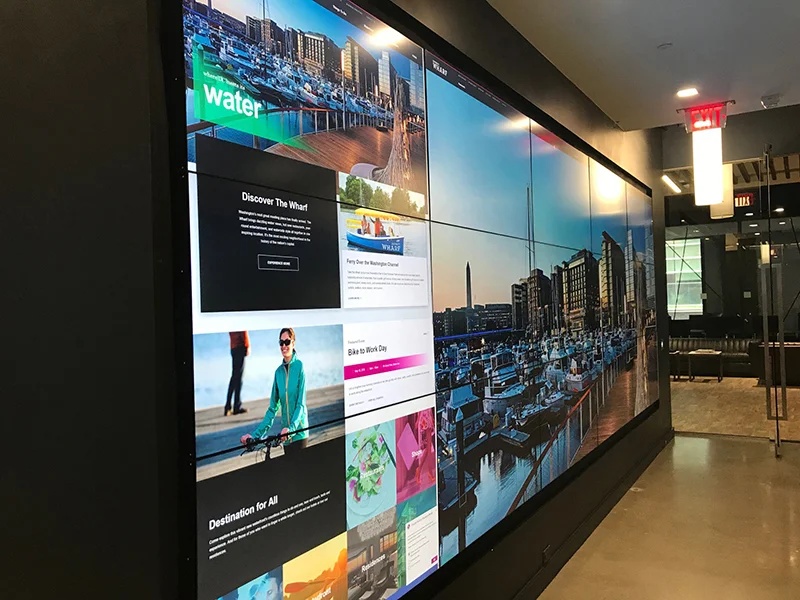

In today’s competitive digital world, businesses are constantly searching for innovative ways to engage customers, improve communication, and increase brand visibility. One of the most effective solutions is digital signage software. From retail stores and restaurants to hospitals, schools, and corporate offices, digital signage has transformed how businesses deliver information and promotions.
Modern digital signage software enables organizations to display dynamic content such as videos, advertisements, announcements, menus, social media feeds, and real-time updates across multiple screens. Unlike traditional printed signs, digital signage provides flexibility, remote management, and interactive experiences that capture audience attention instantly.
Whether you run a small business or a large enterprise, investing in high-quality digital signage software can improve customer engagement, boost sales, and streamline internal communication.
What is Digital Signage Software?
Digital signage software is a cloud-based or on-premise platform that allows users to create, schedule, manage, and display digital content on screens or displays. These displays can include LED screens, LCD monitors, kiosks, tablets, video walls, and smart TVs.
Businesses use digital signage software to control content remotely and update information in real time. Instead of manually replacing posters or banners, companies can instantly change promotions, announcements, and advertisements with just a few clicks.
The software usually includes features such as:
- Content scheduling
- Media management
- Remote screen control
- Interactive touch-screen support
- Real-time analytics
- Cloud accessibility
- Template customization
- Multi-screen management
These features make digital signage software an essential marketing and communication tool for modern businesses.
Benefits of Digital Signage Software
1. Improved Customer Engagement
Digital displays are visually appealing and more engaging than traditional static signage. Videos, animations, and interactive content attract attention quickly and encourage customers to interact with your brand.
Retail stores can use digital signage to highlight discounts, new arrivals, and promotional campaigns. Restaurants can display digital menus with eye-catching visuals that influence purchasing decisions.
2. Easy Content Management
One of the biggest advantages of digital signage software is centralized content management. Businesses can update multiple screens across different locations from a single dashboard.
This eliminates the need for manual updates and saves both time and operational costs.
3. Real-Time Updates
Businesses can instantly update information whenever needed. This is especially useful for industries such as transportation, healthcare, education, and hospitality where real-time communication is important.
For example, airports can display flight updates while hospitals can show patient information and queue management details.
4. Cost-Effective Advertising
Traditional printing and advertising can be expensive over time. Digital signage reduces printing costs and allows businesses to run multiple campaigns on a single screen.
You can schedule advertisements based on time, audience behavior, or location, maximizing your marketing efficiency.
5. Enhanced Brand Awareness
Consistent branding across all digital displays helps businesses strengthen their identity. Companies can use custom templates, logos, brand colors, and promotional videos to create a professional image.
Strong visual branding improves customer trust and brand recognition.
Key Features to Look for in Digital Signage Software
Choosing the right digital signage software is essential for achieving business goals. Here are some important features to consider:
Cloud-Based Management
Cloud-based platforms allow users to manage content remotely from anywhere. This feature is ideal for businesses with multiple branches or locations.
User-Friendly Interface
Easy-to-use software helps businesses create and manage content without requiring technical expertise.
Scheduling and Automation
Advanced scheduling tools allow businesses to automate content playback based on specific times, dates, or events.
Multi-Screen Support
The ability to manage multiple screens from a single platform is crucial for large organizations.
Analytics and Reporting
Performance analytics help businesses measure engagement, monitor screen activity, and optimize campaigns for better results.
Media Compatibility
Good digital signage software should support images, videos, HTML content, live feeds, social media integrations, and interactive applications.
Industries Using Digital Signage Software
Retail Stores
Retail businesses use digital signage to display product promotions, seasonal sales, and interactive advertisements. It enhances customer experience and increases impulse purchases.
Restaurants and Cafes
Restaurants use digital menu boards to showcase food items, pricing, and promotional deals. Digital menus can be updated instantly without reprinting.
Healthcare Facilities
Hospitals and clinics use digital signage for patient communication, appointment schedules, health awareness campaigns, and navigation assistance.
Educational Institutions
Schools and universities display announcements, event schedules, emergency alerts, and educational content through digital signage systems.
Corporate Offices
Businesses use digital displays for internal communication, employee announcements, performance dashboards, and meeting room scheduling.
Hospitality Industry
Hotels use digital signage software for guest information, welcome messages, event promotions, and wayfinding solutions.
Why Cloud-Based Digital Signage Software is Popular
Cloud technology has revolutionized the digital signage industry. Cloud-based digital signage software offers flexibility, scalability, and convenience for businesses of all sizes.
Some major advantages include:
- Remote access from any device
- Faster content deployment
- Automatic software updates
- Secure data storage
- Reduced hardware maintenance
- Easy scalability
Businesses no longer need expensive infrastructure or IT teams to manage signage networks.
AI and Automation in Digital Signage Software
Artificial Intelligence is becoming an important part of digital signage solutions. AI-powered digital signage software can analyze audience behavior, personalize content, and automate campaign management.
For example, AI can display targeted advertisements based on customer demographics, weather conditions, or time of day.
Automation tools also help businesses schedule content efficiently and reduce manual workload.
How Digital Signage Software Improves Marketing
Marketing is one of the strongest applications of digital signage. Businesses can create highly engaging campaigns using videos, animations, and interactive media.
Digital signage software supports:
- Promotional campaigns
- Social media integration
- Real-time offers
- Video marketing
- Brand storytelling
- Event promotions
Compared to traditional advertising, digital signage offers better visibility and audience engagement.
Tips for Choosing the Best Digital Signage Software
When selecting a digital signage solution, consider the following factors:
Scalability
Choose software that can grow with your business needs.
Security
Ensure the platform provides secure access and data protection.
Customer Support
Reliable technical support is important for smooth operations.
Customization
Look for software with customizable templates and branding options.
Integration Capabilities
The software should integrate with existing business tools and systems.
Future of Digital Signage Software
The future of digital signage software looks promising as businesses continue adopting smart technologies. Innovations such as AI, IoT integration, touchless interaction, and real-time personalization are shaping the next generation of digital displays.
Interactive kiosks, smart advertising, and data-driven content strategies will become even more common in the coming years.
As customer expectations evolve, businesses that invest in advanced digital signage solutions will gain a competitive advantage in communication and marketing.
Conclusion
Digital signage software has become a powerful tool for businesses seeking smarter communication and more effective marketing strategies. With features like remote management, real-time updates, AI-powered automation, and engaging visual content, digital signage solutions offer unmatched flexibility and efficiency.
From retail and hospitality to healthcare and education, organizations across industries are leveraging digital signage technology to improve customer experiences and strengthen brand visibility.
Investing in reliable digital signage software can help businesses increase engagement, reduce operational costs, and stay ahead in today’s digital marketplace.