


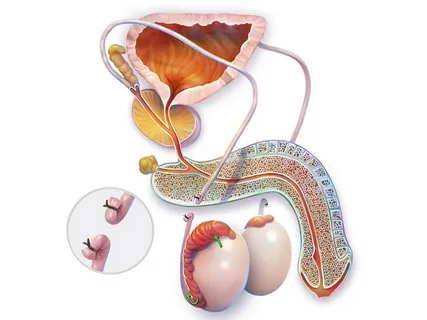

Vasectomy is one of the most effective forms of permanent male contraception and is performed worldwide as a minimally invasive outpatient procedure. The operation involves cutting or sealing the vas deferens to prevent sperm from entering the semen during ejaculation. Although the procedure is primarily associated with reproductive control, researchers have also examined how vasectomy interacts with the immune system. Understanding these immune system response mechanisms is important because the male reproductive tract contains unique biological barriers and specialized immune regulation that may change after the procedure.
Under normal conditions, sperm cells remain largely separated from the body’s systemic immune defenses through a structure called the blood-testis barrier. This barrier protects developing sperm cells from immune recognition because sperm are produced after immune tolerance is established earlier in life. Since sperm contain unique surface proteins, the immune system may identify them as foreign if they become exposed outside protected reproductive tissues. Vasectomy changes the pathway of sperm transport, creating conditions that may trigger localized immune responses.
After a vasectomy, sperm production within the testes continues normally. However, because sperm can no longer travel through the vas deferens and exit the body, pressure gradually builds within portions of the reproductive tract. Over time, some sperm may leak into surrounding tissues through microscopic ruptures or reabsorption pathways. This exposure allows immune cells to encounter sperm antigens, potentially activating inflammatory and antibody-mediated responses.
One of the most studied immune mechanisms after vasectomy involves the formation of antisperm antibodies. These antibodies are proteins produced by the immune system that specifically target sperm cells. In many vasectomized men, the immune system recognizes leaked sperm components and begins producing antibodies against them. Researchers estimate that a significant percentage of men develop detectable antisperm antibodies following vasectomy, though the levels and clinical significance vary widely.
The presence of antisperm antibodies does not generally create harmful systemic disease. In most cases, the immune response remains localized and controlled. However, these antibodies may become important if a man later seeks vasectomy reversal because they can potentially affect sperm function and fertility outcomes. Studies examining vasectomy reversal success have shown that immune-related sperm impairment may contribute to lower pregnancy rates in certain cases.
Inflammation is another major immune mechanism associated with vasectomy. Shortly after the procedure, localized tissue injury triggers a normal inflammatory healing response. Immune cells such as macrophages, neutrophils, and lymphocytes migrate to the surgical area to clear damaged tissue and support repair. Cytokines and inflammatory mediators help coordinate healing while limiting infection risk. In most patients, this inflammatory process resolves naturally as recovery progresses.
In some men, however, prolonged inflammatory activity may contribute to post-vasectomy discomfort or complications. Chronic low-grade inflammation has been proposed as one possible factor in post-vasectomy pain syndrome, although the exact mechanisms remain under investigation. Researchers continue studying whether nerve sensitivity, pressure buildup, immune activation, or scar tissue formation play the dominant role in persistent symptoms.
Sperm granuloma formation represents another immune-related response after vasectomy. A sperm granuloma is a small inflammatory nodule that develops when leaked sperm trigger localized immune reactions within surrounding tissues. Macrophages and other immune cells surround the escaped sperm, creating a contained inflammatory structure. Although the term “granuloma” may sound concerning, these lesions are often benign and may even help relieve pressure within the reproductive tract by allowing controlled sperm leakage.
Macrophages play an especially important role in post-vasectomy immune regulation. These immune cells help remove damaged sperm and cellular debris while limiting excessive inflammation. Macrophages also participate in tissue remodeling and healing after surgery. Their balanced activity helps maintain reproductive tissue stability despite ongoing sperm production after vasectomy.
The adaptive immune system also contributes to long-term post-vasectomy immune changes. T lymphocytes and B lymphocytes may become activated when exposed to sperm antigens. B cells are responsible for producing antisperm antibodies, while T cells help regulate immune signaling and inflammatory control. Despite these responses, widespread autoimmune disease following vasectomy has not been consistently supported by large scientific studies.
Historically, some researchers questioned whether vasectomy could increase the risk of autoimmune disorders or cardiovascular disease because of immune system activation. Earlier animal studies raised theoretical concerns about chronic immune complex formation. However, long-term human studies have generally failed to demonstrate strong evidence linking vasectomy to systemic autoimmune illness, heart disease, or overall mortality increases. Modern medical consensus considers vasectomy a safe procedure with low rates of serious systemic complications.
The testes themselves possess specialized immune-regulating environments known as immune privilege sites. This immune privilege helps protect sperm-producing cells from excessive immune attack while still defending against infection. Following vasectomy, immune privilege mechanisms continue functioning, although some localized changes in immune signaling may occur due to altered sperm transport dynamics. Researchers continue exploring how immune privilege adapts after vas deferens interruption.
Oxidative stress is another area of interest in vasectomy-related immune research. Inflammatory responses can generate reactive oxygen species that influence tissue health and sperm quality. Increased oxidative stress may contribute to cellular damage or altered sperm function, especially in men pursuing reversal procedures years after vasectomy. Antioxidant defense systems within the reproductive tract may help limit these effects, but ongoing studies continue evaluating their long-term significance.
The epididymis, where sperm mature and are stored, also undergoes immune-related adaptations after vasectomy. Sperm accumulation may alter epididymal pressure and immune signaling pathways. Structural remodeling can occur over time as the reproductive tract adjusts to blocked sperm transport. Some researchers believe these epididymal changes may influence fertility restoration success following reversal surgery.
Genetic and individual immune variability may explain why some men experience stronger immune responses than others after vasectomy. Factors such as age, surgical technique, healing patterns, and baseline immune regulation may all influence antibody production and inflammatory activity. Personalized medicine approaches may eventually help predict which patients are more likely to develop significant immune-mediated changes.
Advances in no-scalpel vasectomy techniques have reduced tissue trauma and postoperative inflammation compared with older surgical approaches. Smaller incisions and improved surgical precision may limit immune activation by minimizing tissue injury and sperm leakage. Modern vasectomy methods therefore aim not only to improve patient comfort but also to optimize biological healing responses.
Research into vasectomy and immune system mechanisms continues evolving through molecular biology, proteomics, and advanced imaging technologies. Scientists are investigating how cytokine networks, inflammatory signaling pathways, and immune cell populations interact after vasectomy. These studies may eventually improve reversal outcomes, reduce chronic pain risks, and further refine minimally invasive surgical methods.
Despite the complex immune interactions associated with vasectomy, the procedure remains highly effective and safe for most men. The immune system generally adapts successfully to altered sperm transport without causing serious long-term health problems. Understanding these biological mechanisms provides valuable insight into how the reproductive and immune systems interact following surgical sterilization.
FAQs
1. Does vasectomy weaken the immune system?
No. Vasectomy does not weaken overall immune function. The immune response after vasectomy is usually localized to reproductive tissues and does not impair the body’s general ability to fight infections.
2. What are antisperm antibodies?
Antisperm antibodies are immune proteins produced when the body recognizes sperm as foreign after exposure outside protected reproductive tissues. They are common after vasectomy but usually do not cause major health problems.
3. Can immune responses affect vasectomy reversal success?
Yes. In some cases, antisperm antibodies and long-term inflammatory changes may reduce sperm function after reversal, potentially affecting fertility outcomes.