


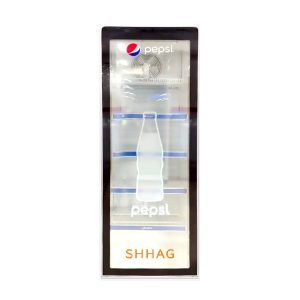

Commercial refrigeration plays an essential role in businesses that store, display, and handle temperature-sensitive products. Supermarkets, restaurants, cafes, hotels, convenience stores, and food distributors all require equipment that supports their daily operations. From chilled beverages to frozen food products, selecting appropriate refrigeration equipment helps businesses organize inventory, maintain suitable storage conditions, and present products professionally.
SHHAG provides commercial refrigeration solutions for businesses seeking practical equipment for different storage and display requirements. By exploring suitable refrigeration options, business owners can identify products that fit their available space, inventory needs, and operational goals.
Improve Product Visibility with Display Refrigerators
Product presentation can influence how customers interact with merchandise in retail environments. Display refrigerators allow businesses to showcase chilled products while keeping them in a designated refrigerated space. Glass doors provide clear visibility, making it easier for customers to identify beverages, dairy products, packaged foods, and other suitable items.
Supermarkets and convenience stores can arrange products by brand or category to create a neat shopping experience. Cafes and restaurants may use display refrigerators to organize bottled drinks and other chilled products near service areas. Keeping shelves organized and glass surfaces clean helps maintain an attractive appearance while making stock checks more convenient.
When selecting a display refrigerator, businesses should consider its capacity, dimensions, shelf arrangement, temperature specifications, and intended location. These factors help ensure that the equipment suits the products being stored and the layout of the facility.
Find Practical Solutions for Beverage Storage
Beverage refrigeration is important for businesses that serve or sell chilled drinks throughout the day. Bars, hotels, cafes, restaurants, and convenience stores may need refrigerators that provide convenient access while keeping beverages visible and organized.
A suitable beverage refrigerator can help employees identify products quickly and replenish stock when needed. Clear product arrangement also allows customers to browse available options more easily in self-service environments. Businesses should evaluate bottle and can sizes, expected demand, available floor space, and the frequency of refrigerator use before choosing a model.
Routine cleaning, temperature monitoring, and regular inspection of door seals can help support proper operation. Following the manufacturer’s maintenance recommendations is also important for keeping refrigeration equipment in suitable working condition.
Plan Efficient Walk-In Cold Storage
Businesses with larger storage requirements may benefit from walk-in cold rooms or freezers. These systems provide dedicated space for storing products in quantities that may exceed the capacity of standard commercial refrigerators.
Restaurants can use cold storage to organize ingredients, while food distributors and supermarkets may require additional space for inventory management. The right configuration depends on the type of products being stored, the required temperature range, available building space, and the movement of staff and goods.
Planning a walk-in storage area involves evaluating dimensions, insulation, door placement, refrigeration capacity, and internal organization. Proper installation and well-fitted components are important considerations, as the performance of a complete cold room depends on more than one individual part.
Businesses should also establish procedures for monitoring temperatures, rotating inventory, cleaning surfaces, and inspecting equipment. These practices support organized storage and help staff identify potential problems promptly.
Consider Commercial Freezers for Frozen Products
Frozen food retailers and food service businesses need equipment designed for their specific storage requirements. Commercial freezers can provide dedicated space for frozen ingredients, packaged meals, desserts, vegetables, and other suitable products.
Glass-door freezer displays can make products visible to customers, while other freezer configurations may prioritize storage capacity and staff access. Choosing between available designs depends on whether the primary objective is retail merchandising, bulk storage, or a combination of both.
Before purchasing, businesses should review the unit’s dimensions, usable capacity, temperature specifications, installation requirements, and maintenance needs. Correct loading practices and appropriate temperature monitoring are important for maintaining suitable conditions for frozen products.
Make Informed Refrigeration Equipment Decisions
Selecting commercial refrigeration equipment requires balancing storage capacity, product visibility, operating requirements, and available space. Businesses should compare product specifications rather than choosing equipment based on appearance alone. Energy consumption, door design, shelf configuration, service access, and manufacturer maintenance guidance are also useful factors to evaluate.
A well-planned refrigeration layout can support smoother daily operations by placing equipment where employees and customers can access it conveniently. Regular cleaning and maintenance help preserve equipment condition, while staff training encourages consistent handling and storage practices.
SHHAG offers a range of commercial refrigeration solutions for businesses exploring equipment for product display, beverage storage, and cold storage applications. Visiting the SHHAG website allows business owners to explore available options and learn more about solutions that may suit their operational requirements.
Whether managing a supermarket, restaurant, cafe, hotel, or food distribution operation, investing in suitable refrigeration equipment can help create an organized and professional environment. With careful planning, appropriate product selection, and consistent maintenance, businesses can support their storage needs while improving product accessibility and everyday workflow.