


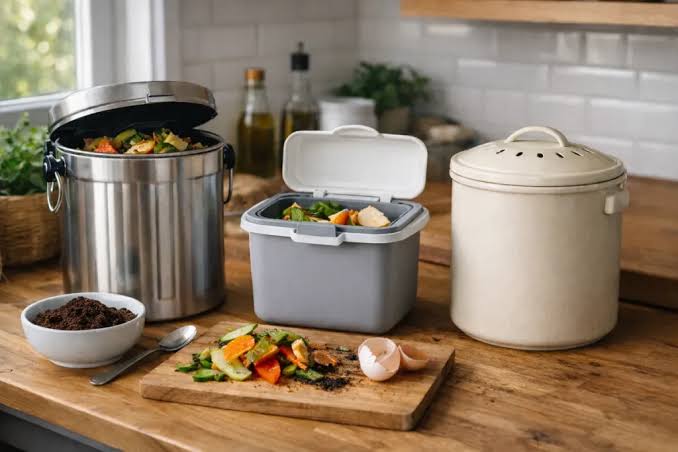

The material that comes out of a kitchen composter looks promising. Dark, dry, and fine-textured, it resembles something between coffee grounds and potting soil. But appearance alone doesn’t answer the question that matters most: is this output ready to go directly into soil, or does it need further processing before plants can benefit from it?
The answer depends on the machine, the mode, and the processing time. Some kitchen composting machines produce biologically active soil amendments that are plant-safe from the moment they come out. Others produce dehydrated, ground food scraps that need additional composting before they’re garden-ready. Knowing which one you have prevents the most common mistake new composters make: applying immature material to plants and watching them struggle instead of thrive.
Here are five at-home tests that tell the story without a lab
Test 1: The Smell Check
Pick up a handful of the output and smell it. Finished, plant-ready material smells like clean earth or has a mild, neutral scent similar to dry soil. If the output smells sour, acidic, or sharp, the organic matter is still actively breaking down. Ammonia-like sharpness points to high nitrogen content that hasn’t stabilized. A vinegar note suggests acidic inputs like citrus that weren’t fully processed.
Neutral or earthy means the material is stable. Anything pungent means it needs more time, either through additional processing in the food recycler or a few weeks of curing in an outdoor compost pile.
Test 2: The Visual Scan
Spread a thin layer of output on a white plate or paper towel. Look for uniformity. Plant-ready material appears as mostly fine, consistent particles without large recognizable food fragments. If you can identify specific foods, like a piece of eggshell that’s still clearly an eggshell or a chunk of vegetable that held its shape, the grinding and breakdown process wasn’t complete.
Small variations in color are normal. A batch heavy on coffee grounds will be darker than one dominated by bread and rice. But visible, intact food fragments mean the output would benefit from another cycle or a longer processing mode.
Test 3: The Moisture Check
Take a handful and squeeze it firmly. The material should feel dry and crumble apart easily when you open your hand. If it clumps together and stays in a ball, there’s too much residual moisture. If it feels damp or sticky, the drying phase didn’t finish completely, likely because the load was heavier or wetter than the machine’s cycle time could handle.
Damp output isn’t ruined. Spread it on a tray in a well-ventilated area for a few hours and let the excess moisture evaporate before storing or applying. But consistently damp batches may indicate that loads need to be lighter or that a longer processing mode would produce better results.
Test 4: The Sealed Bag Test
This is the simplest at-home check for biological stability. Place a handful of output in a clear plastic bag, seal it, and leave it in a warm spot or in sunlight for 24 hours. If the bag puffs up with gas or the material feels warm when you open it, microbial activity is still high. The organic matter is continuing to decompose, which means it would compete with plant roots for nitrogen if applied directly to soil.
Mature, stable output produces minimal gas and stays cool. This test won’t give a laboratory-grade maturity score, but it reliably separates output that’s ready from output that needs more time.
What the Tests Tell You About Your Machine
If the output consistently passes all four checks, your food recycler or composter is producing material that’s ready for direct soil use. If it fails the smell test, the bag test, or the houseplant trial, the machine is likely producing dehydrated scraps rather than a biologically mature soil amendment. That output still has value, but it works best when added to an outdoor compost pile, mixed into a worm bin, or stored until it can undergo further decomposition.
Knowing the difference prevents the frustration of applying output to plants and getting the opposite of the expected result. For anyone new to kitchen composting, a two-minute test before the first garden application saves weeks of wondering why the basil is yellowing or the tomato seedlings stalled.