


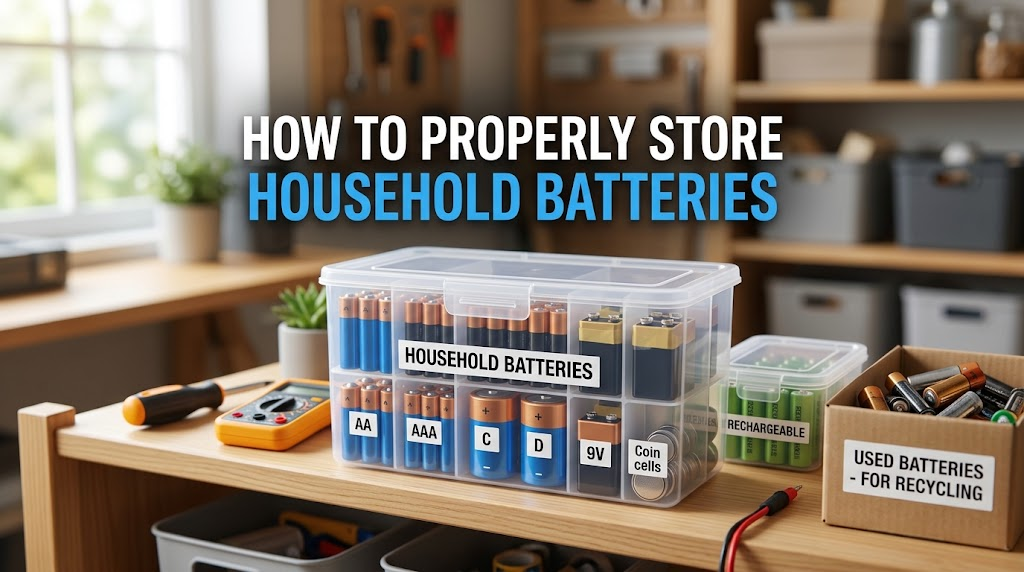

Household batteries are easy to overlook until you need one and discover that it has leaked, lost its charge, or become damaged while sitting in a drawer. Whether you keep AA and AAA batteries for remotes and toys, button cells for small electronics, or rechargeable batteries for everyday devices, proper storage can help preserve their condition and reduce safety risks. A few simple habits can make a noticeable difference in how long your batteries remain usable.
If you regularly purchase batteries from places such as Batteries plus bulbs plano, it is worth taking a little time to store them correctly once you get home. Good storage is not complicated, but it does require attention to temperature, moisture, packaging, and contact with metal objects. Knowing what to do and what to avoid can help you keep your batteries organized, functional, and safer around the home.
Why Proper Battery Storage Matters
Batteries gradually lose their stored energy even when they are not being used. How quickly this happens depends on the battery chemistry, age, storage conditions, and quality. Exposure to excessive heat, moisture, or physical damage can make deterioration happen faster.
Poor storage can also create other problems. Batteries that come into contact with loose metal objects can potentially short-circuit and generate heat. Damaged batteries may leak corrosive material, while rechargeable batteries can present additional risks if they are physically damaged or stored improperly.
Proper storage therefore serves two purposes: it helps protect the batteries and helps protect your household.
Choose a Cool, Dry Storage Location
One of the most important rules for storing household batteries is to keep them in a cool, dry place.
Avoid locations that experience significant temperature changes, such as garages, attics, sheds, or areas directly exposed to sunlight. Extreme heat can accelerate battery deterioration, while moisture can contribute to corrosion and damage.
A bedroom closet, indoor cabinet, or dedicated storage drawer can be a better choice. The area should be away from heaters, radiators, ovens, and other sources of heat.
You do not need to refrigerate ordinary household batteries. In fact, condensation that can occur when cold batteries are removed from a refrigerator may create unnecessary moisture problems.
Keep Batteries in Their Original Packaging
Whenever possible, leave unused batteries in their original packaging until you need them.
Packaging helps protect battery terminals from accidental contact with other batteries or conductive materials. It also makes it easier to identify the battery type, size, manufacturer, and expiration information.
If you buy batteries in bulk, resist the temptation to dump all of them into one container. Keeping them packaged by type and purchase date makes it easier to rotate your supply and find the correct battery when needed.
For loose batteries, consider using a battery organizer with individual compartments. This is especially useful if your household uses several different sizes.
Prevent Batteries From Touching Metal Objects
Loose batteries should never be stored alongside items such as coins, keys, paper clips, nails, or other metal objects.
A battery’s terminals can make contact with conductive materials and create an unwanted electrical path. This can cause the battery to heat up and, depending on the battery type and circumstances, create a safety hazard.
For this reason, a random kitchen drawer filled with batteries and miscellaneous objects is not an ideal storage solution.
Instead, use a dedicated container or organizer that keeps individual batteries separated. Never place loose batteries in a pocket, purse, or bag together with metal objects.
Store Different Battery Types Separately
Not all batteries are the same. Alkaline, lithium, nickel-metal hydride (NiMH), and other battery types have different characteristics and storage requirements.
Keeping different types separated helps prevent confusion and makes it less likely that someone will accidentally use an inappropriate battery for a device.
It is also helpful to separate:
- AA, AAA, C, D, and 9V batteries
- Rechargeable and non-rechargeable batteries
- New and used batteries
- Batteries of different chemistries
- Button and coin-cell batteries
Clear labeling can make your storage system even easier to manage.
Take Extra Care With Rechargeable Batteries
Rechargeable batteries deserve particular attention because they are designed to be charged and reused rather than discarded after one cycle.
If your rechargeable batteries are not going to be used for an extended period, follow the storage recommendations provided by the manufacturer. Some rechargeable battery chemistries should be stored with a partial charge rather than completely full or completely empty.
Keep rechargeable batteries away from excessive heat and inspect them periodically. If a rechargeable battery becomes swollen, cracked, unusually hot, or otherwise damaged, stop using it and follow appropriate battery disposal guidance.
Do not attempt to repair or open a damaged rechargeable battery.
Store Button and Coin Batteries Carefully
Small button and coin batteries require special attention because they are easy to lose and can be dangerous if swallowed.
Keep these batteries in their original packaging whenever possible. Store them in a secure location that is inaccessible to young children and pets.
Avoid leaving loose coin-cell batteries on counters, desks, nightstands, or in easily accessible drawers. Even a single small battery can create a serious hazard if swallowed.
When replacing a button battery, dispose of the old one promptly and safely rather than leaving it lying around.
Check Batteries Before Putting Them Away
Before storing batteries, take a quick look at them.
Do not store batteries that are:
- Swollen or bulging
- Cracked or punctured
- Leaking
- Severely corroded
- Unusually warm
- Showing other signs of physical damage
If you notice leakage, avoid touching the material with bare hands. Keep the damaged battery away from other batteries and household items, and follow local guidance for safe disposal.
A battery that looks damaged is not worth keeping simply because it might still work.
Don’t Mix Old and New Batteries
Mixing partially used batteries with fresh ones can cause problems when they are installed together in the same device. The batteries may discharge at different rates, potentially affecting performance and increasing the possibility of leakage.
For everyday household devices that use multiple batteries, replace the batteries as a set when the manufacturer recommends doing so.
Similarly, avoid mixing batteries from different chemistries or manufacturers unless the device specifically allows it. Always follow the instructions provided for the particular device.
Keep Batteries Away From Heat and Flames
Never store household batteries near open flames, stoves, fireplaces, heaters, or other high-temperature sources.
Heat can negatively affect battery performance and stability. Certain rechargeable batteries can be particularly sensitive to high temperatures.
You should also avoid intentionally heating, crushing, puncturing, or burning batteries. If a battery becomes damaged, treat it as a potential safety concern rather than trying to make it usable again.
Create a Simple Home Battery Storage System
You do not need an elaborate setup to keep batteries organized.
A small plastic organizer with separate compartments can work well. Label each section according to battery size and type. Keep rechargeable batteries separate from disposable batteries and maintain a dedicated space for batteries that are ready for recycling or disposal.
It can also help to follow a simple first-in, first-out approach. Use older batteries before newer ones when they are still within their recommended storage life and have been stored properly.
Check your battery supply occasionally rather than buying more every time you cannot immediately find what you need. An organized storage system can prevent unnecessary purchases and reduce household waste.
What About Storing Batteries in the Refrigerator?
A common battery-storage myth is that refrigeration automatically makes batteries last longer.
For most modern household batteries, refrigeration is unnecessary. A normal indoor environment that is cool, dry, and away from direct sunlight is generally more practical.
Moving batteries repeatedly between cold and warm environments can also introduce condensation. Rather than relying on refrigeration, focus on stable storage conditions and follow the manufacturer’s recommendations for the specific battery.
Keep Battery Safety in Mind
Proper storage is only one part of battery safety. Pay attention to how batteries are installed and used as well.
Always follow the polarity markings in the device. Do not force a battery into a compartment or use a battery that does not match the manufacturer’s specifications.
If a device will not be used for a long period, check its instructions to determine whether the batteries should be removed. Leaving batteries inside unused equipment for extended periods can increase the risk of leakage and damage.
Dispose of Old Batteries Responsibly
Batteries should not automatically be thrown into household trash. Disposal requirements vary depending on the battery type and local regulations.
Many communities and retailers provide battery recycling or collection programs. Check local waste-management guidance to determine the appropriate option for the batteries you have.
Before recycling or disposing of certain batteries, follow the manufacturer’s or recycling program’s instructions. Some battery types may require special handling, and terminals on certain batteries may need to be protected against accidental contact.
Conclusion
Properly storing household batteries is a small household task that can prevent unnecessary waste and reduce avoidable safety risks. Keep batteries in a cool, dry location, protect them from metal objects and heat, separate different types, and regularly check for damage or leakage. Pay particular attention to rechargeable, button, and coin-cell batteries, and always follow manufacturer instructions when they differ from general storage advice. If you need help finding suitable batteries or dealing with battery-related issues, Battery Rescue LLC can also be a useful resource for battery solutions and guidance. With a simple, organized storage routine, you can keep your household batteries easier to find and ready to use when you need them.
Frequently Asked Questions
How long can household batteries be stored?
The storage life varies by battery chemistry, manufacturer, and environmental conditions. Check the expiration or best-before information on the packaging and store batteries according to the manufacturer’s recommendations.
Should batteries be stored loose or packaged?
Keeping batteries in their original packaging is generally preferable. If that is not possible, use an organizer that prevents the terminals from contacting one another or metal objects.
Is it safe to store batteries in a kitchen drawer?
It depends on the drawer and what is stored inside it. A dedicated drawer that is cool, dry, and free of loose metal objects can work, but a drawer filled with utensils, coins, or other conductive objects is not ideal.
What should I do with a leaking battery?
Avoid direct contact with the leaked material. Isolate the battery from other household items and follow the manufacturer’s and local waste-management guidance for safe cleanup and disposal.