


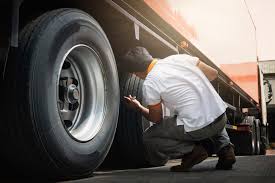

Keeping trucks rolling is the only way money comes in. For many fleet owners and operators, every hour a truck sits broken down means missed loads, angry customers, and drivers stuck waiting around. That’s why more trucking companies are turning to on-site mechanics as part of their fleet maintenance service strategy. Instead of relying only on shop appointments or mobile emergency repairs, on-site maintenance brings technicians directly to your terminal, yard, or job site. Done right, it cuts downtime dramatically and helps fleets stay productive without blowing the maintenance budget.
Why Downtime Hurts More Than Most Think
Ask any owner-operator, fleet manager, or small carrier president, and they’ll say the same thing: downtime kills margins. Whether you run five trucks or fifty, downtime means loads missed, rescheduling headaches, and frustrated brokers. Add in today’s tight delivery windows and driver retention challenges, and the cost climbs fast.
Downtime is rarely just a breakdown problem. It’s a planning and logistics problem, too. Waiting for a tow, calling local shops, juggling dispatch schedules, and trying to keep drivers informed eats up back-office time most fleets can’t spare. On-site mechanics help erase those delays by keeping repairs and preventive maintenance where trucks already are. That means fewer unexpected stops and more control over scheduling.
The Weak Link in Traditional Shop-Only Maintenance
Most fleets rely on a mix of scheduled shop repairs and emergency service when something breaks. That process works, but it has weak spots:
- Travel and scheduling delays: Waiting for a shop slot or transporting trucks to a shop wastes time.
- Limited flexibility: Shops operate on their own timeline, not yours.
- Drivers sitting idle: A truck parked at a shop is a driver not earning.
- Parking logistics: Tight yards and city operations make moving trucks a chore.
For small fleets running on razor-thin margins, these inefficiencies add up fast. Traditional shop models aren’t going away, but the pressure of tight schedules and rising operating costs makes alternatives more appealing.
On-Site Mechanics: What “Maintenance Where You Park” Really Means
On-site mechanics, either a dedicated tech or a contracted mobile team, handle maintenance, inspections, and light repairs directly at your terminal, job site, or distribution yard. Instead of stopping operations to move equipment, the service comes to you.
Typical services include:
- PM inspections
- Routine service intervals
- Brake, suspension, and light mechanical repairs
- Filter and fluid replacements
- Electrical diagnostics
- DOT compliance checks
- Pre-trip and safety inspections
That list covers many of the tasks that usually force a truck off-site. By completing repairs during scheduled downtime at night or between dispatches, fleets maximize uptime and reduce surprises on the highway.
Why This Matters for the Modern Logistics Hustler
Most fleet decision-makers didn’t grow up behind a desk. They know breakdowns personally. They know how it feels to miss a delivery and lose a customer relationship. They also know every dollar saved on maintenance goes straight to profit.
On-site maintenance supports core priorities for businesses built on hustle:
- Faster turnaround – trucks go out sooner
- Lower operating cost – shrink emergency repair spend
- Better scheduling control – maintenance fits your routes
- Driver satisfaction – no wasted hours waiting on repairs
- Less paperwork – fewer shop invoices and repair authorizations
Owner-operators and managers who wear multiple hats appreciate that on-site mechanics free up time and simplify daily decisions. It’s one less thing to juggle between dispatching, customer calls, driver issues, billing, and compliance.
How On-Site Mechanics Reduce Downtime
On-site maintenance is more than convenience. It directly attacks downtime and delays through predictable processes:
1. Preventive Maintenance Instead of Breakdowns
Catching issues early reduces road failures, tow bills, and after-hours repairs that pile up costs fast. By inspecting trucks on your lot, mechanics see real-world conditions like load weight patterns, parking layout, and usage habits that shops miss.
2. Reduced Lead Time for Repairs
Instead of scheduling days ahead, on-site teams often perform repairs the same day or the next day. That speed keeps trucks productive without added admin work.
3. Lower Driver Idling
Drivers don’t have to spend hours transporting trucks for service, waiting in line, or sitting inside a shop lobby. This improves morale and helps keep good drivers.
4. Smarter Parts Planning
On-site techs learn your fleet’s patterns and can stock the right parts ahead of time. That prevents delays while waiting for deliveries or approvals.
5. Avoiding Tow Bills and After-Hours Fees
A repair done at your yard avoids expensive towing or overtime labor for emergency visits. That alone can justify the model for small fleets.
Making On-Site Mechanics Work for Your Fleet
Rolling out on-site repairs doesn’t require complicated technology or major investment. It takes organization and choosing the right partner.
Here’s what fleets should evaluate:
- Response time and availability
- Experience with your truck brands and equipment
- Ability to integrate inspections and recordkeeping
- Maintenance program tracking
- After-hours or weekend scheduling options
- Pricing transparency
Most Logistics Hustlers prefer predictable monthly expenses. Many on-site mechanic providers offer scheduled programs that spread costs evenly across billing cycles.
Combining Shop and On-Site Services
On-site mechanics work best as part of a broader maintenance plan. Heavy repairs, engine rebuilds, or major body work still need shop bays. But routine maintenance, inspections, and minor repairs shouldn’t shut trucks down for hours or days.
A hybrid strategy gives fleets:
- Shop repairs for major work
- Yard repairs for routine issues
- Emergency support only when truly needed
This approach squeezes downtime costs and keeps fleets competitive against larger carriers with dedicated maintenance departments.
The Competitive Advantage
Small and mid-size fleets fight hard against the pricing leverage of mega-carriers. Any edge that boosts uptime strengthens customer trust, revenue consistency, and driver retention. On-site mechanics are one of those quiet advantages that compound over time.
When trucks stay on the road, small fleets keep customers happy, earn referrals, and avoid penalties for late deliveries. Drivers stay loyal when paychecks don’t shrink from idle downtime. Dispatchers and managers feel less daily chaos. Most importantly, maintenance shifts from reacting to planning something every Logistics Hustler knows matters long-term.
Final Thoughts: Keeping Trucks Rolling Starts Where They Park
Fleets don’t slow down because trucks fail. They slow down because maintenance and repairs interrupt operations. On-site mechanics minimize those interruptions by handling work at your location, during your schedule, with predictable pricing and faster turnaround. For many small and mid-sized carriers, this approach delivers a reliable, real-world advantage. As more companies rethink maintenance, the value of building an on-site program as part of a fleet maintenance service becomes clear. For fleets focused on uptime, customer relationships, and long-term cost control, on-site mechanics are a smart move, one more tool to help logistics-minded leaders stay competitive and profitable.
By bringing repairs to where trucks actually live, fleets reduce headaches, eliminate unnecessary downtime, and keep assets earning on the highway. It’s a practical way to maintain control over schedules, expenses, and workflow. And when keeping trucks running becomes predictable instead of stressful, that’s when the investment in fleet maintenance service shows its strongest return.