


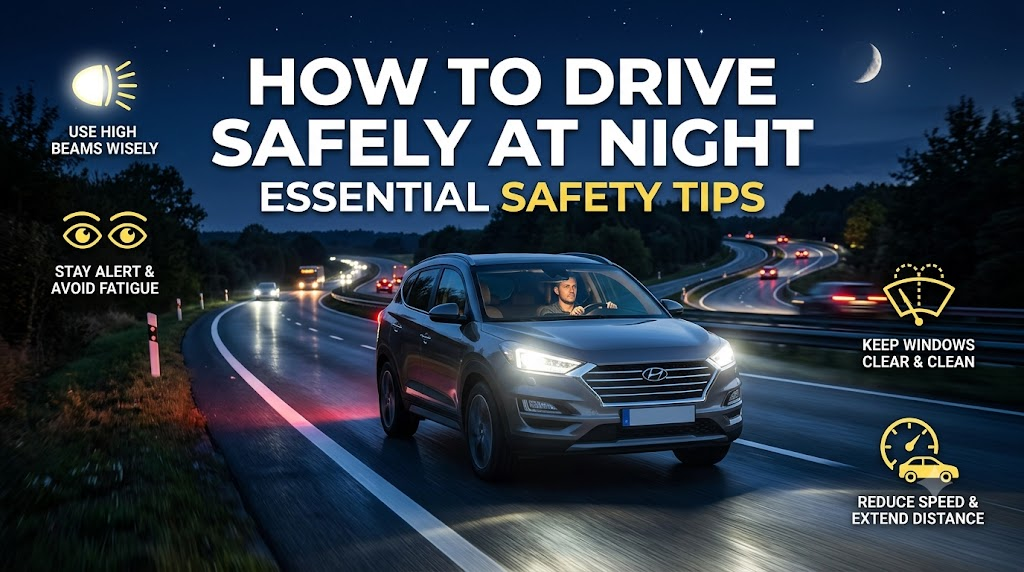

Driving at night can be more challenging than driving during the day because reduced visibility, glare from headlights, fatigue, and unexpected road hazards can increase the risk of accidents. Whether you are a new driver or an experienced motorist, learning proper nighttime driving techniques through a trusted Driving school in Vancouver can help you build confidence and develop safer driving habits.
Why Is Night Driving More Difficult?
Nighttime driving presents several challenges that are less common during daylight hours. Darkness makes it harder to see pedestrians, cyclists, road signs, animals, and objects on the road. Bright headlights from oncoming vehicles can also temporarily affect your vision, while poorly lit roads may make it difficult to judge distances and curves.
Fatigue is another major concern. Driving late at night when you are tired can reduce concentration, slow reaction times, and make it harder to respond to sudden situations. For these reasons, drivers should take extra precautions whenever they are behind the wheel after dark.
1. Keep Your Headlights Clean and Properly Adjusted
Your headlights play an essential role in nighttime visibility. Dirty, cloudy, or incorrectly aligned headlights can reduce how well you see the road and may make it harder for other drivers to see you.
Before driving at night, check that your headlights, brake lights, turn signals, and taillights are working properly. Clean the headlight covers regularly and have them inspected if the light appears unusually weak or points in the wrong direction.
2. Reduce Your Speed When Visibility Is Limited
One of the simplest ways to improve nighttime safety is to adjust your speed to the conditions. Even if you are driving within the posted speed limit, slowing down may be appropriate when the road is poorly lit, wet, unfamiliar, or crowded.
A lower speed gives you more time to identify hazards and react safely. Always leave enough distance between your vehicle and the car ahead, particularly on roads where visibility is limited.
3. Use High Beams Responsibly
High beams can improve visibility on dark roads, but they should be used carefully. Use them when appropriate on roads with little or no lighting, and switch to low beams when approaching oncoming traffic or following another vehicle.
If an approaching vehicle’s headlights are too bright, avoid staring directly at them. Instead, focus toward the right side of your lane while maintaining control of your vehicle.
4. Keep Your Windshield Clean
A dirty windshield can become especially problematic at night. Dust, fingerprints, moisture, and streaks can scatter light from headlights and streetlights, creating glare and reducing visibility.
Clean both the inside and outside of your windshield regularly. Make sure your windshield wipers are also in good condition so they can effectively clear rain and moisture.
5. Watch Carefully for Pedestrians and Cyclists
Pedestrians and cyclists can be harder to see after sunset, particularly on roads without adequate street lighting. Slow down near intersections, residential areas, crossings, schools, and other locations where people may be walking or cycling.
Avoid assuming that pedestrians can see you simply because your headlights are on. Stay alert and be prepared to stop when visibility is poor.
6. Avoid Driving When You Are Extremely Tired
Fatigue can significantly affect your ability to drive safely. If you are struggling to keep your eyes open, frequently yawning, losing concentration, or having difficulty remembering the last few minutes of your journey, you should not continue driving.
If possible, take a break in a safe location and rest before continuing. For longer nighttime journeys, plan regular breaks and avoid starting a trip when you are already exhausted.
7. Maintain a Safe Following Distance
It can take longer to recognize hazards at night, so maintaining a safe following distance is particularly important. Leaving additional space between your vehicle and the vehicle ahead gives you more time to react if the driver brakes suddenly.
Avoid tailgating, even in slow-moving traffic. A greater following distance also helps reduce the effect of glare from another vehicle’s taillights.
8. Be Extra Careful in Bad Weather
Rain, fog, snow, and other adverse weather conditions can make nighttime driving considerably more difficult. Wet roads can reflect headlights and streetlights, while fog can severely reduce visibility.
In poor weather, reduce your speed, increase your following distance, and use the appropriate vehicle lights. Avoid using high beams in dense fog because they can reflect off water droplets and make visibility worse.
9. Stay Focused and Minimize Distractions
Night driving requires your full attention. Using a phone, adjusting the navigation system, eating, or engaging in other distracting activities can take your eyes and attention away from the road.
Set your navigation before starting your journey and keep your phone out of reach. If you need to make a call, change your route, or deal with another distraction, pull over somewhere safe first.
10. Know the Road Before You Travel
Planning your route before leaving can make nighttime driving easier, especially if you are traveling somewhere unfamiliar. Check the route, identify major intersections, and understand where you may encounter poorly lit roads or complex turns.
Navigation apps can be useful, but drivers should not rely on them blindly. Continue paying attention to road signs, lane markings, traffic signals, and changing road conditions.
11. Check Your Vehicle Before Driving at Night
A basic vehicle inspection can help prevent avoidable problems during a nighttime journey. Check your tires, lights, mirrors, windshield, brakes, and fuel level before leaving.
If your vehicle develops a mechanical problem at night, move to a safe location if possible and use your hazard lights to make the vehicle more visible to other road users.
Final Thoughts
Learning how to drive safely at night is an important part of becoming a responsible and confident driver. Good visibility, appropriate speed, proper use of headlights, safe following distances, and careful attention to fatigue can make nighttime journeys considerably safer. For learners who want structured guidance and practical experience, Benche Driving school can help develop the skills and confidence needed to handle different driving conditions responsibly.
Remember that safe driving is not only about controlling the vehicle; it is also about anticipating hazards and adapting to changing conditions. By developing these habits and practicing them consistently, drivers can reduce risks and feel more prepared whenever they need to drive after dark.
Frequently Asked Questions About Night Driving
What is the most important rule for driving at night?
The most important rule is to drive according to visibility and road conditions rather than simply relying on the posted speed limit. Reduce your speed when visibility is poor and maintain enough following distance to react safely.
How can I reduce glare from headlights at night?
Keep your windshield clean, avoid looking directly at oncoming headlights, and focus toward the right side of your lane when necessary. Properly adjusted mirrors can also help reduce unnecessary glare.
Should I use high beams when driving at night?
High beams can be useful on dark roads when there is no nearby traffic. However, switch to low beams when approaching oncoming vehicles or following another vehicle to avoid blinding other drivers.
Is it safe to drive when feeling tired at night?
Driving while extremely tired is unsafe because fatigue can reduce concentration and reaction time. If you feel too tired to drive, stop somewhere safe and rest before continuing.
How can new drivers become more comfortable driving at night?
New drivers can build confidence by practicing gradually on familiar, well-lit roads before moving to darker or busier routes. Professional driving instruction can also help drivers develop better observation, speed control, hazard awareness, and nighttime driving habits.