


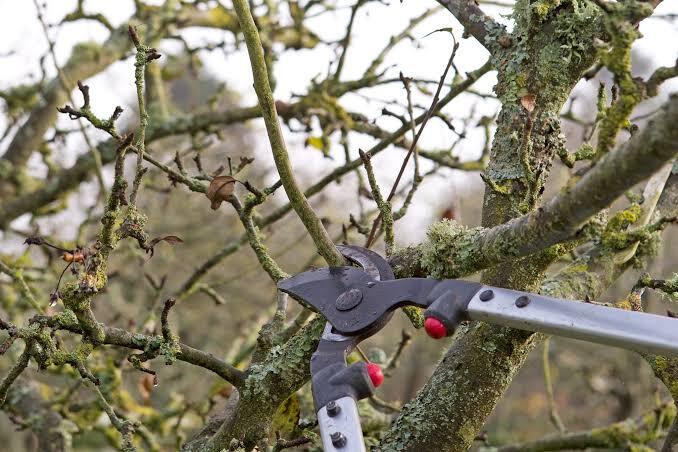

Trees add beauty, shade, and value to any property. They create a peaceful outdoor environment, improve air quality, and provide shelter for wildlife. However, even healthy trees require regular care to stay strong and safe. One important part of tree maintenance is removing dead branches.
Dead branches may seem harmless, but they can create several problems if left on a tree for too long. They become weak over time, increasing the risk of falling, spreading disease, attracting insects, and affecting the tree’s overall health. Removing dead branches is one of the simplest ways to improve tree safety and encourage healthy growth.
This guide explains the benefits of removing dead tree branches, how to recognize deadwood, and why regular maintenance is important for protecting both your trees and your property.
What Are Dead Tree Branches?
Dead tree branches are limbs that no longer receive water or nutrients from the tree. Once a branch dies, it cannot recover or produce new leaves.
Dead branches may develop because of:
- Natural aging
- Storm damage
- Disease
- Drought
- Insect infestations
- Root damage
- Physical injury
Over time, these branches become dry, brittle, and more likely to break.
Why Dead Branches Should Not Be Ignored
Many homeowners leave dead branches on a tree because the rest of the tree appears healthy. However, dead branches continue to weaken and eventually become a safety hazard.
Ignoring dead branches can lead to:
- Falling limbs
- Property damage
- Personal injuries
- Pest infestations
- Tree diseases
- Reduced tree health
Removing dead branches early helps prevent these problems.
Improves Tree Safety
One of the biggest benefits of removing dead branches is improved safety.
Dead limbs become weak and brittle. Even a small amount of wind may cause them to break unexpectedly.
Falling branches can damage:
- Homes
- Vehicles
- Roofs
- Fences
- Outdoor furniture
- Play equipment
Large branches may also cause serious injuries if people are nearby.
Routine removal greatly reduces these risks.
Reduces Storm Damage
Storms place extra stress on trees.
Dead branches are often the first parts of a tree to break during heavy rain or strong winds.
Removing weak branches before storm season helps reduce:
- Broken roofs
- Damaged vehicles
- Fallen fences
- Blocked driveways
- Emergency tree failures
Healthy trees are generally more stable during severe weather.
Protects Your Home
Branches hanging over a house can become dangerous after they die.
They may damage:
- Roof shingles
- Gutters
- Windows
- Siding
- Decks
Regular maintenance helps prevent costly repairs caused by falling branches.
Keeps Walkways Safe
Dead branches hanging above sidewalks, patios, and driveways create unnecessary hazards.
Removing them makes outdoor areas safer for:
- Family members
- Visitors
- Children
- Pets
Safe outdoor spaces allow everyone to enjoy the yard with greater confidence.
Improves Tree Health
Dead branches no longer contribute to healthy growth.
Removing them allows the tree to use its energy more efficiently.
Instead of supporting damaged wood, nutrients can be directed toward:
- Healthy branches
- New leaves
- Strong roots
- Fresh growth
This helps improve the tree’s overall condition.
Helps Prevent Disease
Dead wood often becomes the first place where disease develops.
Fungi and bacteria may spread from dead branches into healthy parts of the tree.
Removing affected branches early reduces the risk of disease spreading throughout the canopy.
Healthy trees are naturally better able to resist infections.
Reduces Pest Problems
Dead branches attract insects searching for food and shelter.
Common pests include:
- Carpenter ants
- Beetles
- Wood borers
- Termites
These insects may eventually spread into healthy trees or nearby wooden structures.
Removing dead branches makes your landscape less attractive to pests.
Improves Air Circulation
Dense canopies containing dead branches often trap moisture.
Poor airflow creates conditions where fungal diseases grow more easily.
Removing dead branches allows fresh air to circulate throughout the canopy.
Better airflow supports healthier leaves and branches.
Increases Sunlight Exposure
Healthy trees need sunlight to produce energy.
Dead branches sometimes block sunlight from reaching healthy leaves inside the canopy.
Removing unnecessary branches allows more sunlight to reach:
- Healthy limbs
- New growth
- Grass
- Flower beds
- Garden plants
Better sunlight encourages stronger plant growth throughout the landscape.
Strengthens Tree Structure
Dead branches add unnecessary weight to the canopy.
As they weaken, they place additional stress on healthy limbs.
Removing them improves balance and strengthens the tree’s overall structure.
Balanced trees are generally more resistant to storm damage.
Improves Tree Appearance
Dead branches often make trees look neglected.
Removing them improves:
- Tree shape
- Canopy balance
- Overall appearance
Healthy trees create a cleaner and more attractive landscape.
Makes Yard Maintenance Easier
Low dead branches can interfere with everyday yard work.
Removing them provides more space for:
- Lawn mowing
- Gardening
- Landscaping
- Walking
- Outdoor activities
A well-maintained yard is easier to care for throughout the year.
Helps Trees Recover After Storms
Storms frequently leave behind damaged branches.
Removing broken or dead limbs after severe weather helps reduce additional stress on the tree.
Healthy branches recover more effectively once damaged wood has been removed.
Supports Long-Term Tree Growth
Trees that receive regular maintenance often remain healthier for many years.
Dead branch removal helps:
- Reduce stress
- Improve nutrient flow
- Encourage healthy growth
- Strengthen branch development
Healthy trees continue providing shade and beauty for decades.
Prevents Unexpected Branch Failure
Dead branches become weaker every day.
Eventually they may fall because of:
- Wind
- Rain
- Heavy leaves
- Their own weight
Routine inspections help identify these hazards before accidents occur.
Helps Protect Nearby Trees
Some tree diseases spread from one tree to another.
Removing diseased dead branches early helps reduce the chance of infections spreading throughout your landscape.
Healthy trees benefit from early maintenance.
When Should Dead Branches Be Removed?
Dead branches should be removed as soon as they are discovered.
Unlike seasonal pruning, dead branch removal is appropriate throughout the year.
Immediate removal is recommended when branches are:
- Hanging
- Cracked
- Above buildings
- Over sidewalks
- Near driveways
- Damaged after storms
Prompt action helps improve safety.
Signs Your Tree Has Dead Branches
Watch for these warning signs:
- No leaves on certain branches
- Dry wood
- Cracked limbs
- Peeling bark
- Hanging branches
- Dead twigs
- Fungal growth
- Branches breaking easily
Regular inspections help identify problems before they become serious.
Benefits of Regular Dead Branch Removal
Routine maintenance provides many advantages.
These include:
- Improved safety
- Better tree health
- Reduced disease
- Fewer pests
- Stronger structure
- Better airflow
- Increased sunlight
- Less storm damage
- Improved appearance
- Longer tree lifespan
Consistent tree care protects both your landscape and your investment.
Plam Beach Arbor South Florida provides professional tree care services to safely remove dead branches and help homeowners maintain healthier and safer trees throughout the year.
Frequently Asked Questions
Why should dead tree branches be removed?
Dead branches become weak over time and may fall without warning. Removing them helps improve safety, tree health, and the overall appearance of the tree.
Can dead branches damage property?
Yes. Dead branches may fall onto homes, vehicles, fences, roofs, or outdoor furniture, especially during storms.
Does removing dead branches help tree health?
Yes. Removing dead branches allows the tree to direct water and nutrients toward healthy growth while reducing disease and pest problems.
How often should trees be inspected?
Trees should be inspected at least once a year and after major storms to identify dead or damaged branches.
Can dead branches attract insects?
Yes. Dead wood often attracts carpenter ants, beetles, termites, and other insects that may eventually spread to healthy trees or nearby structures.
Final Thoughts
Removing dead tree branches is one of the most important steps in keeping trees healthy and safe. Dead branches weaken over time, increasing the risk of falling limbs, pest infestations, and disease. Regular removal improves tree structure, encourages healthy growth, protects nearby property, and helps trees withstand storms more effectively.
By inspecting your trees regularly and removing dead branches as soon as they appear, you can enjoy a safer yard, healthier trees, and a more attractive landscape for many years to come.