


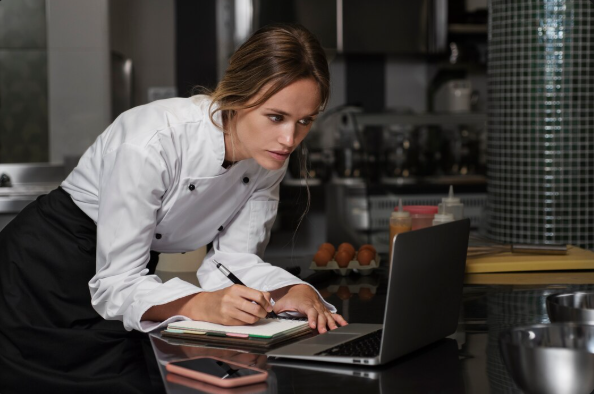

The restaurant industry is evolving faster than ever, and technology is leading the transformation. As customer expectations continue to grow, restaurants are turning to smarter, faster, and more efficient digital tools to stay competitive. From AI-powered ordering systems to cloud-based management platforms, restaurant software solutions are becoming essential for businesses of every size.
In 2026, restaurant owners are no longer investing in software simply to process orders or manage inventory. They are adopting comprehensive platforms that improve customer experiences, increase operational efficiency, reduce costs, and support data-driven decision-making.
Whether you own a small café, a quick-service restaurant, or a multi-location dining chain, understanding the latest restaurant software trends can help your business prepare for the future.
In this article, we’ll explore the top technology trends shaping restaurant software solutions in 2026 and explain why embracing innovation is crucial for long-term success.
Why Restaurant Software Solutions Matter More Than Ever
Modern restaurants face numerous challenges, including labor shortages, rising food costs, changing customer preferences, and increased competition. Restaurant software solutions simplify daily operations by automating repetitive tasks and providing real-time business insights.
Today’s software can help restaurants:
- Manage online and in-store orders
- Track inventory automatically
- Schedule employees efficiently
- Process secure payments
- Analyze business performance
- Improve customer loyalty
- Reduce food waste
- Optimize delivery operations
As technology advances, these capabilities continue to become smarter and more connected.
1. Artificial Intelligence Will Become a Core Feature
Artificial Intelligence (AI) is one of the biggest innovations transforming restaurant software solutions in 2026.
Rather than replacing employees, AI supports staff by automating routine tasks and improving decision-making.
AI-powered features include:
- Predicting customer demand
- Recommending menu items
- Dynamic pricing strategies
- Automated customer support
- Smart inventory forecasting
- Personalized marketing campaigns
For example, AI can analyze previous sales data, weather forecasts, holidays, and local events to estimate how much inventory a restaurant should order.
This minimizes waste while ensuring popular menu items remain available.
2. Cloud-Based Restaurant Management Will Continue to Expand
Cloud technology has already become popular, but in 2026 it is becoming the standard.
Cloud-based restaurant software allows managers to access business information from anywhere using smartphones, tablets, or computers.
Benefits include:
- Automatic software updates
- Remote business monitoring
- Secure data backups
- Multi-location management
- Real-time reporting
- Lower hardware costs
Restaurant owners can easily monitor daily sales, employee performance, and inventory levels even when they are away from the restaurant.
3. Contactless Ordering Will Continue to Grow
Customers increasingly prefer convenience and speed.
Restaurant software solutions now integrate multiple contactless ordering methods, including:
- QR code menus
- Mobile ordering
- Self-service kiosks
- Table-side ordering
- Digital payment systems
These technologies reduce wait times while improving order accuracy.
Restaurants also benefit from reduced labor demands and faster table turnover.
4. Smart Inventory Management Using Automation
Inventory management has traditionally been one of the most time-consuming restaurant tasks.
Modern restaurant software now automates much of this process.
Key capabilities include:
- Real-time inventory tracking
- Automatic ingredient deduction after each sale
- Low-stock alerts
- Supplier management
- Purchase order automation
- Waste tracking
This automation reduces human error while preventing over-ordering and food shortages.
Restaurants save both time and money.
5. Integrated Online Ordering Platforms
Online ordering continues to generate a significant portion of restaurant revenue.
Instead of relying on separate systems, restaurants are investing in software that combines:
- Website ordering
- Mobile app ordering
- Delivery management
- Pickup scheduling
- Third-party delivery integrations
- Payment processing
Centralized ordering reduces confusion while ensuring every order enters a single management system.
This creates a smoother experience for both customers and employees.
6. Data Analytics Will Drive Smarter Business Decisions
Successful restaurants increasingly rely on data rather than guesswork.
Restaurant software solutions now provide detailed dashboards showing:
- Daily sales
- Best-selling menu items
- Peak business hours
- Customer preferences
- Employee productivity
- Profit margins
- Inventory costs
These insights help owners identify opportunities to improve operations and increase profitability.
For example, if sales reports reveal that certain menu items rarely sell, restaurants can remove them to reduce food waste.
7. Employee Management Will Become More Automated
Labor management remains one of the biggest expenses in the restaurant industry.
Restaurant software in 2026 offers advanced workforce management tools, including:
- Staff scheduling
- Attendance tracking
- Payroll integration
- Shift swapping
- Performance monitoring
- Labor cost forecasting
Managers spend less time creating schedules while employees enjoy greater flexibility.
Automated scheduling also helps reduce overtime costs.
8. Customer Loyalty Programs Will Become More Personalized
Traditional loyalty cards are rapidly being replaced by digital customer engagement platforms.
Restaurant software solutions now collect valuable customer information, including:
- Favorite meals
- Ordering frequency
- Spending habits
- Birthday rewards
- Dining preferences
Using this information, restaurants create personalized promotions that encourage repeat visits.
Examples include:
- Personalized discount offers
- Reward points
- Birthday coupons
- Exclusive promotions
- VIP membership benefits
Personalization improves customer satisfaction and long-term loyalty.
9. Voice Technology Will Gain Popularity
Voice ordering is becoming more common across restaurants.
Restaurant software can now integrate with voice assistants and AI-powered phone systems.
Applications include:
- Phone order automation
- Voice-enabled drive-thru systems
- Kitchen communication
- Customer support
Voice AI reduces waiting times while allowing employees to focus on food preparation and customer service.
10. Kitchen Display Systems Will Replace Paper Tickets
Paper order tickets are quickly disappearing.
Kitchen Display Systems (KDS) are becoming an essential part of modern restaurant software.
Benefits include:
- Faster communication
- Improved order accuracy
- Real-time kitchen updates
- Reduced paper waste
- Better coordination between staff
Kitchen employees can instantly see incoming orders and prioritize preparation based on delivery time or customer wait time.
11. Better Cybersecurity Will Become Essential
Restaurants process thousands of customer payments every year.
Protecting financial information has become a top priority.
Modern restaurant software solutions now include:
- Secure payment gateways
- Data encryption
- Multi-factor authentication
- Cloud security
- User permission controls
- Fraud detection
Strong cybersecurity protects customer trust while helping restaurants comply with data protection regulations.
12. Sustainability Features Will Become Standard
Environmental responsibility continues to influence restaurant operations.
Restaurant software now supports sustainability by helping businesses:
- Reduce food waste
- Monitor energy consumption
- Track ingredient usage
- Optimize purchasing
- Improve recycling processes
Many software providers now include waste reports that identify which ingredients are frequently discarded.
Restaurants can adjust purchasing accordingly.
13. Multi-Location Management Will Become Easier
Restaurant chains require centralized management.
Modern restaurant software solutions allow owners to manage multiple branches through one platform.
Features include:
- Centralized reporting
- Unified inventory management
- Standardized menus
- Employee transfers
- Location comparisons
- Central purchasing
Managers gain complete visibility across all locations while maintaining consistent operations.
14. Mobile Management Will Continue Expanding
Restaurant owners no longer need to remain inside their businesses to manage operations.
Mobile applications allow owners to:
- View live sales
- Monitor inventory
- Approve employee schedules
- Receive business alerts
- Review customer feedback
- Track deliveries
Mobile accessibility improves flexibility while allowing faster decision-making.
15. API Integrations Will Connect Every Business Tool
Restaurants increasingly use multiple digital services.
Modern restaurant software connects seamlessly with:
- Accounting software
- Payroll systems
- Delivery platforms
- Marketing tools
- CRM software
- Payment providers
Integrated systems eliminate duplicate data entry and improve workflow efficiency.
Everything works together within one connected ecosystem.
Benefits of Adopting Modern Restaurant Software Solutions
Restaurants that invest in advanced software enjoy numerous competitive advantages.
These include:
- Faster service
- Better customer experiences
- Lower operating costs
- Reduced food waste
- Improved employee productivity
- Accurate financial reporting
- Smarter inventory management
- Increased revenue opportunities
- Enhanced customer loyalty
- Better business scalability
Technology helps restaurants adapt to changing customer expectations while improving profitability.
How to Choose the Right Restaurant Software in 2026
Not every restaurant has identical requirements.
When selecting restaurant software solutions, consider the following factors:
Ease of Use
Choose software that employees can learn quickly without extensive training.
Scalability
Select a system capable of supporting future business growth.
Integration Options
Ensure it connects with your existing POS, accounting, payroll, and delivery platforms.
Security
Look for software with strong data protection and secure payment processing.
Customer Support
Reliable technical support minimizes downtime and keeps operations running smoothly.
Customization
Choose a platform that allows menu changes, pricing updates, loyalty programs, and reporting customization.
Reporting Features
Comprehensive reports provide valuable insights for making informed business decisions.
Challenges Restaurants May Face During Digital Transformation
Although technology offers significant benefits, implementing new restaurant software also presents challenges.
Common obstacles include:
- Initial implementation costs
- Employee training
- Data migration
- System integration
- Internet dependency
- Cybersecurity risks
Proper planning and selecting the right software provider can minimize these issues.
Training staff before launching a new system also improves adoption and reduces operational disruptions.
The Future Looks Smarter Than Ever
Restaurant technology will continue advancing beyond 2026.
Future innovations may include:
- AI-powered robotic kitchen assistants
- Predictive menu engineering
- Fully automated drive-thru operations
- Augmented reality dining experiences
- Blockchain supply chain tracking
- Advanced customer behavior analytics
Restaurants that embrace innovation early will be better positioned to meet changing customer expectations and remain competitive in a rapidly evolving market.
Conclusion
The future of restaurant software solutions is driven by intelligence, automation, and seamless connectivity. In 2026, restaurants are leveraging advanced technologies such as artificial intelligence, cloud computing, automated inventory management, personalized loyalty programs, contactless ordering, and real-time analytics to improve efficiency and enhance customer experiences.
These modern software solutions do far more than simplify day-to-day operations—they empower restaurant owners to make informed decisions, optimize costs, strengthen customer relationships, and scale their businesses with confidence. As competition continues to increase, adopting the right technology is no longer a luxury but a necessity for long-term success.
Whether you operate a single neighborhood café or manage a growing restaurant chain, investing in a future-ready restaurant software solution can help streamline workflows, boost profitability, and prepare your business for the demands of tomorrow. By staying informed about emerging trends and embracing digital innovation, restaurants can build a more resilient, efficient, and customer-focused operation that thrives well beyond 2026.